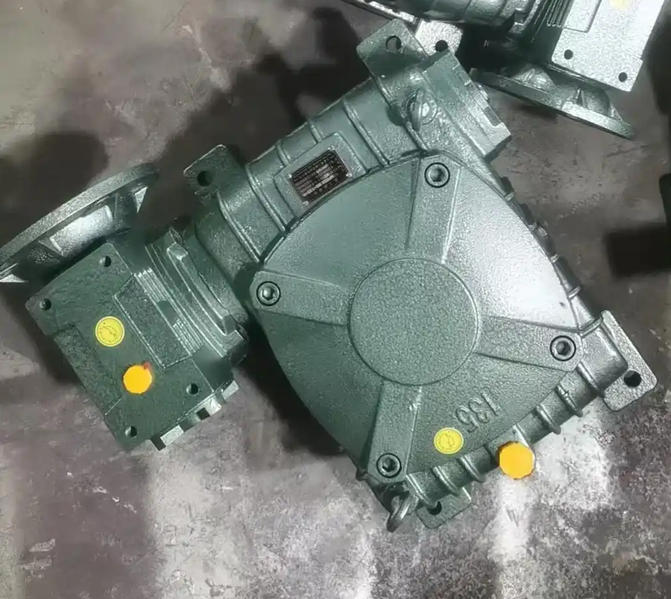

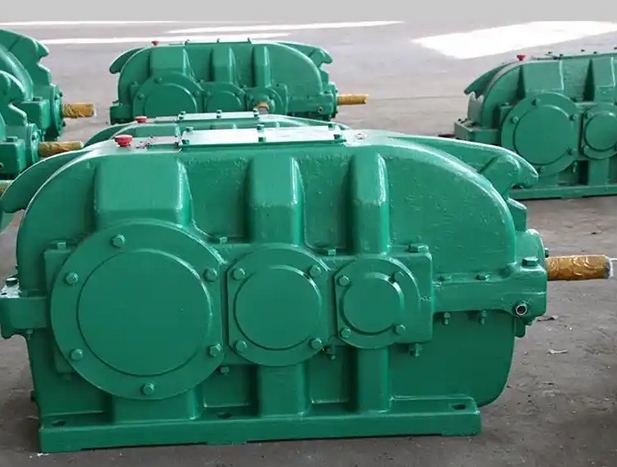
What problems can abnormal input speed of ZDY80-4-1 gear reducer cause
ZDY80-4-1 belongs to a hard tooth surface cylindrical gear reducer, which is designed with a high-speed shaft rated input speed not exceeding 1500 revolutions per minute. Abnormal input speed is mainly divided into two situations: "higher than rated speed" and "lower than rated speed". Both types of abnormalities can damage the normal operating conditions of the equipment, causing a series of problems such as component damage and performance degradation, as follows:1、 The hazards of input speed exceeding the rated speed (overspeed)
When the input speed exceeds the design upper limit of 1500 revolutions per minute, the load, friction, temperature, etc. borne by the internal components of the equipment will exceed the design bearing range. In the short term, abnormal noise and heating may occur, and in the long term, it may lead to accelerated damage or even sudden failure of the components. The specific manifestations are:
1. Accelerated wear and damage of core components
Gears: High rotational speed can significantly increase the frequency of gear meshing, intensify friction and heat generation on the tooth surface, and cause damage to the lubricating oil film on the tooth surface, resulting in metal adhesion (bonding), increased wear, and other problems. At the same time, the impact load during gear meshing increases, which can easily cause tooth surface pitting and peeling. In severe cases, it can lead to tooth root cracks and fractures, greatly shortening the service life of gears.
Bearing: During high-speed operation, the friction frequency between the rolling elements and the raceway of the bearing increases sharply, generating a large amount of heat. If the heat dissipation is not timely, it will cause the failure of the lubricating grease and result in dry friction wear; At the same time, the rolling elements and cage of the bearing will be subjected to tremendous centrifugal force. When the centrifugal force exceeds the material strength limit, it can cause deformation, fracture of the cage, or detachment of the rolling elements from the track, resulting in instantaneous failure of the bearing and inability to support rotating components normally.
Oil seal: Excessive shaft speed can cause the temperature of the oil seal to rise rapidly, accelerate aging, and accelerate the wear of the sealing lip, leading to a decrease in sealing performance and leakage of lubricating oil, further exacerbating the lack of lubrication and wear of internal components. At the same time, external dust and moisture can easily invade, contaminate the lubricating oil, and cause more serious faults.
2. Abnormal temperature rise leading to chain failure
Excessive rotational speed can cause a sharp increase in friction losses of gears and bearings, and the heat generated per unit time far exceeds the equipment's heat dissipation capacity, resulting in a rapid rise in the temperature of the gearbox casing, exceeding the normal operating temperature range (-40~45 ℃). High temperature will accelerate the aging and carbonization of lubricating oil, reduce lubrication performance, and form a vicious cycle of "high temperature → lubrication failure → intensified friction → higher temperature"; At the same time, high temperatures can alter the material properties of components, reduce their strength and stiffness, further increase the risk of component damage, and in severe cases, cause the entire machine to overheat and shut down.
3. Decreased transmission efficiency and increased energy consumption
The core function of a reducer is to "reduce speed and increase torque". If the input speed is too high, it will go against the original design intention of the equipment and cause significant increase in internal oil mixing loss and bearing loss. A large amount of energy will be converted into heat energy during the transmission process, which cannot be effectively transmitted to the output end, resulting in a significant decrease in transmission efficiency; At the same time, the motor needs to output greater power to maintain high-speed operation, which significantly increases energy consumption, and the mismatch between speed and torque will further affect the operational stability of the entire transmission system.
Related News