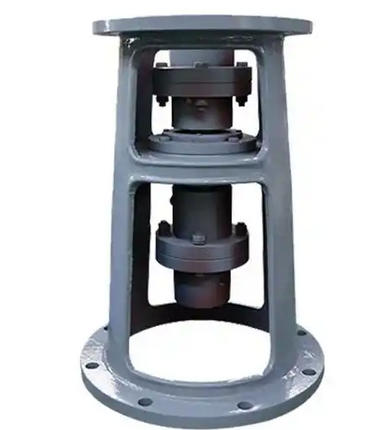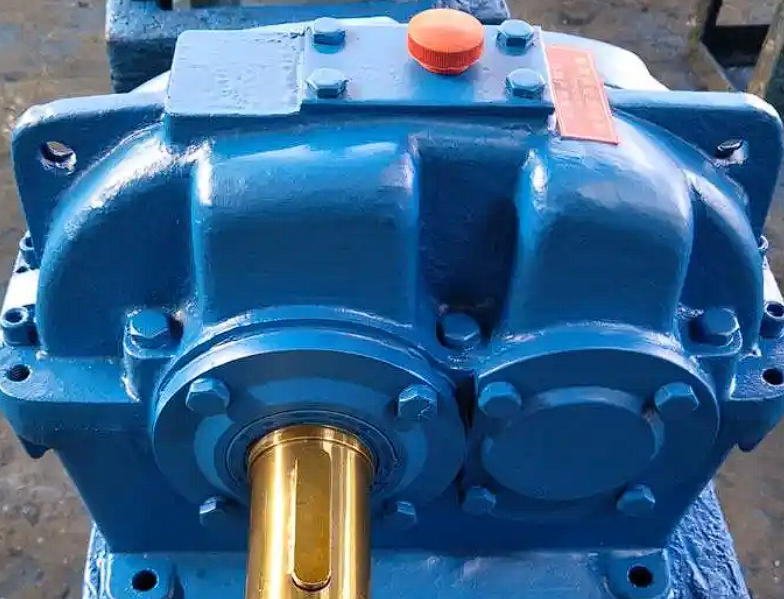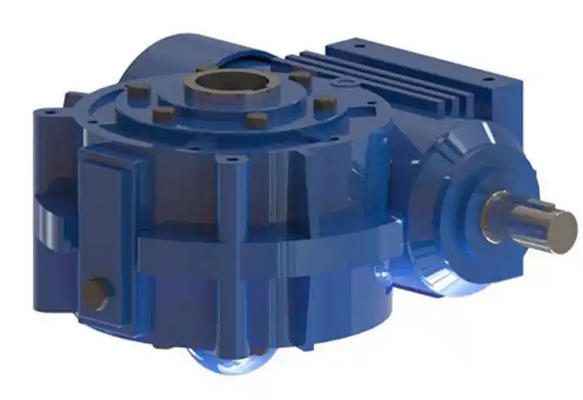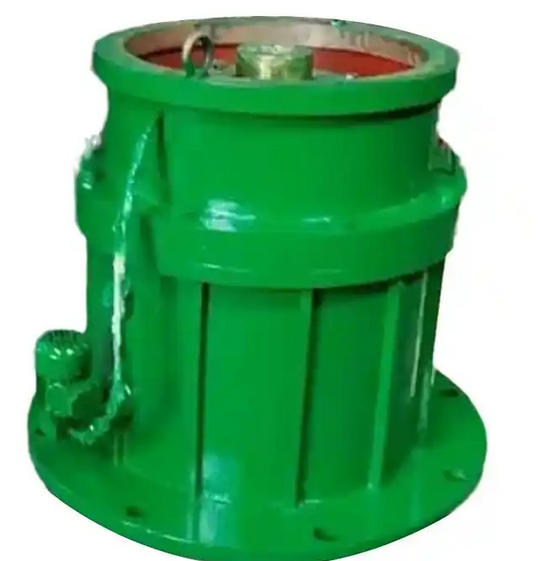


Which is more energy-efficient between WPWDA series and WPWD series worm gear reducers
The WPWDA series is usually more energy-efficient than the WPWD series in long-term operation, especially in high load and continuous working conditions where the energy efficiency advantage is more obvious.1、 Energy efficiency differences stem from structural design and transmission optimization
1. WPWD series
It belongs to the traditional single-stage worm gear reducer, with a simple structure but relatively low transmission efficiency.
Transmission efficiency: generally between 70% and 85%, with a significant decrease in efficiency as the load increases
Energy consumption characteristics: one-way input of worm gear, lubrication relies on splashing in the oil pool, uneven heat dissipation can easily lead to oil temperature rise, increasing internal friction loss
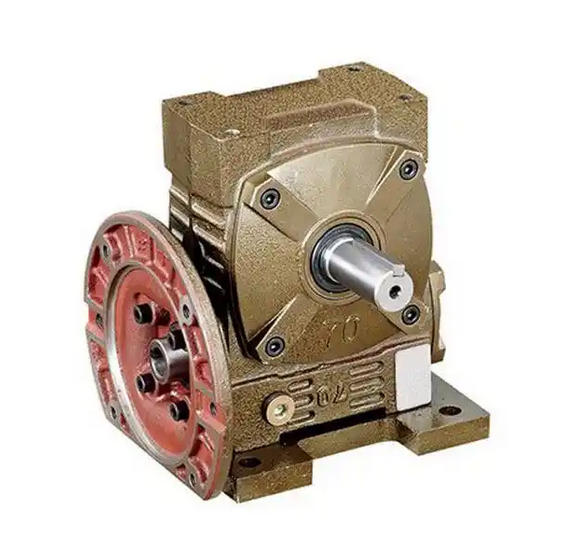
Applicable scenarios: Light load, intermittent operation equipment, such as small conveyor belts and manual lifting platforms
2. WPWDA series
It is a reinforced version of the circular arc tooth reducer that complies with the GB9147-88 standard. It adopts a concave convex meshing design, significantly improving transmission efficiency.
(1) Transmission efficiency: up to 85%~92%, almost 15% higher than WPWD under some operating conditions
(2) Energy saving mechanism:
Circular tooth shape increases meshing contact area and reduces unit tooth surface pressure
Tin bronze worm gear (ZCuSn10P1) has excellent anti friction performance and reduces sliding friction losses
Vertical installation structure optimizes oil level distribution, provides more uniform lubrication, and reduces oil mixing loss
2、 Comparison of actual energy-saving effects (based on typical working conditions)
3、 Extension of system level energy-saving advantages
Reduce cooling demand: WPWDA has lower temperature rise, which can reduce additional ventilation or cooling equipment investment in summer or enclosed workshops
Extend the service life of lubricating oil: For every 10 ℃ decrease in oil temperature, the oxidation rate of lubricating oil is halved, and the oil change cycle can be extended by more than 30%
Reduce energy consumption during downtime due to malfunctions: Higher operational stability means less waste from abnormal restarts and idle runs
Related News