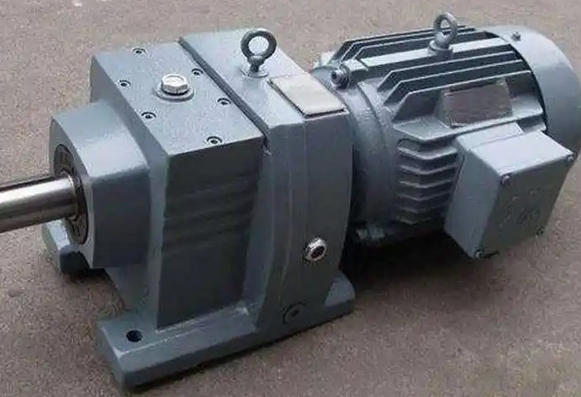

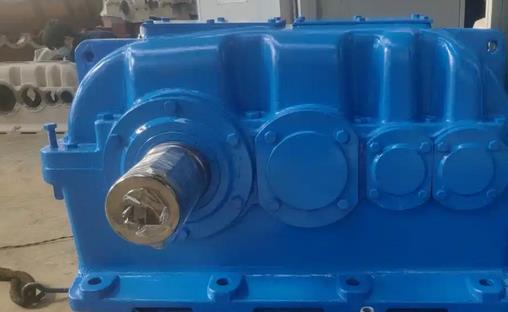
What hazards can arise from unstable operation of a gearbox
1、 Accelerated damage to core componentsUnstable operation means that there are abnormal impact loads and alternating stresses inside, which can directly lead to fatigue failure and accelerated wear of key components.
Gear damage: Increased meshing impact on the tooth surface can quickly cause pitting, wear, and bonding, and in severe cases, can lead to gear tooth breakage, resulting in the direct scrapping of the gearbox.
Bearing damage: The rolling elements and raceways of the bearing are subjected to additional impact loads, which can lead to fatigue pitting, cage fracture, and even inner and outer ring cracking, ultimately causing the bearing to lock up.
Transmission shaft failure: Continuous vibration can cause alternating bending stress on the transmission shaft, leading to journal wear, fatigue cracks, and even fracture, while also damaging the concentricity of the entire shaft system.
2、 Causing chain equipment malfunction
The unstable state of the gearbox will be transmitted along the transmission chain, affecting surrounding equipment and causing greater damage.
Drive motor damage: Vibration transmitted to the motor may cause rotor sweeping, bearing damage, stator winding insulation wear, and ultimately result in motor burnout.
Failure of transmission accessories: Coupling, pulley, brake and other supporting components may experience misalignment, wear or breakage due to vibration, which can damage the stability of the entire transmission system.
Downstream equipment failure: Vibration transmitted to load equipment (such as conveyors, mixers, pumps, etc.) can cause damage to their components, operational shaking, or loss of production accuracy.
3、 Production interruption and safety risks
Unstable operation not only affects the equipment itself, but also poses a direct threat to production operations and personnel safety.
Unplanned downtime: Sudden failures can cause the entire production line to shut down, resulting in production interruptions, delivery delays, and significant economic losses.
Potential safety hazards: High speed rotating components may break and fly out due to vibration, lubricating oil leakage may catch fire when exposed to high temperatures, loose equipment anchor bolts may even cause equipment overturning, leading to major safety accidents such as mechanical injuries and fires.
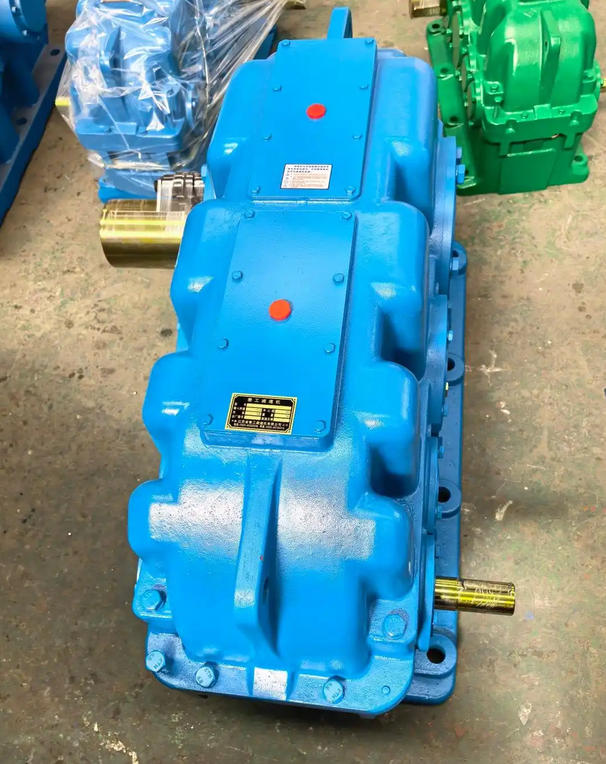
Deterioration of environment and working conditions: Severe vibrations are often accompanied by excessive noise, which can harm the hearing of operators; At the same time, vibration can exacerbate seal failure and lubricant leakage, polluting the production environment.
4、 Significant increase in economic costs
The cost of maintenance has skyrocketed: Post repair involves spare parts procurement, on-site repair, manual debugging, etc., and the cost is much higher than daily preventive maintenance.
Shortened equipment lifespan: Vibration fatigue can shorten the overall design lifespan of the gearbox by more than 50%, leading to premature scrapping of the equipment and increasing the repeated investment in fixed assets.
Reduced transmission efficiency: Unstable operating conditions mean that more energy is consumed to overcome vibrations and impacts, leading to a decrease in transmission efficiency and an increase in energy consumption.
Related News