

How to choose the appropriate sealant for WP series reducers
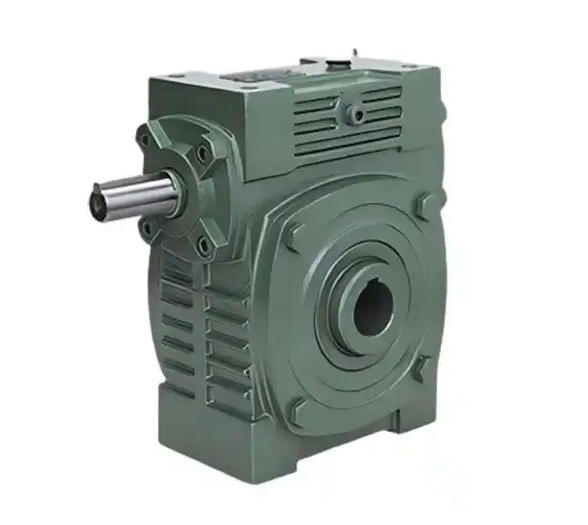
1、 Accurate selection based on sealing partsBox body joint surface (box cover and box seat joint): Under normal working conditions, choose oil resistant silicone flat sealant, such as Kraft K-5875 and double bond DB9587, which can fill small gaps of ≤ 0.5mm in castings. After curing, it has good elasticity and can offset the vibration deformation of the shell, suitable for the sealing requirements of the cast iron box body of WP series worm gear reducers.
Bearing end cap and flange connection surface: When the flatness of the joint surface is high and the gap is ≤ 0.2mm, anaerobic sealant such as Loctite 510/577 should be selected to isolate air and solidify without flowing. It has strong rigidity and anti loosening to avoid loose end caps causing oil seal wear and oil leakage.
Position of shaft extension seal: Do not use sealant directly, it needs to be matched with TC type double lip skeleton oil seal. Only apply a small amount of anaerobic adhesive on the static mating surface of the oil seal mounting seat to prevent leakage of the outer ring of the oil seal.
2、 Match performance according to operating conditions
Temperature adaptation: Choose ordinary oil resistant silicone adhesive for normal temperature conditions (-20 ℃~100 ℃); In scenarios with sustained high temperatures (>120 ℃), switch to high-temperature silicone sealant that can withstand temperatures ranging from -60 ℃ to 200 ℃ to avoid high-temperature hardening and cracking of the adhesive layer.
Media compatibility: When using ordinary mineral gear oil, choose nitrile rubber compatible sealant; When using synthetic ester oil and extreme pressure additive oil, use silicone free fluorosilicone adhesive to prevent oil emulsification failure.
Adaptation of shell material: neutral silicone adhesive can be selected for cast iron box body; Acidic silicone sealant (including acetic acid corroded aluminum parts) is strictly prohibited for aluminum alloy shells. Neutral silicone or modified silane sealant should be used instead.
3、 Prohibited pit avoidance types
Acidic glass adhesive: corrodes the surface of metal flanges and shells, and long-term contact with oil will cause swelling and failure.
Ordinary building sealant: Insufficient temperature and oil resistance, prone to softening, cracking, and oil leakage during operation.
Class 502 instant dry adhesive: After curing, it is hard, brittle, and inelastic, and directly fractures under vibration, completely unable to compensate for small deformations on the bonding surface.
4、 Key points for practical selection verification
Measure the joint surface gap with a feeler gauge: If it is ≤ 0.1mm, use anaerobic adhesive directly, and if it is 0.1-0.5mm, choose silicone adhesive. The thickness of the adhesive layer should be ≥ 1.5 times the gap.
The adhesive layer should form a continuous closed loop with a width of 5-8mm. Before tightening the bolts, use a 0.05mm feeler gauge to check the joint surface for any gaps to avoid the adhesive layer breaking open.
Clean up the excess glue that overflows in a timely manner after assembly to prevent the glue block from falling into the oil tank, blocking the oil circuit, or scratching the tooth surface of the worm gear.
Related News