
What safety hazards can be caused by incorrect motor rotation of BWED4527-187-11KW cycloidal pinwheel reducer
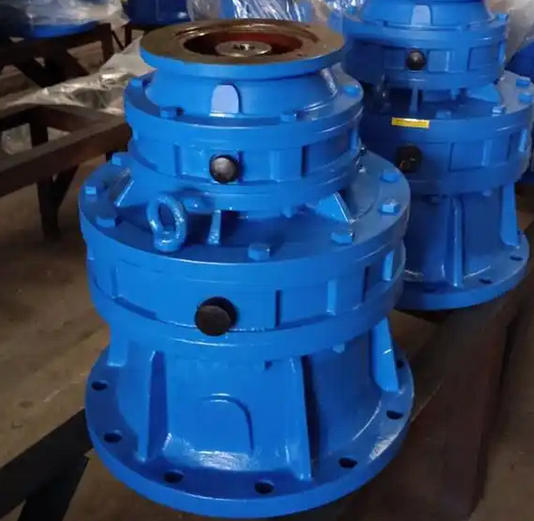
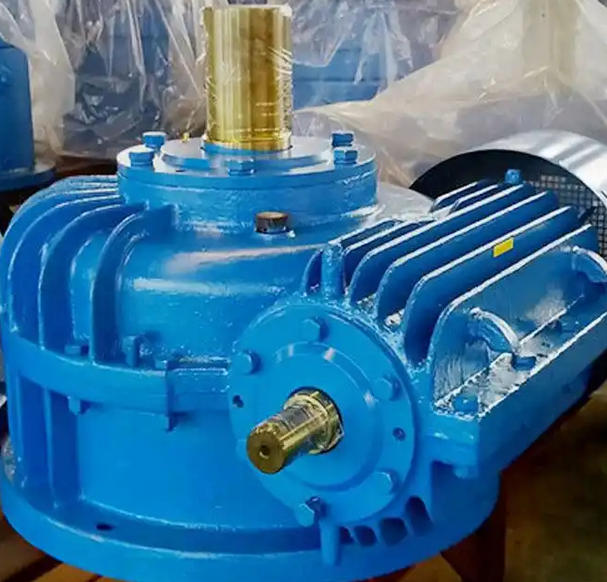
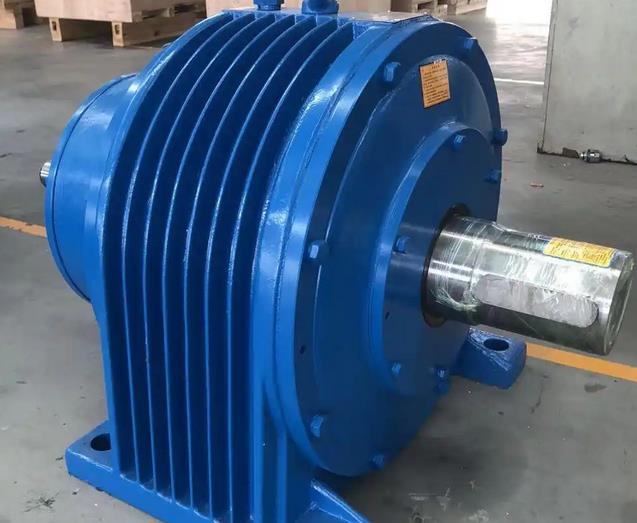
BWED4527-187-11KW is a high-power two-stage horizontal cycloidal pinwheel reducer with high output torque and strong load inertia. Incorrect motor direction not only damages the equipment, but also poses serious personal and production safety hazards. It can be divided into three categories: equipment safety hazards, process safety hazards, and personnel safety hazards, as follows:1. Equipment safety hazard: Overload damage to the transmission system, causing chain failures
The core components of this type of reducer, such as the cycloid gear, needle teeth, and output shaft, are designed to withstand force loads according to regulations. Incorrect steering can cause the contact stress on the meshing surface to instantly exceed the design value by 1.5-2 times. In a short period of time, it can cause the cycloid gear surface to crack, the needle teeth to deform and break, and even the output shaft to twist and break. At the same time, reverse rotation can cause disorder in the circulation of internal lubricating oil, resulting in dry friction of bearings and gear pairs due to lack of oil. The temperature rises sharply to over 90 ℃, causing carbonization of lubricating oil, burning of oil seals, and oil leakage. If the gearbox is not stopped in time, it will cause the entire machine to be scrapped. In addition, reverse vibration can damage the fastening state of the anchor bolts, causing the machine base to shift and the pad iron to fall off, which in turn affects the deformation of the drive shaft of the driven equipment, damages the bearings, and forms a chain failure of the production line equipment.
2. Process safety hazard: Loss of control during load side operation, disrupting production processes and causing accidents
If the reducer is matched with process equipment such as conveying, lifting, and mixing, the wrong direction of rotation will directly cause the load end to run in the opposite direction, leading to process accidents:
When using a matching hoist, reverse rotation can cause heavy objects to fall rapidly, damaging equipment or material accumulation below and collapsing;
When using a matching conveyor, reverse operation can cause material to accumulate in reverse flow, block the feeding port, or cause the conveyor belt to deviate and tear;

When using a matching mixer, reverse mixing can cause uneven mixing and clumping of materials, and even lead to overloading and breakage of the mixing blades, causing material splashing.
For working conditions with self-locking function, steering errors can cause the gearbox to lose its self-locking ability, causing the load end to "slip" or "reverse" under the action of gravity, resulting in production line shutdown or batch scrap of products.
3. Personnel safety hazards: components flying out, equipment overturning, directly threatening personal safety
When the 11KW high-power reducer runs in reverse, the huge reverse torque can cause the connecting components to fail, leading to a serious personal injury accident:
The coupling bolt breaks due to reverse impact overload, causing the coupling body or bolt fragments to fly out at high speed, which can easily hit surrounding operators;
The anchor bolts are broken by reverse vibration, causing the gearbox base to tilt or even overturn, injuring nearby inspection or maintenance personnel;
If the load end is a lifting or hoisting equipment, and the wrong direction causes the heavy object to fall, it will cause casualties to the personnel below;
Oil leakage caused by reverse operation can make the ground slippery, making it easy for operators to slip and fall, and high-temperature components may cause burns.