
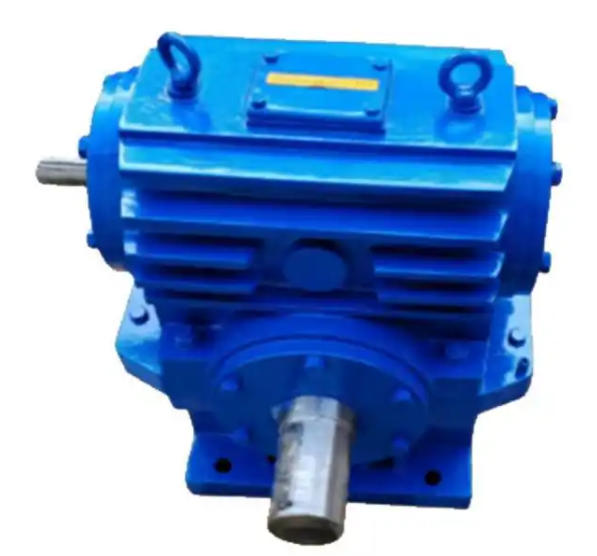
How to judge whether the CWO180-40 worm gear reducer is in this load state
Whether the CWO180-40 worm gear reducer is in an overloaded state can be comprehensively judged through abnormal operating parameters, changes in vibration and noise, temperature rise, and lubrication system performance. The following are systematic identification methods:1、 Abnormal operating parameters: the most direct overload signal
Overload will be directly reflected in the operating data of the drive motor and gearbox.
Motor current exceeding the standard: Use a clamp ammeter to measure the operating current of the motor. If it exceeds 110% of the rated current (as indicated on the nameplate) for a long time, it indicates that the load is too high.
Insufficient output torque: The equipment experiences a "p
 owerless" phenomenon, such as the conveyor belt slipping and the speed of the lifting mechanism decreasing. Even if the input speed is increased, it cannot be improved, which may be due to the gearbox reaching its output limit.
Frequent overload tripping: The thermal relay or frequency converter in the control system reports an "overload" fault. After troubleshooting the motor problem, it is important to focus on checking the compatibility between the reducer and the load end.
2、 Abnormal temperature rise: a key indicator of thermal imbalance caused by overload
The efficiency of worm gear transmission is relatively low (usually 70% -90%), and a large amount of energy is converted into heat when overloaded.
Rapid increase in shell temperature: Under normal operating conditions, the surface temperature of the gearbox should be below 80 ℃; If the touch is hot (>90 ℃) during operation, or if the infrared thermometer displays a continuous increase in temperature, it indicates overload or lubrication failure.
High temperature carbonization of lubricating oil: Check the oil after shutdown. If there is a burning smell, black color or even coking, it indicates that long-term overheating operation has entered a vicious cycle.
3、 Vibration and noise intensification: external manifestations of increased mechanical stress
Overloading can cause uneven stress on the meshing components, leading to abnormal dynamic response.
Low frequency impact vibration: Under high load, the oil film in the meshing area of the worm gear breaks, producing periodic metal impact sound, accompanied by mid low frequency vibration, and the effective value of vibration velocity increases proportionally with the load.
Abnormal noise: A piercing "hissing sound" (intensified sliding friction) or irregular "clanging sound" (tooth surface pitting or partial peeling) indicates that the tooth surface has been damaged.
Shaking or displacement sensation of the whole machine: Loose anchor bolts or resonance of the box body, especially when the vibration intensifies sharply under heavy load, are manifestations of structural load-bearing exceeding the limit.
Related News