
Guidelines for avoiding pitfalls in the procurement of spinning machine reducers: You must pay close attention to these 3 core parameters
1. Torque (the lifeline of load capacity)The torque determines whether the gearbox can smoothly drive the spinning equipment. The spinning process requires extremely high stability of torque in the process of twisting fibers into yarn. If the torque is insufficient, the equipment will frequently fail to move, and even cause inconsistent yarn tension, directly affecting the production of high-quality yarn. When purchasing, it is essential to accurately calculate the resistance during equipment operation and clearly distinguish between "rated torque" (daily operating capacity) and "maximum torque" (occasional limit) to ensure sufficient and stable power output.
2. Speed ratio (the "seesaw" between speed and torque)
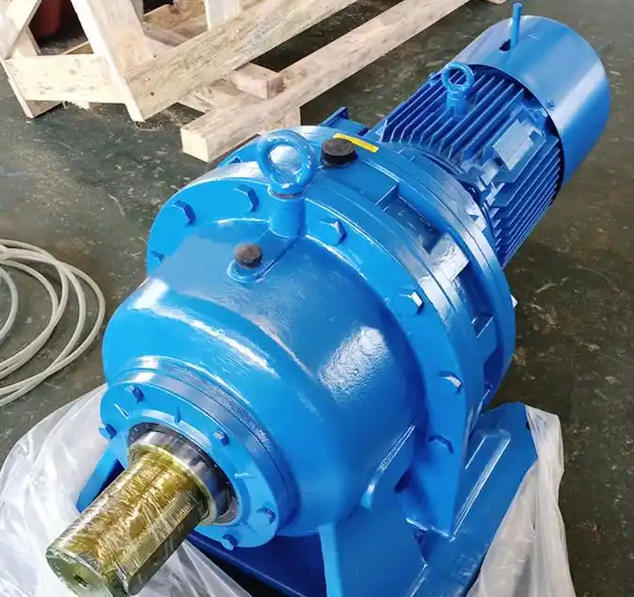
The speed ratio directly determines the "speed" and "power" of the equipment. The spinning machine must continuously control its output while rotating at high speed to avoid damage to fine fabrics. If blindly choosing a reducer with a too small speed ratio, it will result in excessive output speed and insufficient torque, causing severe vibration of the weaving or spinning machine and significantly increasing the defect rate of the product. It is recommended to determine the appropriate speed ratio based on the operating speed requirements and load torque of the equipment, to ensure that the reducer can provide smooth and accurate speed reduction and torque amplification.
3. Efficiency (the "key" between energy consumption and operating costs)
Transmission efficiency is an important indicator that determines the long-term operating cost of equipment. If the speed ratio of the reducer does not match the transmission efficiency, it will significantly increase the overall energy consumption of the equipment. In addition, inefficient reducers are more prone to wear and failure under long-term high load operation, which in turn increases maintenance costs in the later stages (and may even result in "three repairs a year, higher maintenance costs than buying a new one").