
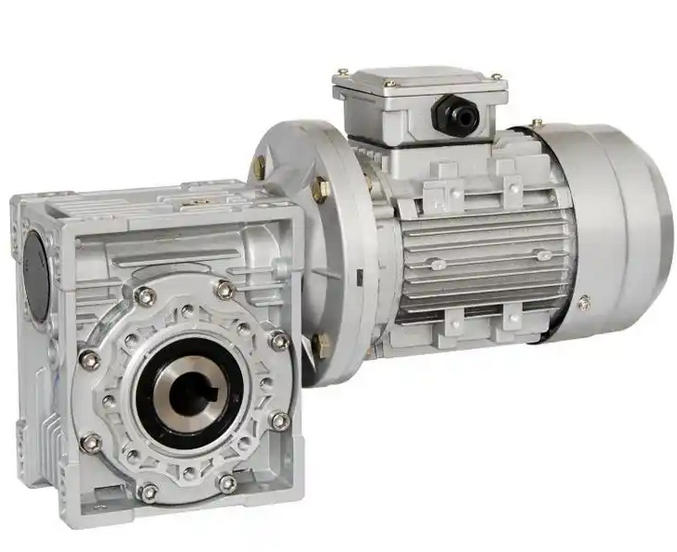
What are the specific effects of high or low oil level on the noise level of BWEY131-289-1.5KW cycloidal pinwheel reducer
Abnormal oil level can directly change the fluid dynamics state inside the gearbox: if the oil level is too high, it will produce a high-frequency "buzzing" sound accompanied by temperature rise due to vigorous oil stirring, while if the oil level is too low, it will cause lubrication failure at the gear meshing point, resulting in dull "clicking" impact sound or sharp friction sound, both of which will significantly exceed the normal range of noise level.1、 The oil level is too low (below the centerline of the oil mirror or the lower limit of the oil gauge)
The core problem of low oil level is lubrication failure and dry friction, which can cause high-frequency, sharp, and unstable noise.
1. Types and characteristics of noise
(1) High frequency sharp whistling/squeaking sound (above 5000Hz): Due to the inability to form a complete oil film between the cycloidal gear and the needle teeth, as well as between the bearing rolling elements and the raceway, boundary friction or dry friction occurs, resulting in high-frequency screaming.
(2) Metal impact/clicking sound: The buffering effect of the oil film is lost, and direct metal impact occurs at the meshing gap, with a periodic and intermittent crisp knocking sound.
(3) Overall noise decibel surge: Under normal operating conditions, the noise level is about 70-75dB (A), and when the oil level is too low, it usually increases by 8-15dB (A), and the sound is rough and harsh.
(4) Vibration synchronization intensifies: Friction and impact cause the body to vibrate, which in turn amplifies noise, forming a vicious cycle of "vibration noise".
2. Specific impact on BWEY131 model
This model is a two-stage cycloidal pinwheel structure (BWEY structure), which includes high-speed eccentric bearings, cycloidal gears, needle gear housings, and low-speed output mechanisms. When the oil level is too low:
(1) The high-speed eccentric bearing first runs out of oil and emits a continuous buzzing noise, causing the temperature to rise rapidly.
(2) Insufficient lubrication in the meshing area between the cycloidal gear and the needle teeth results in periodic meshing impact noise.
(3) Friction noise occurs between the output shaft pin and sleeve due to poor lubrication.
The noise continues to deteriorate with prolonged operation time, accompanied by an increase in oil temperature and power loss.
2、 The oil level is too high (higher than 2/3 of the oil mirror or the upper limit of the oil gauge)
The core problem of high oil level is severe oil agitation and fluid resistance, resulting in low-frequency, dull fluid noise and bubble impact noise.
1. Types and characteristics of noise
(1) Intense splashing/boiling sound of oil: The rotating parts (eccentric sleeve, cycloid wheel) are deeply immersed in the oil, stirring the lubricating oil at high speed, producing a continuous, low pitched fluid churning sound.
(2) The crackling sound of bubble rupture: the oil is mixed with a large amount of air to form foam; Bubbles rupture at the mating surface and bearing, producing high-frequency, fine cracking sounds.
(3) Dull low-frequency roar: The resistance to stirring oil increases, causing fluctuations in the load of the motor and gearbox, leading to low-frequency resonance of the body, resulting in a low and muffled sound.
(4) Overall noise increase: The decibel value increases by 5-10dB (A), and the sound changes from a uniform "buzzing sound" to a mixed fluid sound and bubble sound noise.
Related News