

Which type of reducer has the lowest no-load loss
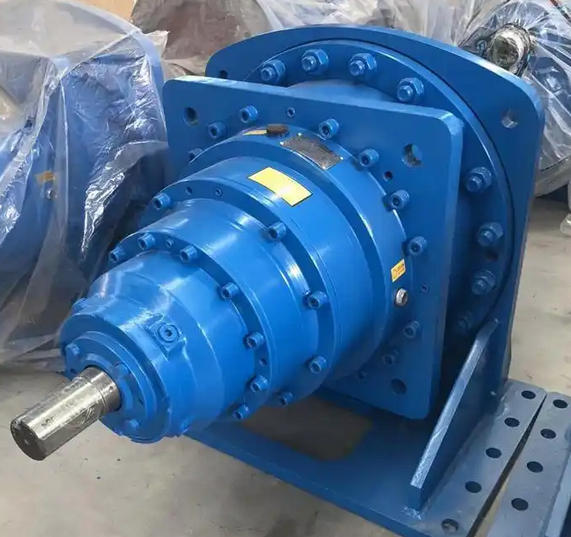
The single-stage planetary gear reducer represents one of the most widely adopted reducer designs available today, featuring the lowest no-load loss among common reducer categories. Standard single-stage planetary units achieve a no-load transmission efficiency ranging from 95% to 97%. Certain high-precision servo-grade planetary models can even exceed 97% efficiency under no-load conditions. This translates to far lower parasitic power consumption during idle operation when compared against other popular reducer configurations.
Core Reasons for Ultra-Low No-Load Loss
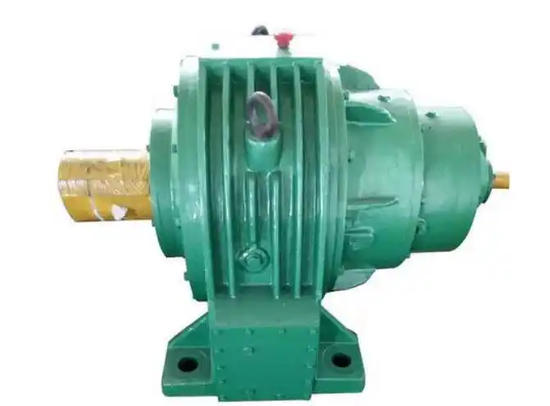
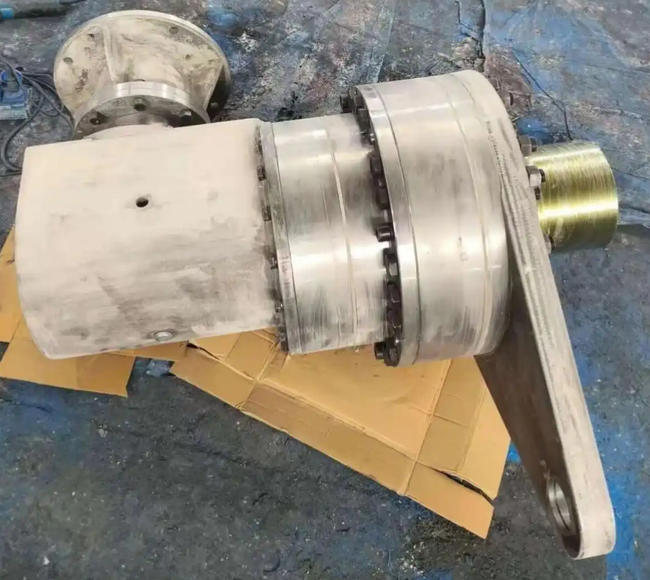
This performance advantage originates from its multi-tooth meshing pure rolling transmission architecture. Gear engagement relies primarily on rolling contact with nearly zero sliding friction. Only bearings contribute a small portion of frictional losses. Unlike harmonic reducers that suffer from elastic hysteresis losses generated by the flexspline, planetary gearboxes avoid such cyclic elastic deformation losses. They also eliminate the substantial sliding friction between tooth flanks found in worm and wormgear reducers.
High-precision gear grinding technology further optimizes performance, delivering a tooth surface roughness Ra ≤ 0.4 μm. This finely finished gear surface greatly reduces resistance during meshing. When paired with low-friction sealing solutions, mechanical power losses under no-load operation are minimized even further.
Cross Comparison of No-Load Loss Across Different Reducer Types
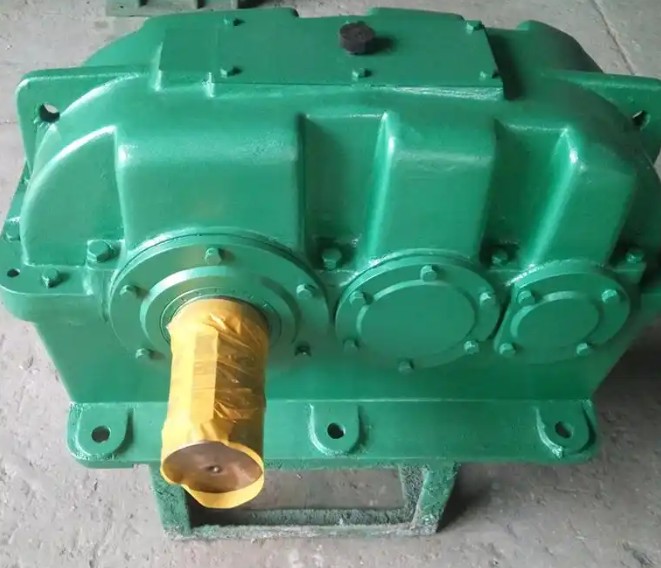
For applications requiring multi-stage reduction, the overall transmission efficiency is calculated as the product of efficiency values from each individual stage. Even three-stage planetary gear reducers maintain a no-load efficiency of approximately 90%. This figure remains considerably higher than multi-stage alternatives with the same reduction ratio.