
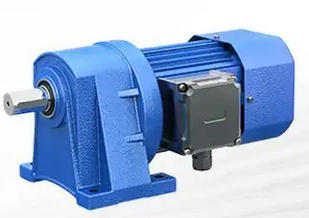
Difference Between R Series and RX Series Gear Reducers
Both R series and RX series reducers fall under the category of R-series helical hard-tooth surface reducers. Their key differences are outlined below:
Transmission stages: The R series typically adopts 2-stage or 3-stage helical gear reduction drive, whereas the RX series features single-stage helical gear reduction transmission.
Speed ratio range: The basic R model covers a ratio range of 3.33–289.74, and the R/R combined version can achieve a maximum ratio of 27001. The RX model offers speed ratios from 1.3 to 8.65.
Torque and power capacity: The basic R model delivers torque of 85–18000 Nm and power ranging from 0.18–160 kW. The RX model provides torque of 20–1680 Nm and power of 0.18–132 kW. Overall, the R series boasts higher torque and power load capacity.
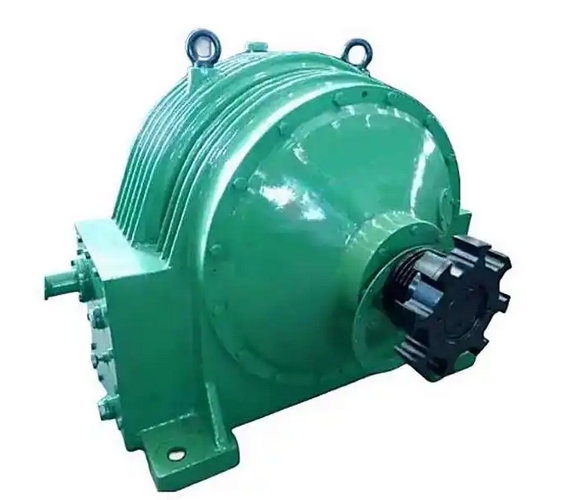
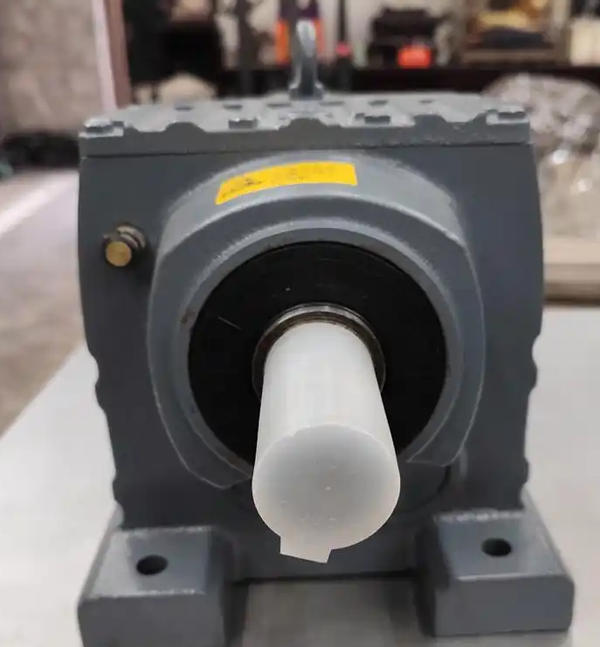
Structural characteristics: The R series mostly comes with shaft extension foot-mounted design. Its relatively large dimension makes it ideal for heavy-duty machinery. The RX series uses a single-stage foot-mounted configuration, featuring a compact build and minimal space requirement.
Application scenarios: The R series fits heavy-load and low-speed working conditions including mining and construction industries. The RX series is designed for scenarios demanding high precision and high torque density, such as robotic systems and automated equipment.
Related News