
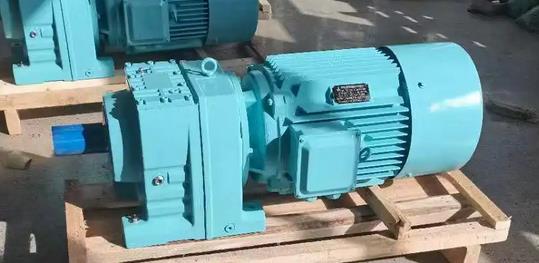
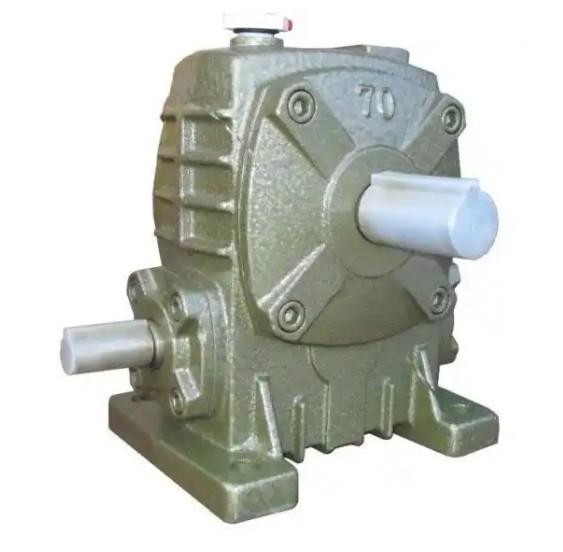
How to ensure that the worm gear joint surface of the WPA80-30-A reducer is not damaged during the cleaning process
The operating specifications for ensuring the cleanliness and undamaged joint surface of the WPA80-30-A reducer worm gear are applicable to the joint surface cleaning operation after equipment disassembly and maintenance:1. Preparation in advance: Avoiding the risk of hard injuries
(1) When disassembling the worm gear components, use a specialized puller or copper rod to strike. It is forbidden to directly strike the knotted joint surface with a carbon steel hammer to prevent dents or edge breakage on the tooth surface or joint surface; Mark the engagement position before disassembly to avoid uneven stress on the engagement surface caused by misalignment during reassembly.
(2) Prepare cleaning tools: Use soft tools such as nylon scraper, wool brush, dust-free cloth, wooden scraper, and prohibit the use of hard tools such as wire brush and metal scraper to contact the joint surface.
(3) Prepare cleaning medium: Select appropriate reagents according to the type of pollutants on the joint surface. Neutral cleaning agents or diesel should be used for oil stains and carbon deposits. Special sealing agents should be used to remove adhesive residue. Strong acid and alkali reagents are strictly prohibited to prevent corrosion of the metal material on the joint surface.
2. Cleaning operation: step-by-step removal of pollutants
(1) Rough cleaning: Dip a dust-free cloth in diesel or neutral cleaning agent to wipe off the floating oil and dust on the surface of the joint. For thick oil stains and clumps, gently scrape them off with a wooden scraper or nylon scraper. When scraping, keep the tool at a 45 ° angle to the joint surface, and the force should be just enough to remove pollutants to avoid scratching the metal surface.
(2) Fine cleaning: For small impurities and debris on the meshing tooth surface of the worm gear, use a wool brush dipped in cleaning agent to gently brush along the tooth direction, and prohibit horizontal brushing; The residual pollutants in the gap of the mating surface can be washed with cleaning agent extracted by a medical syringe, and then dried with a dust-free cloth to ensure that there are no residues in the gap.
(3) Drying treatment: After cleaning, wipe the joint surface with a clean dust-free cloth or blow dry with compressed air. The compressed air pressure should be controlled at 0.2-0.3MPa, and the muzzle should be kept 10-15cm away from the joint surface to avoid damage caused by high-pressure airflow impact; Do not use high-temperature hot air for drying to prevent thermal deformation of the bonding surface metal.
3. Inspection and protection: avoid secondary damage
(1) After cleaning, check the condition of the joint surface and observe whether there are scratches, pits, rust and other defects. If slight scratches are found, use fine metallographic sandpaper (800 mesh or more) to gently polish along the original surface texture. After polishing, wipe it clean again with cleaning agent; If the defect is deep, welding repair or component replacement is required.