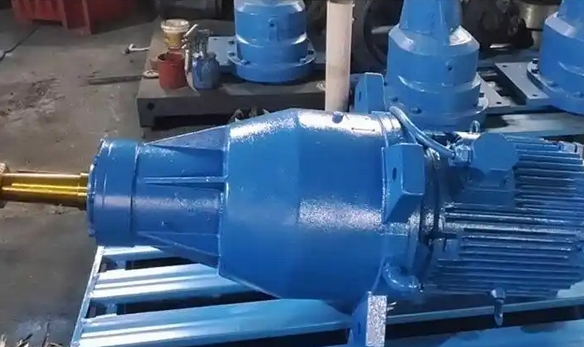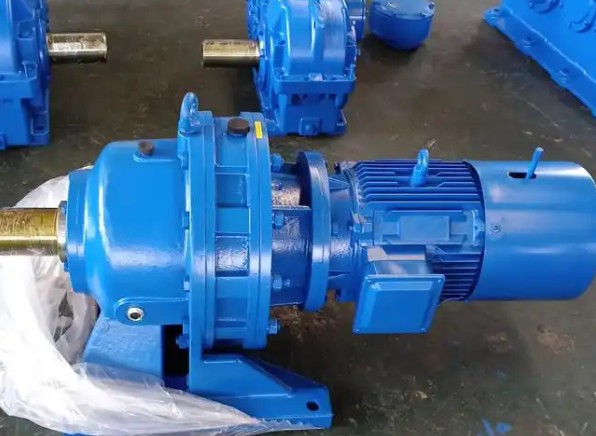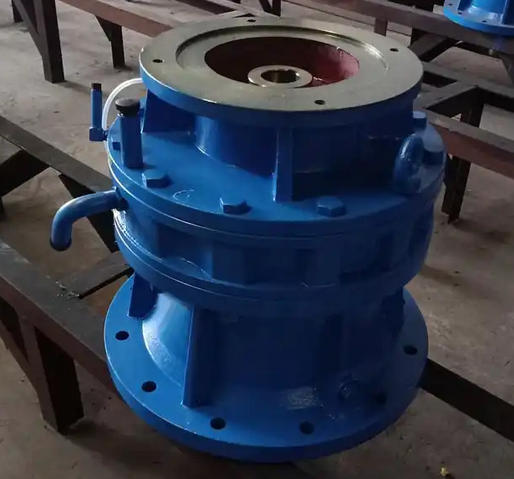

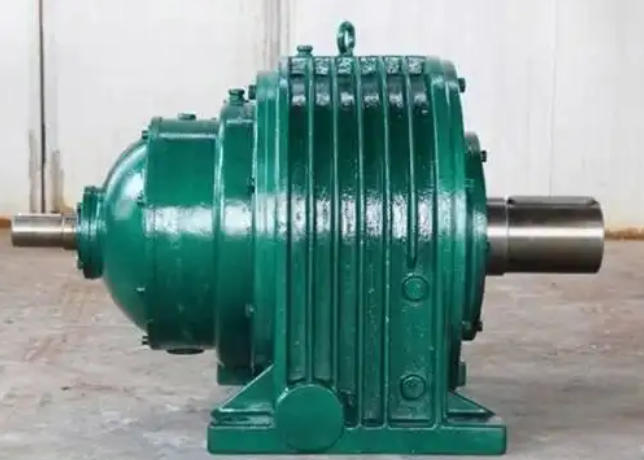
Full analysis of the principle and application of ZDY hard tooth surface gear reducer
In the vast system of industrial machinery, power transmission is a core process. Electric motors or other prime movers output high-speed rotational kinetic energy, while many working machines, such as mixers, conveyor belts, or lifting devices, require low-speed, high torque forces. Direct connection often cannot match this requirement, which requires an intermediary device to complete the conversion of speed and torque. The reducer plays this role precisely, and its essence is a precise energy converter and regulator. It converts the input high-speed low torque mechanical energy into output low-speed high torque mechanical energy through its internal transmission structure, and its conversion efficiency and reliability directly determine the performance of the entire transmission system. Understanding this is the foundation for analyzing any type of gearbox.Among various types of gear reducers, hard tooth surface gear reducers represent a path to enhance energy conversion limits through material and process reinforcement. Unlike ordinary gear reducers, its core feature is that the gear tooth surface has undergone special hardening treatment, resulting in extremely high surface hardness. This treatment is not simply a surface coating, but rather a thermal processing technique such as carburizing and quenching to change the metallographic structure of the gear surface metal, enabling it to withstand greater contact and bending stresses, thereby transmitting greater power in the same volume, or having a longer service life and higher reliability when transmitting the same power.
Micro mechanical basis of 02 hard tooth surface technology
To understand why hard tooth surfaces can bring performance leaps, it is necessary to delve into the microscopic world of gear meshing. When two gear teeth mesh, they do not make surface contact, but theoretically make a linear contact (in reality, a small elliptical surface will be formed due to elastic deformation). In this extremely small contact area, a huge normal load needs to be borne, resulting in extremely high contact stress, namely Hertz stress. If the hardness of the tooth surface material is insufficient, fatigue cracks will occur below the surface under high stress cycling for a long time. The crack propagation will eventually lead to pitting or peeling, resulting in pitting or small pits on the tooth surface, which will damage the transmission stability and generate noise.
The core goal of hard tooth surface treatment is to enhance the material's ability to resist contact fatigue. Gears that have undergone carburizing and quenching typically have a tooth surface hardness of HRC58-62, while the tooth core maintains a high level of toughness. This gradient material structure with "external hardness and internal toughness" enables the tooth surface to withstand enormous surface compressive stress, preventing the initiation and propagation of micro cracks. The extremely high hardness also significantly improves the wear resistance of the gear, reduces tooth profile wear during long-term operation, and ensures the long-term stability of the transmission ratio. From a micro mechanical perspective, the hard tooth surface technology essentially increases the failure threshold of gears significantly, expanding their safe operating load range.
Related News