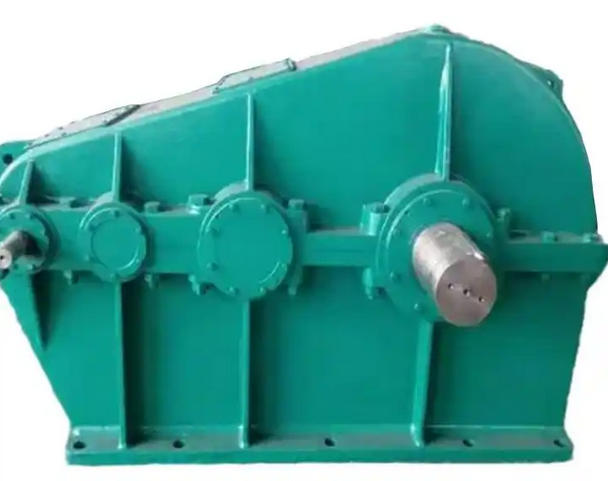


How to optimize the noise performance of ZL60-II-22.4 reducer
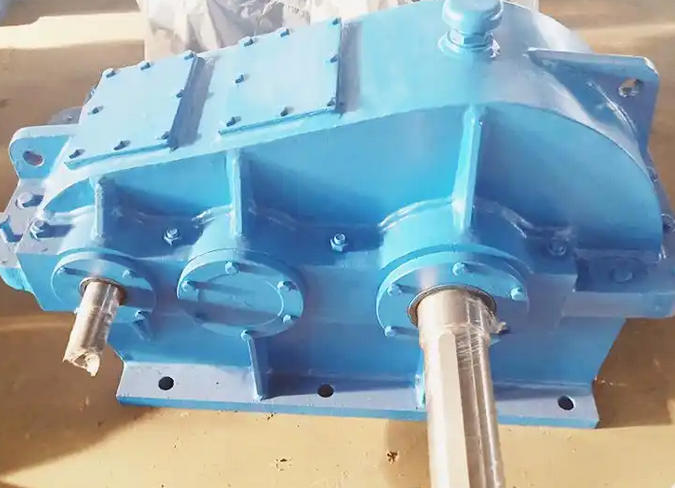
Optimizing the noise performance of standard reducers such as ZL60-II-22.4 requires systematic optimization from three levels: the source (gear), propagation path (housing), and post maintenance. The noise mainly comes from gear meshing impact, component vibration, and structural resonance.1、 Source optimization: gear design and manufacturing
This is the most fundamental way to reduce noise by minimizing the impact and vibration during gear meshing.
1. Optimize gear tooth profile
Tooth profile modification: perform tooth top modification, tooth end modification, or adopt drum shaped tooth design on gears. This can effectively reduce the impact of gears during meshing and disengagement, making the transmission smoother.
Improve manufacturing accuracy: Ensure that key parameters such as tooth pitch and tooth orientation of gears reach high-precision levels (such as high-quality gears in AGMA standards). Higher precision means smaller meshing clearance and smoother contact, which can significantly reduce noise.
2. Adjust gear parameters
Increase overlap: By adjusting the tooth pitch and pressure angle, increase the number of teeth participating in meshing simultaneously. This can disperse the load, reduce the force fluctuations of individual teeth, and thus reduce vibration and noise.
Optimizing the backlash: While ensuring normal lubrication and thermal expansion, reducing the backlash appropriately can reduce the impact during reversing.
3. Choose the appropriate lubricant
Use gear oil with low viscosity and high wear resistance. High quality lubricating oil can form a stable buffer oil film between tooth surfaces, reducing direct contact and friction between metals, thereby reducing noise.
2、 Optimization of propagation path: improvement of box structure
The vibration of the enclosure is the main source of radiated noise, and optimizing the enclosure structure can effectively block the propagation of noise.
1. Add reinforced ribs
Add reinforcing ribs in the area where the vibration of the box is most pronounced (usually near the center of the panel or bearing seat). This can improve the local stiffness and overall modal frequency of the box, suppress the bending vibration of the panel, and thereby reduce noise radiation.
2. Application topology optimization technology
This is a more advanced design method. Through finite element analysis (FEA) and acoustic contribution analysis, accurately identify the box area that contributes the most to noise, and then use topology optimization algorithms to design the optimal material layout and rib shape without significantly increasing weight, achieving precise noise reduction.