
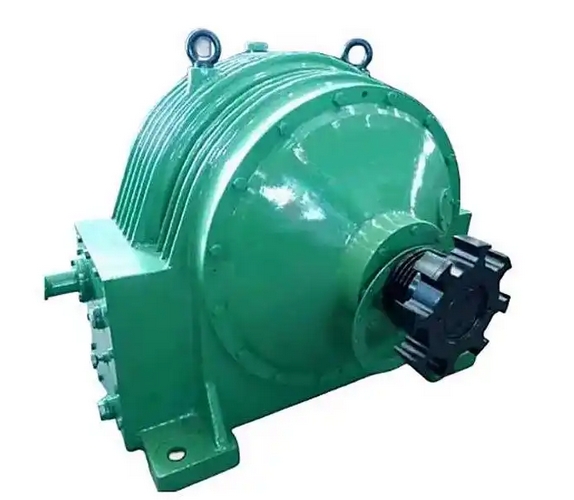
What impact does the selection of lubricating oil for the ZL60-22.4-1 soft tooth surface reducer have on power
1、 The core influence of viscosity on powerLow viscosity: Insufficient oil film thickness can lead to direct metal contact during tooth meshing, resulting in a sudden increase in friction coefficient and a decrease in transmission efficiency by 3% to 5%. The actual rated power that can be carried is greatly compressed, and long-term operation can cause tooth surface pitting and wear, further losing power transmission capacity.
Excessive viscosity: The resistance of gear oil stirring significantly increases, consuming additional input power. Under high-speed conditions, efficiency can be reduced by 2% to 4%, and ineffective power consumption is converted into an increase in oil temperature, leading to further deterioration of the oil and forming a vicious cycle of "high resistance high temperature lubrication failure". Ultimately, the available output power does not increase but decreases.
Suitable viscosity range: ZL60 soft tooth surface reducer has a large mesh clearance. It is recommended to use ISO VG220~460 medium load industrial gear oil under normal working conditions, which can form a stable oil film with sufficient thickness on the tooth surface, control the friction loss at the lowest level, and fully release the rated power.
2、 Long term impact of oil performance on power
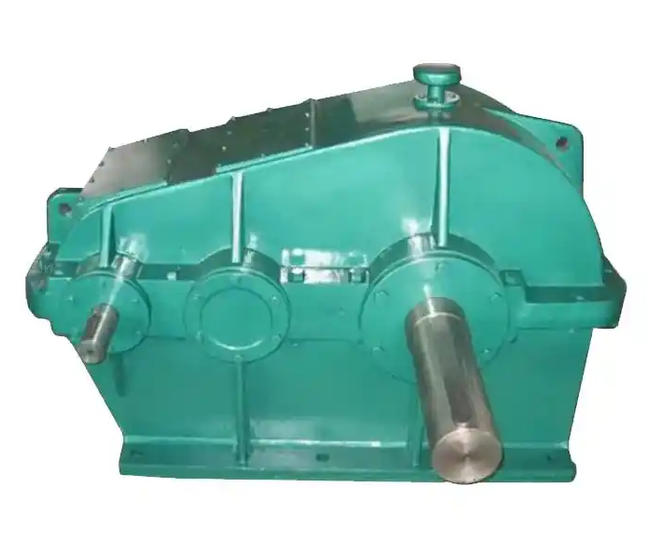
Insufficient extreme pressure and anti-wear performance: unable to form an effective protective film at the heavy-duty meshing point, accelerated tooth surface wear rate, excessive gear backlash after running for a period of time, decreased transmission accuracy, increased vibration and noise, and the equipment cannot operate stably at rated power for a long time.
Poor antioxidant performance: The oil is prone to oxidation, generating sludge and gum, blocking the oil circuit and reducing heat dissipation capacity, resulting in a continuous increase in oil temperature. The strength of the oil film rapidly decreases with the temperature rise, and the equipment has to operate at reduced power to avoid overheating and damage.
Insufficient anti emulsification performance: When water is mixed in, the oil emulsifies and the oil film directly ruptures, causing a sharp deterioration in the lubrication state of the tooth surface. At this time, even if rated power is input, there is a serious risk of tooth surface adhesion, and a significant load reduction is necessary to maintain operation.
3、 Typical power performance of improper selection
The rated power of the input motor is sufficient, but the actual output torque of the reducer is insufficient and cannot carry the rated load;
The operating current far exceeds the normal value, and a large amount of electrical energy is consumed by ineffective oil stirring resistance and friction losses;
After the load rate exceeds 70%, the oil temperature quickly breaks through 85 ℃, triggering overheating protection and forcing the equipment to operate at reduced power.