
What impact will loose or damaged heat sinks of JZQ500 soft tooth surface reducer have on the operation of the equipment?
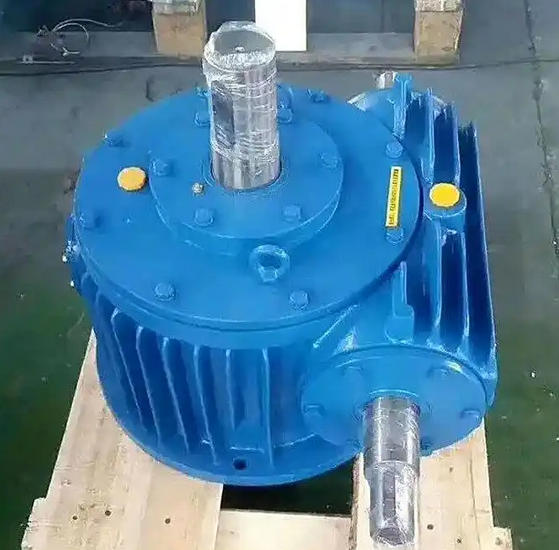
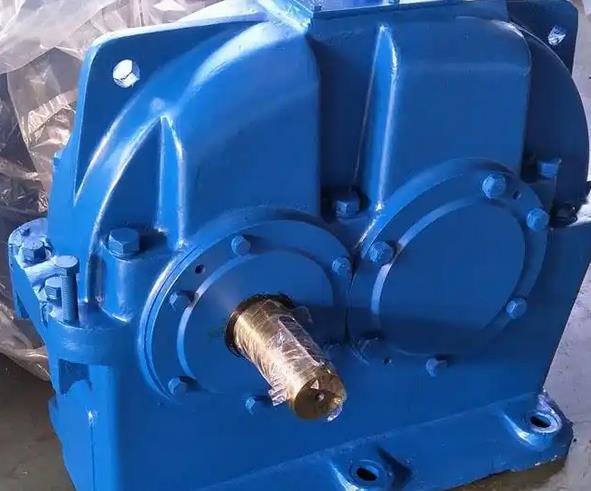
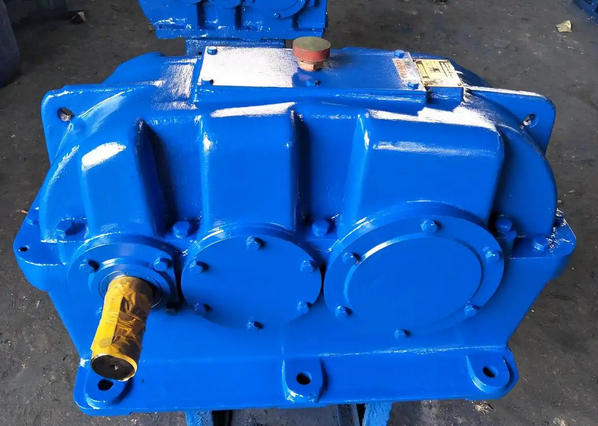
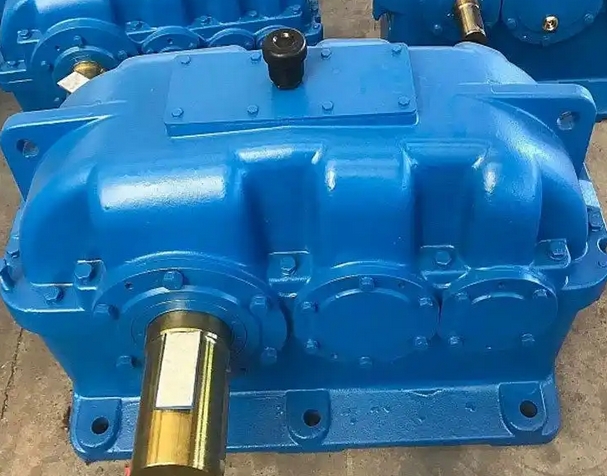
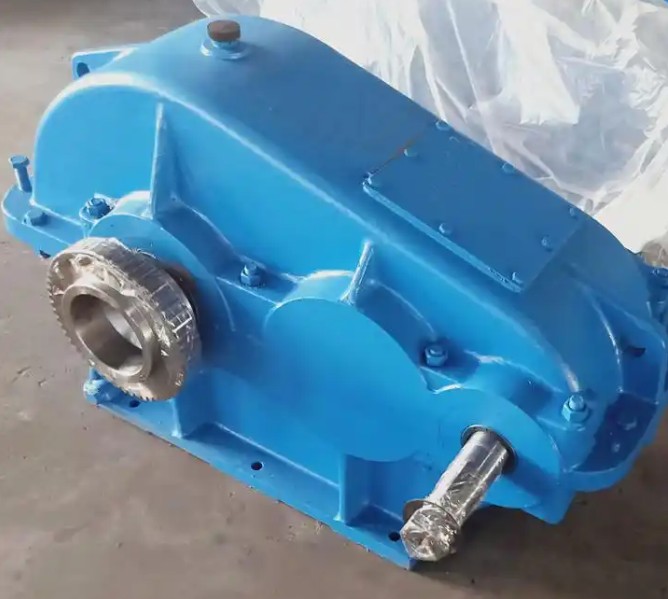
The heat sink of JZQ500 soft tooth surface cylindrical gear reducer is the core component of forced convection heat dissipation. By increasing the surface area of the box to accelerate heat dissipation, the temperature of the reducer during operation is ensured to be within a safe range. Loose or damaged heat sinks can directly damage the functionality of the heat dissipation system, causing chain failures and having multiple negative impacts on equipment operation, as follows:1. The temperature rise of the reducer is abnormally high, accelerating the deterioration and failure of the lubricating oil
After the heat sink becomes loose or damaged, the effective heat dissipation area of the gearbox housing is significantly reduced, and the heat generated by gear meshing and bearing operation cannot be dissipated into the air in a timely manner, resulting in a continuous increase in temperature inside the housing. When the JZQ500 reducer is running normally, the machine base temperature should be ≤ 80 ℃, and the temperature rise should be ≤ 40K. After the heat sink fails, the machine base temperature may exceed 90 ℃, or even reach over 100 ℃. High temperature can accelerate the oxidation, carbonization, and deterioration of lubricating oil, leading to a decrease in viscosity and a sharp decline in lubrication performance. The oil is prone to produce gel like precipitates and carbon slag, which can mix into the friction surfaces of gears and bearings, causing abrasive wear and further exacerbating component damage. At the same time, high temperature will also lead to foam of lubricating oil, which will damage the continuity of oil film and cause dry or semi dry friction between gears and bearings.
2. The wear of the gear pair intensifies, shortening the service life of the core components
Soft tooth surface gears (tooth surface hardness ≤ 350HB) have weaker wear resistance and are more sensitive to lubrication conditions and operating temperatures. The high temperature and lubricating oil degradation caused by heat dissipation failure can directly damage the oil film on the gear tooth surface, resulting in a significant increase in contact stress and sliding friction coefficient, leading to faults such as bonding, pitting, and wear on the tooth surface. The initial manifestation is an increase in gear meshing noise and vibration, and a rapid increase in tooth thickness wear in the middle stage. When the wear exceeds 5% of the original tooth thickness, the gear meshing clearance exceeds the standard, the transmission accuracy decreases, and it is highly likely to cause tooth root fracture. Under normal operating conditions, the design life of the JZQ500 soft tooth surface gear pair can reach 8000-12000 hours. After the heat sink fails, the service life of the gear pair may be shortened to 30% -40% of the original design, and even scrapped in a short period of time.
3. Bearing overheating failure, damaging the stability of shaft system operation
High temperature environment will accelerate the aging and deterioration of bearing grease, resulting in insufficient lubrication between the bearing raceway and the ball (roller), increased frictional resistance, and further increase in bearing temperature rise, forming a vicious cycle of "temperature rise lubrication failure higher temperature rise". Excessive bearing temperature can cause thermal deformation of the raceway and ball bearings, excessive radial and axial clearances, decreased operating accuracy, and eccentric oscillation and axial play at the shaft end. This kind of oscillation will amplify the misalignment deviation of gear meshing and exacerbate gear wear; At the same time, bearing overheating can also cause faults such as track peeling, ball breakage, and cage deformation, ultimately leading to bearing locking and erosion. If bearing failure is not detected in a timely manner, it can also cause damage to the shaft neck and bearing seat, leading to more serious equipment failures.
Related News