
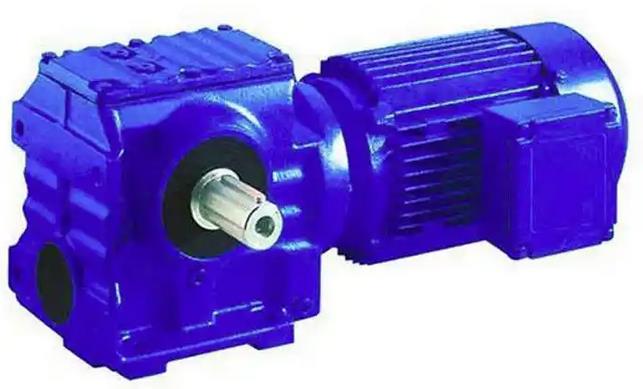
Textile enterprises reduce costs and increase efficiency! Energy saving transformation of gearbox, energy-saving and durable
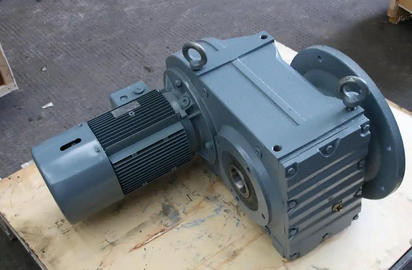
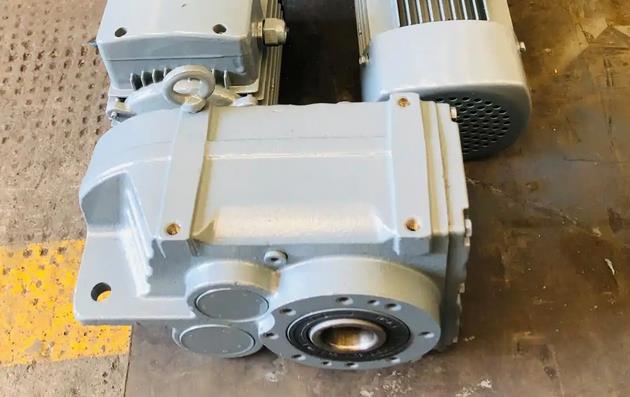
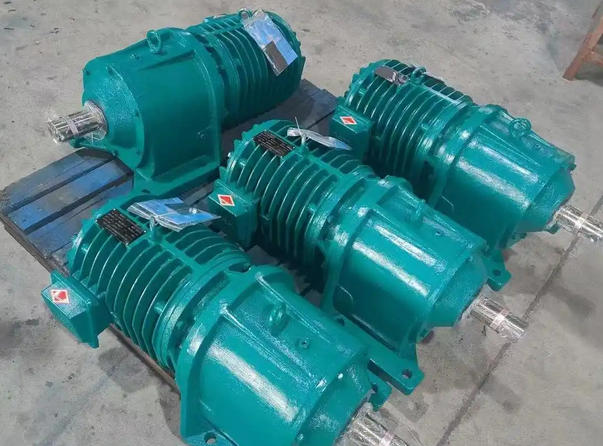
The labor and energy costs in the textile industry have been increasing year by year, and cost reduction and efficiency improvement have become the core needs of major textile factories. Many companies only focus on equipment, water and electricity energy conservation, but ignore the low-cost and high return way of energy-saving transformation of reducers. Old, inefficient, and improperly selected reducers not only consume high power and have a high failure rate, but also drag down the efficiency of the entire production line. Reasonably transforming the gearbox can effectively reduce energy consumption, minimize malfunctions, and increase production capacity, with extremely high cost-effectiveness.Firstly, replace old and inefficient models and upgrade textile specific high-efficiency reducers. Many old workshops still use general-purpose reducers and outdated worm gear models from many years ago, which have low transmission efficiency, convert a large amount of electrical energy into heat energy, suffer from vibration losses, and consume a lot of electricity. The JWF series, a new type of cycloidal pinwheel textile specific reducer, has high transmission efficiency, low power loss, and more precise power transmission. It can reduce ineffective energy consumption by 10% -20% under the same production capacity, and has a significant energy-saving effect during long-term operation.
Secondly, accurately match the transmission ratio to prevent power waste. Many enterprises have the problem of "big horses pulling small cars", with excessive transmission ratio and torque of reducers, high energy consumption during equipment operation, and serious power waste. During energy-saving renovation, the corresponding transmission ratio and power of the reducer are accurately matched based on the actual working conditions, operating speed, and load requirements of the equipment, so that the power output is precisely adapted to production needs, reducing ineffective energy consumption and improving power utilization.
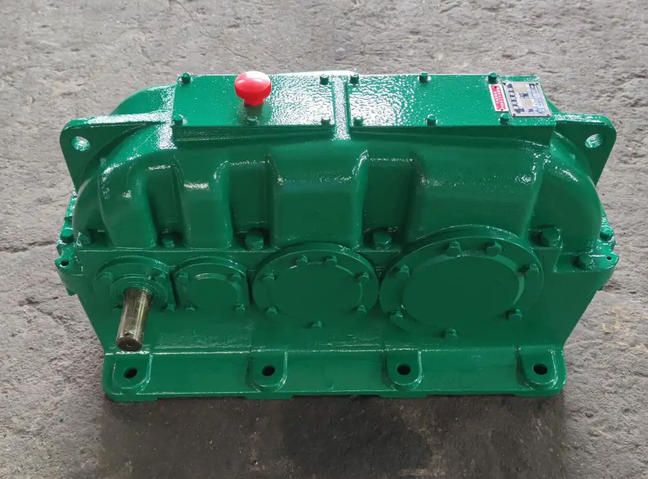
Thirdly, optimize lubrication and heat dissipation to reduce operational losses. Deterioration of lubricating oil and poor heat dissipation can increase the operating resistance and energy consumption of the gearbox, while accelerating the wear of accessories. During the renovation process, specialized lubricating oil with high temperature resistance and low resistance is uniformly replaced, the equipment's heat dissipation structure is optimized, heat dissipation blockages are cleared, and the frictional resistance of equipment operation is reduced. This not only saves electricity, but also reduces the frequency of failures and extends the equipment's lifespan.
Fourth, eliminate overloaded models and reduce failure losses. In order to increase production capacity, some workshops allow low-power reducers to operate under heavy loads for a long time, which not only increases energy consumption, but also frequently causes malfunctions and shutdowns for maintenance, resulting in a large amount of hidden costs. During the renovation, the equipment was replaced with a high torque specialized model that is suitable for heavy load conditions. This made the operation of the equipment easier, energy consumption lower, and the failure rate significantly reduced, reducing downtime and maintenance costs.
Fifth, regularly calibrate equipment accuracy to improve production yield. Inefficient and severely worn reducers have poor transmission accuracy, resulting in a high fabric defect rate and serious waste of raw materials. After the transformation and upgrading of high-precision reducers, the synchronization and stability of equipment transmission have been greatly improved, and the fabric defect rate has significantly decreased, reducing raw material waste and indirectly achieving cost reduction and efficiency improvement.
The energy-saving transformation of reducers does not require large investment, but can achieve multiple benefits such as energy saving, fault reduction, quality improvement, and loss reduction. It is a high-quality solution for textile enterprises to optimize production lines at low cost and enhance core competitiveness.
Related News