
Key Points for Dustproof Maintenance of the Sizing Machine Reducer
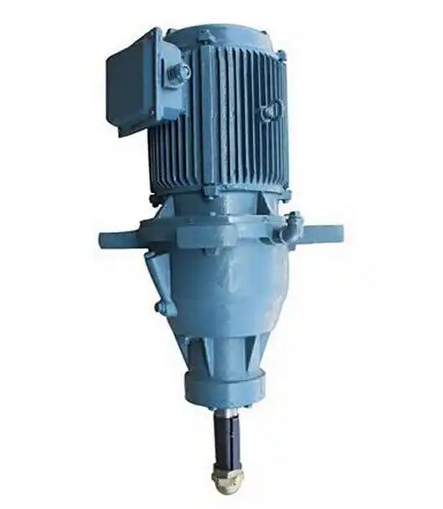
1. External cleaning and heat dissipation guaranteeRegularly clean cotton wool: There is a lot of fiber dust in the textile workshop, and cotton wool is prone to block the heat dissipation channel of the reducer. It is necessary to regularly clean the cotton and debris around the reducer housing, heat sink, and cooling fan to ensure good heat dissipation of the equipment and prevent the body from becoming hot or the lubricating oil from deteriorating due to heat accumulation.
Installation of protective devices: If conditions permit, it is recommended to install a dust cover outside the reducer to significantly reduce the direct attachment and entry of cotton fibers into the equipment.
2. Seals and structural protection
Preferred wear-resistant seal: Cotton wool is prone to drilling into gaps and damaging oil seals, leading to oil leakage. It is recommended to choose a double lip oil seal with better wear resistance, and ensure that the output shaft surface is smooth and has sufficient hardness to prevent seal failure after the shaft surface is worn.
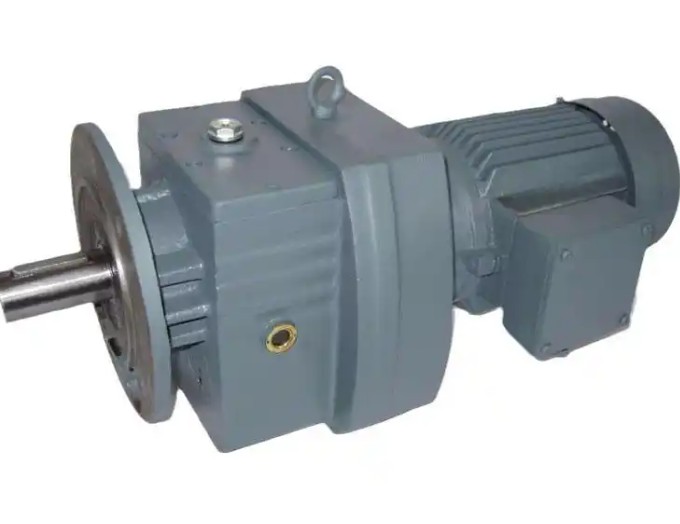
Check the status of the respirator: Regularly check whether the reducer respirator is unobstructed and not blocked. Blockage of the respirator can cause an abnormal increase in pressure inside the box, leading to oil leakage or inhalation of external pollutants.
Tighten the box bolts: Regularly (such as monthly) check and tighten key fasteners such as box connection bolts and bearing end cap bolts to prevent loosening caused by vibration and worsening oil leakage.
3. Lubrication management and internal anti fouling
Strictly control the oil quality and level: check the oil level and quality of the gear oil daily. If the oil is found to be emulsified, blackened, turbid, or mixed with a large amount of metal shavings and impurities, it should be replaced and treated in a timely manner.
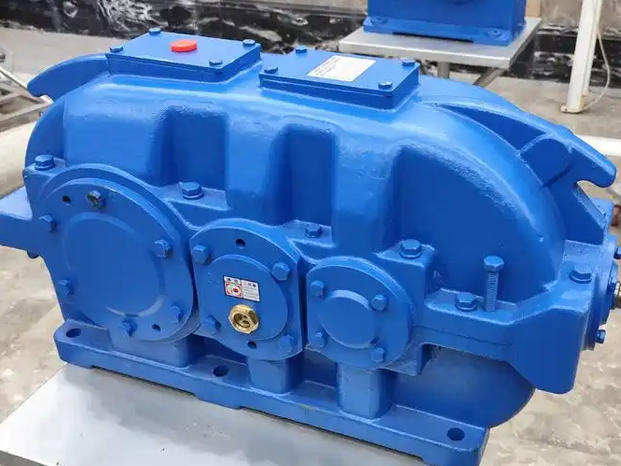
Standardized oil change operation: When changing oil, it is necessary to thoroughly drain the old oil and keep it clean during the refueling process to prevent impurities such as cotton wool from entering the gearbox during oil change.
Clean up internal debris: If there is abnormal noise during equipment operation, the end cover should be opened after shutting down and cutting off the power to thoroughly clean the fibers and dust impurities inside to prevent gear meshing from jamming.
4. Operation and maintenance security and standards
Power off and shutdown operations: All cleaning, inspection, and maintenance operations (especially when involving opening end caps or contacting rotating parts) must completely cut off the power source, and ensure safety protection with power-off and lock out/tag out (LOTO).
Coordinated control of temperature and humidity: High temperatures (over 35 ℃) in summer can cause a decrease in lubricant viscosity. It is recommended to control the workshop temperature within a reasonable range (such as 26-28 ℃) and the relative humidity below 60% to slow down lubricant deterioration and insulation material aging.
Related News