
How to choose a suitable reducer for filling machinery
To select a suitable reducer for filling machinery, it is necessary to comprehensively consider the operating characteristics, accuracy requirements, and installation space of the equipment. The following is a systematic selection guide:1、 Clarify core requirements and operating conditions
1. Working characteristics: Filling machines usually have high operating frequency and frequent start stop, so the requirements for the start stop response speed and fatigue resistance of the reducer are extremely high.
2. Load type: It is necessary to confirm whether it is light load (such as conventional liquid filling) or heavy load (such as paste or viscous materials), and evaluate whether it is accompanied by impact load.
3. Operating environment: Considering the hygiene requirements of the food/beverage industry, is it necessary to have a design that is corrosion-resistant, easy to clean, low-noise, and has no risk of oil leakage.
2、 Match the five core parameters
1. Reduction ratio: calculated based on "input speed/output speed". If the filling head requires high torque and low-speed operation, choose a large reduction ratio; If pursuing high-frequency and fast filling, choose a medium to small reduction ratio (3-20).
2. Torque bearing: Ensure that the load torque is ≤ rated torque × service factor (generally taken as 1.2-1.5). For frequent start stop scenarios, it is also necessary to verify the peak torque capability.
3. Transmission accuracy: measured by return clearance (backlash). It is recommended to choose high-precision models with ≤ 3 arc minutes for high-precision positioning servo filling equipment; Ordinary conveyor belts and other low precision models with>8 arc minutes can be selected.
4. Motor power: The size of the reducer base should be strictly matched with the motor power to avoid power waste or overload damage.
5. Installation space: Choose installation forms such as foot type, flange type, hollow shaft or right angle type according to the equipment layout.
3、 Recommended common types of reducers
1. Planetary reducer: suitable for high-precision filling and sealing, frequent start stop workstations. Its transmission accuracy is high (with minimal return clearance), efficiency reaches over 95%, and strong load-bearing capacity, making it an ideal choice for automated filling lines.
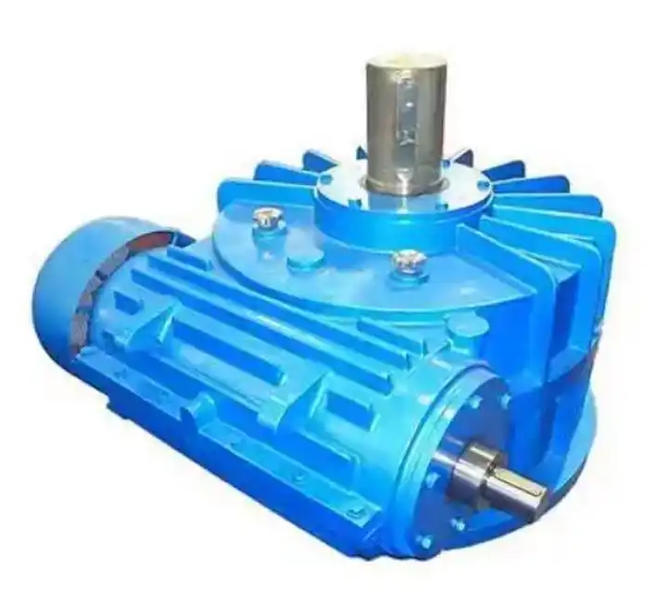
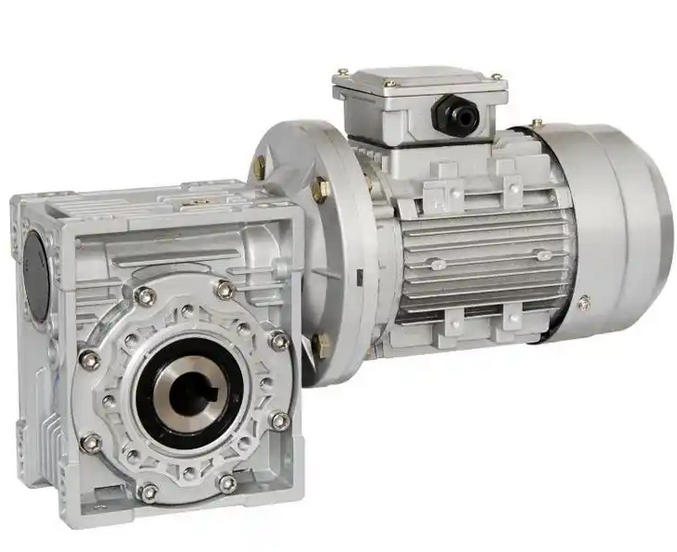
2. RV series worm gear reducer: suitable for continuous operation and limited space scenarios such as small and medium-sized filling machines and conveyor belts. It has the characteristics of compact structure, smooth transmission, and low noise, and some models have power-off self-locking function.
3. Spiral gear reducer: suitable for continuous operation on assembly lines, with smooth transmission, high efficiency (up to 94% -98%), low noise, and good durability.
Related News