
R. Comparison of Differences and Applicable Scenarios of Conveyor Reducers in the F, K, and S Series
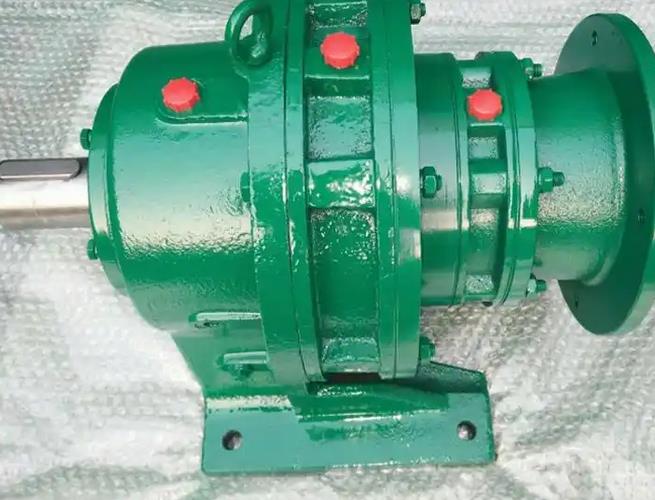
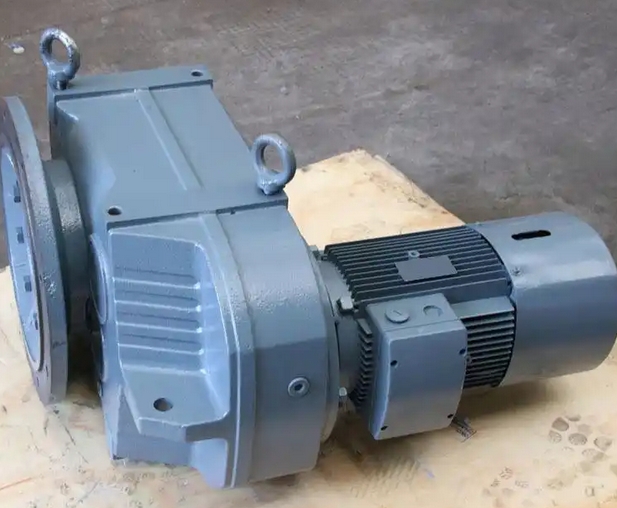
The commonly used reducers for industrial conveyors are mainly divided into four series: R, F, K, and S. Many procurement and technical personnel cannot distinguish the differences between the four models, and blindly use them for selection, resulting in poor equipment adaptability and frequent failures. Today, we will comprehensively compare the structure, performance, and applicable scenarios of the four major series of reducers, and make precise selections.R series helical gear reducer: simple and compact structure, high transmission efficiency, low noise, stable speed, and the strongest universality. Suitable for various types of light and medium-sized conveyors, such as belt conveyors, light drum lines, and logistics sorting lines, suitable for routine continuous operations without strong impact, with high cost-effectiveness and simple maintenance.
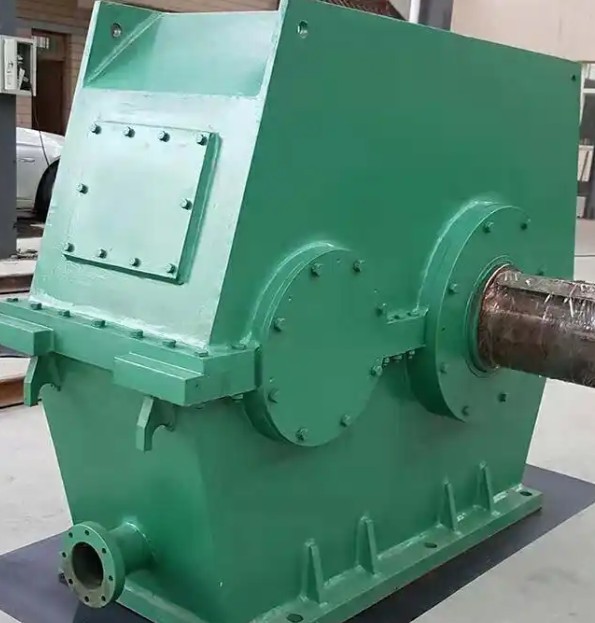
F-series parallel axis helical gear reducer: The output shaft is a parallel structure, with strong installation adaptability, greater torque, stronger bearing capacity, and good transmission synchronization. Commonly used for heavy-duty drum conveyors, pallet conveyors, and long-distance belt conveyors, suitable for synchronous transmission of multiple devices and stable heavy-duty conveying scenarios.
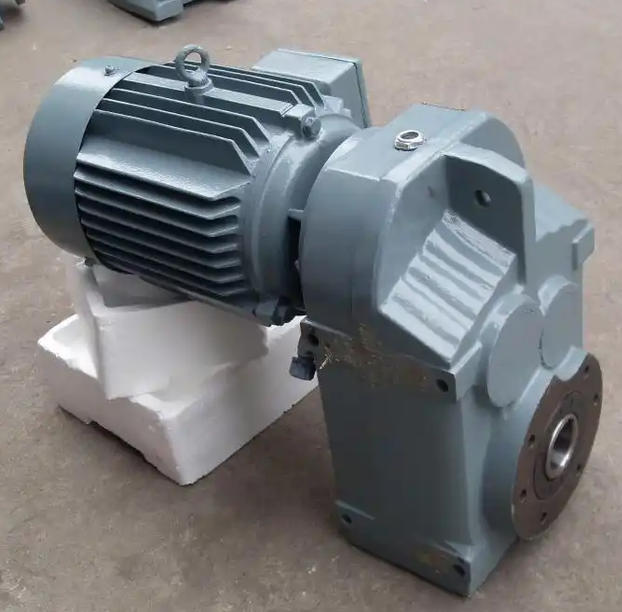
K series bevel gear helical gear reducer: adopts bevel gear transmission, can change the direction of power output, has excellent impact resistance and heavy load performance, and strong structural rigidity. Mainly suitable for heavy-duty conveyors in mines and building materials, vertical hoists, and large angle belt conveyors, to cope with strong impact, high load, and complex installation conditions.
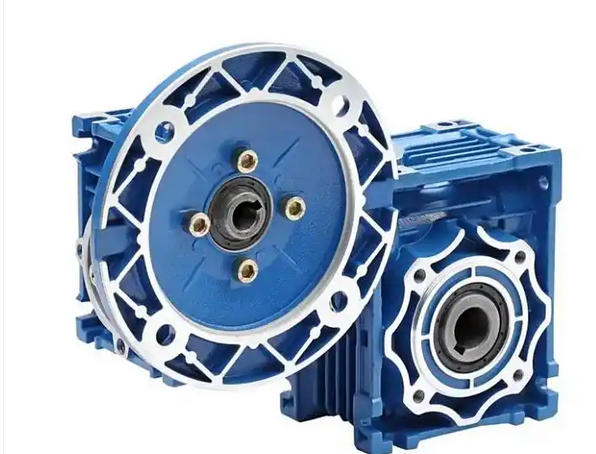
S series worm gear reducer: good self-locking performance, compact size, low price, large reduction ratio, and smooth operation. Suitable for light low-speed conveyors, inclined conveying equipment, and small elevators, with self-locking function to prevent equipment from stopping and reversing, high safety, but slightly low transmission efficiency, not suitable for 24-hour continuous heavy load operation.
Simple summary: Choose the R series for conventional use, the F series for heavy-duty synchronization, the K series for complex heavy-duty use, and the S series for lightweight self-locking. Match according to needs and accurately adapt to working conditions.