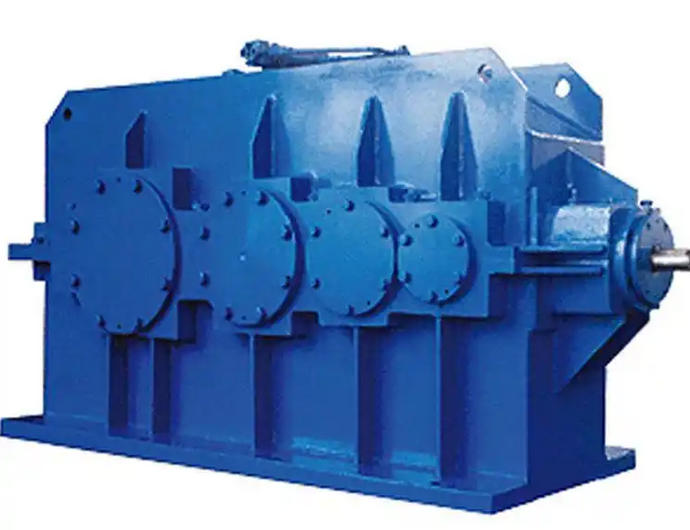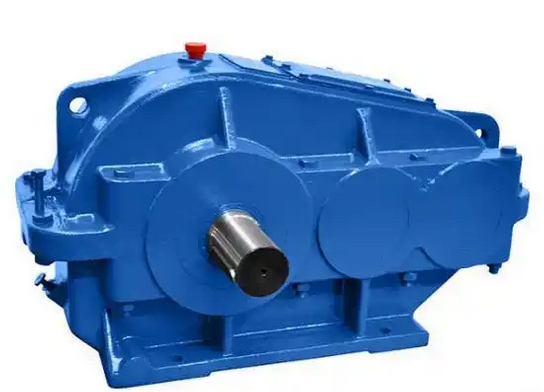

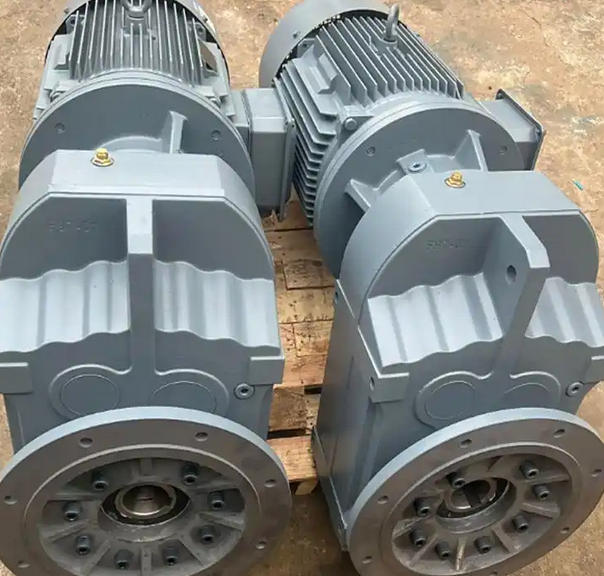
Which is more durable, a hard tooth reducer or a soft tooth reducer
Under the same installation, lubrication, and operating conditions, hard tooth surface reducers are much more durable than soft tooth surface reducers, which is determined by their tooth surface hardness and material processing technology.1. Core determining factors: tooth surface hardness and failure resistance
Soft tooth surface gears have a hardness of ≤ 350HBW, with soft tooth surfaces that are prone to wear, pitting, and plastic deformation. These failures are gradual and can quickly reduce transmission performance;
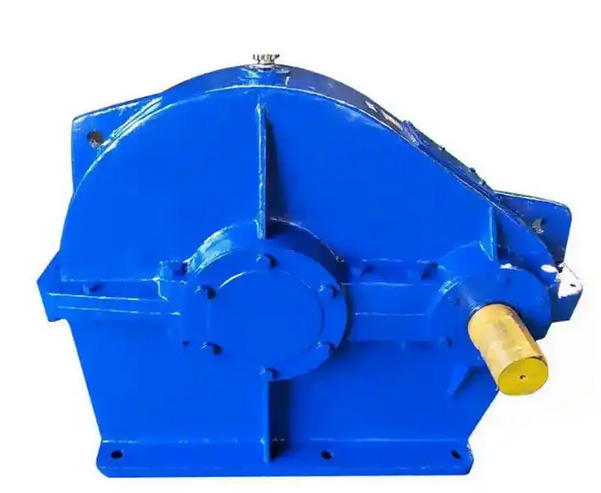
The hardness of hard tooth surface gears reaches 45~62HRC, which is more than twice that of soft tooth surfaces. The ability to resist wear, pitting, fatigue, and impact is greatly improved, and the tooth surface itself is extremely difficult to fail. The core foundation of durability is more solid.
2. Differences in durability performance under actual working conditions
① Stable working condition: The soft tooth surface can be used stably for 5-8 years, after which the tooth surface wear intensifies; Hard tooth surface is stable for 15-20 years, and the core gear still has no obvious damage
② Under impact/load fluctuation conditions: Soft tooth surfaces may experience pitting, tooth biting, and even plastic deformation within 3-5 years; Hard tooth surfaces can withstand impact and have a service life of over 10 years
③ Long term continuous operation condition: Long term operation of soft tooth surfaces will accelerate tooth surface fatigue, requiring major repairs and gear replacement after 6-8 years; Hard tooth surface can operate continuously for 24 hours and still function normally for more than 15 years, with most faults occurring in the bearings rather than the gear body
3. The key prerequisite for durability is indispensable
The durability advantage of hard tooth surfaces must meet installation and lubrication standards, otherwise they will be "not durable"
① Installation accuracy: The hard tooth surface requires extremely high coaxiality and levelness, and the installation deviation is large, which can lead to local stress concentration and easily cause tooth breakage and collapse, resulting in a sudden drop in durability; Soft tooth surfaces have high tolerance for installation accuracy, but large deviations can also accelerate wear and tear
② Lubrication conditions: The hard tooth surface needs to be cleaned with high-quality gear oil with matching viscosity. Lubrication failure can cause tooth surface adhesion; Soft teeth have slightly lower requirements for lubricating oil, but if lubrication is not in place, they will wear out quickly and their performance will be irreversible after wear
③ Working condition matching: Under over rated load, the hard tooth surface may break directly, while the soft tooth surface will wear and deform first. However, if the load is within the rated range, the durability of the hard tooth surface will crush the soft tooth surface
4. Add 2 easily confused points to help you accurately judge durability
① Durability ≠ Overload resistance and fault tolerance: Soft tooth surface and tooth surface are soft, and they will wear and deform first when overloaded, with a certain degree of buffering; Hard tooth surfaces have high hardness and are prone to brittle fracture under overload, but under normal working conditions, the durability of hard tooth surfaces is 2-3 times that of soft tooth surfaces
② Durable ≠ easy to repair: After the soft tooth surface wears out, it can be repaired by welding, but it only treats the symptoms without addressing the root cause, and the durability decreases after repair; Hard tooth surfaces rarely fail, and once they break, they cannot be repaired. However, this situation rarely occurs, and the overall service is more stable and durable
5. Scene verification of durability logic
Suitable for low-speed light load and intermittent operation scenarios (small conveyors, agricultural machinery), the durability of the soft tooth surface can meet the requirements;
Suitable for high-speed heavy-duty, 24-hour continuous operation, and harsh working conditions (metallurgy, mining, lifting equipment), only hard tooth surfaces can meet durability requirements, while soft tooth surfaces will quickly fail.