
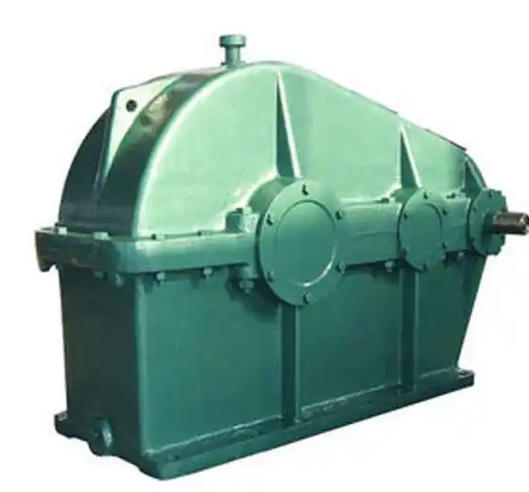
How to determine whether ZL soft tooth surface gear reducer has insufficient power due to high temperature
1. Monitor the temperature of key partsTemperature is the most direct indicator reflecting the working condition of the gearbox. Preliminary judgments can be made through precise temperature measurement or tactile sensation using instruments
Shell and bearing temperature: During normal operation, the surface temperature of the gearbox shell should be ≤ 70 ℃, and the temperature of the bearing end cover should be ≤ 80 ℃. If the temperature of the shell reaches 70-85 ℃, it indicates that it has entered the overheating warning zone; If it exceeds 90 ℃ (immediately retract hands upon touch), it is considered severe overheating and must be stopped immediately.
Internal oil temperature: The internal lubricating oil temperature should be controlled below 80 ℃, and the maximum should not exceed 90 ℃. When the oil temperature exceeds 90 ℃, the oxidation rate of lubricating oil accelerates sharply, and the lubrication and cooling performance decreases significantly. At this time, the output power (thermal power) of the reducer will become very small, resulting in the equipment being in a state of "big horse pulling small car" energy waste.
Temperature rise trend: The normal temperature rise (shell temperature minus ambient temperature) should be ≤ 40 ℃. If the temperature rise reaches 40-50 ℃, the cause needs to be investigated. If it exceeds 50 ℃ or the temperature rises by more than 30 ℃ within half an hour, it is considered a precursor to abnormal overheating.
2. Observe the operating conditions and load performance
High temperature will directly weaken the load-bearing capacity of the gearbox, and the following abnormalities will be exhibited during operation:
Rapid heating at full load: If the temperature rises rapidly under rated load in a short period of time, or if it becomes severely hot under no-load conditions, it indicates that heat dissipation is obstructed or internal friction is intensified, and the thermal power cannot meet the current mechanical power demand.
Motor overload linkage: Due to increased friction or jamming inside the reducer, the vibration of the machine body will increase, and at the same time, the operating current of the motor will increase, resulting in a linkage phenomenon of motor overload and heating.
3. Check the lubrication status and accompanying phenomena
High temperature can accelerate the aging of lubricating oil and seals, and observing these accessory components can assist in determining:
Odor and oil condition: If a burnt oil or plastic smell is emitted, it indicates that the lubricating grease or oil seal has aged due to high temperature. At the same time, observe the oil. If it turns black, foams, or contains metal debris, it indicates that the oil has been severely oxidized and there is wear inside.
Oil leakage and abnormal noise: High temperature can cause an increase in internal pressure, accelerate the failure of seals, and cause oil leakage from oil seals or joint surfaces of the casing. In addition, if accompanied by sharp metal friction sounds, periodic clicking sounds, or whistling, and the noise becomes more pronounced with increasing load, it usually means that poor gear meshing or bearing damage has caused local high temperatures.
4. Check the heat dissipation and installation environment
External conditions can also limit the thermal power output of the gearbox:
Blocked heat dissipation: Check if there is severe dust accumulation on the reducer housing, forming a thermal insulation layer, or if the installation space is too narrow, sealed, and without ventilation, which prevents heat from dissipating.
Ventilation hole blockage: If the ventilation hole of the reducer is blocked, the internal air will expand and cannot be discharged, which will cause an abnormal increase in pressure inside the box, not only exacerbating the oil stirring resistance and temperature rise, but also causing oil leakage.