
How to deal with the serious problem of oil pollution inside the H series industrial gearbox
1. Immediate shutdown and thorough dischargeOnce serious contamination of gear oil is found, the equipment should be stopped immediately to prevent the deteriorated oil from exacerbating the wear of key components such as gears and bearings during operation. After marking the shutdown, open the drain valve at the bottom of the fuel tank and drain all the deteriorated oil inside. If there is a lot of residual sludge and impurities in the fuel tank, special tools should be used for cleaning to ensure that there is no obvious residue.
2. Comprehensive cleaning of the system
After discharging the old oil, it is necessary to thoroughly clean the inside of the gearbox and the oil circulation pipeline. It is recommended to use gear oil of the same model as the new oil or specialized cleaning oil for flushing. During flushing, the equipment can be started to idle for 10-15 minutes to fully circulate the cleaning oil and remove residual impurities and deteriorated oil film. After flushing, drain the cleaning oil and check the internal cleanliness; If there are still impurities, repeat this cleaning step until it meets the standard.
3. Check the status of equipment components
After cleaning, it is necessary to conduct a detailed inspection of core components such as gears, bearings, and seals to check for wear, corrosion, or deformation. If a component is found to be damaged, it must be replaced in a timely manner to avoid further oil contamination or equipment failure due to issues with the component itself after installing new oil.
4. Replace with new oil and conduct initial monitoring
Select the appropriate new gear oil according to the equipment requirements, and use cleaning tools to filter it when adding to prevent the new oil from mixing with pollutants. The oil level should be strictly controlled within the range specified by the equipment. After adding, start the device and let it idle for a short period of 5-10 minutes to observe if the oil circulation is normal and if there are any abnormal noises from the device. It is recommended to check the oil status and equipment operation once a day for the first two weeks after replacing the new oil, and resume the normal inspection cycle after confirming that everything is stable.
5. Introduce professional oil purification technology (for severe pollution)
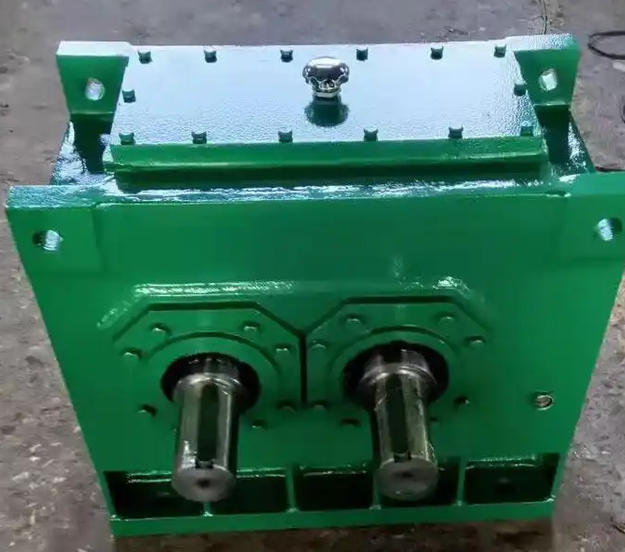
For gearboxes with extremely serious pollution, in addition to traditional emissions and cleaning, professional oil purification equipment can also be considered for treatment. For example, by using electrostatic oil purifiers, balanced charge oil purifiers, or dual separation technologies, these devices can effectively intercept metal wear particles, emulsify and dehydrate, and deeply remove oxidation products and sludge, restoring the cleanliness and physicochemical properties of the oil to qualified standards, thereby extending the service life of the oil and reducing equipment wear.
6. Establish a long-term prevention mechanism
To avoid serious oil contamination again, it is necessary to strengthen daily preventive management. Keep the operating environment of the equipment clean and dry, and regularly clean the surrounding oil stains and dust; Regularly check the oil level, oil color, and sealing condition, and clean or replace the filter screen and filter on time; At the same time, strictly monitor the operating conditions of the equipment to avoid long-term overload operation that may cause high oil temperature (generally not exceeding 80 ℃), and perform oil change and maintenance strictly according to the prescribed cycle.
Related News