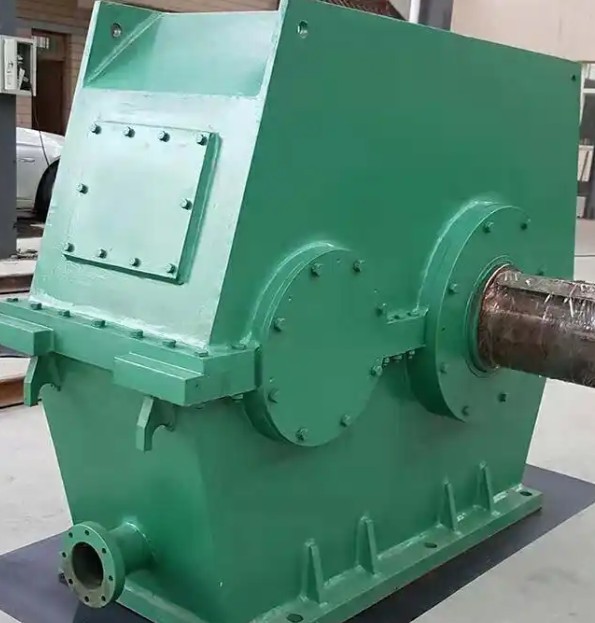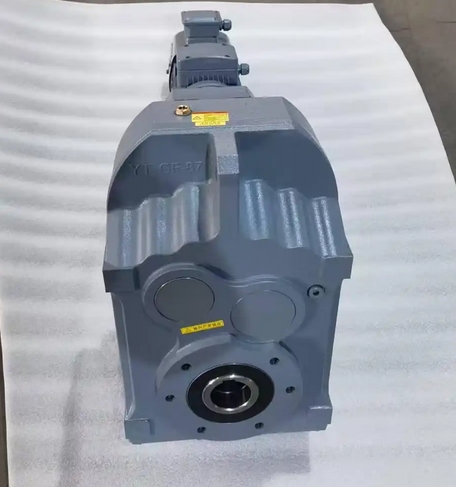

Besides lubrication methods, what other factors can affect the performance of DBY series reducers
1、 Load and selection matching factorsImpact load and service coefficient: The first stage spiral bevel gear of DBY has weak impact resistance, which can cause instantaneous impacts such as material jamming and emergency braking in bucket elevators. If the selection is not multiplied by the corresponding service coefficient, it will directly exceed the gear strength margin, resulting in early pitting and tooth breakage of the bevel gear.
Match between torque and speed ratio: Under the same power, the lower the speed, the greater the output torque. If the rated output torque corresponding to the speed ratio is ignored, even if the motor power is matched, gears and bearings will still be damaged due to low-speed shaft overload.
Integrity of thermal power verification: The DBY casing is limited by the bevel gear cavity and has weaker heat dissipation conditions than parallel axis reducers. When running continuously for 24 hours, only checking the mechanical power without checking the thermal power can lead to continuous increase in oil temperature, failure of lubricating oil, and rapid wear of tooth surfaces and bearings.
Additional radial/axial load: The additional radial force generated by the installation of large-diameter pulleys and other components on the shaft end, if not calculated in advance, can cause premature fatigue damage to the bearings and output shaft.
2、 Manufacturing and assembly accuracy factors
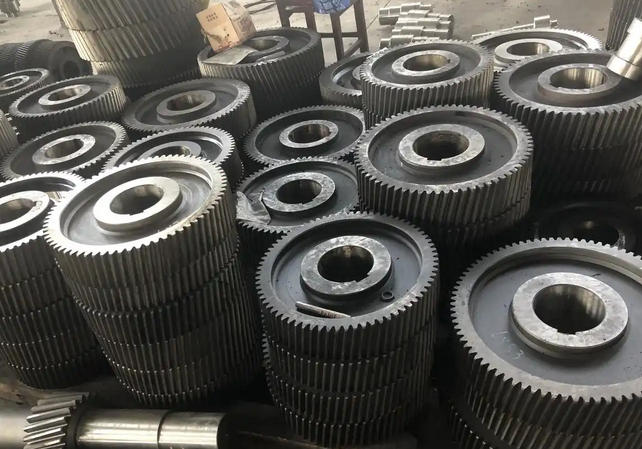
Gear processing and heat treatment quality: If the gear does not meet the requirements of HRC58-62 carburizing and quenching hard tooth surface, or the grinding accuracy does not meet the standards, it will lead to increased meshing impact, easy wear and pitting of the tooth surface, and a significant decrease in transmission efficiency.
Box rigidity and machining accuracy: Insufficient design of box reinforcement ribs and excessive flatness of the dividing surface can cause deformation of the box under load, offset of gear center distance, and lead to problems such as tooth surface offset and oil leakage.
Bearing assembly and clearance control: Improper adjustment of bearing clearance can cause vibration and abnormal noise if it is too large, and rapid increase in operating temperature if it is too small, accelerating bearing failure.
Axis alignment accuracy: If the deviation between the input/output shaft and the drive/load equipment exceeds the standard, additional alternating loads will be generated, causing shaft vibration, seal wear and oil leakage.
3、 Working conditions and environmental factors
Environmental temperature and heat dissipation conditions: Long term operation in a high temperature environment above 40 ℃ without the installation of auxiliary heat dissipation devices can lead to a sudden drop in lubricating oil viscosity, oil film rupture, and a doubling of tooth wear rate.
Dust and impurities intrusion: Under high dust conditions, the sealing structure fails, and dust enters the box and mixes with lubricating oil, which will intensify the wear of the tooth surface and bearings and quickly induce pitting failure.
Reverse impact load: When the hoist with a matching backstop stops and slides the material, the reverse impact load generated will exceed the designed bearing range of the gear, causing tooth root bending fatigue fracture.
4、 Operations and management factors
Rigidity of installation base: Insufficient rigidity of the base can cause elastic deformation during loaded operation, which can lead to gear axis displacement, tooth surface bias, and local contact stress surge, resulting in pitting corrosion.
Aging status of seals: After long-term operation, the aging and failure of oil seals and joint surface gaskets can cause oil leakage, and external impurities can invade and damage internal cleanliness, which will chain affect transmission performance.
Regular inspection execution: Failure to conduct oil ferrography analysis and vibration monitoring on a regular basis has prevented early detection of hidden dangers such as gear micro pitting corrosion and excessive bearing clearance. Small problems have quickly evolved into major faults such as gear breakage and shaft holding.
Related News