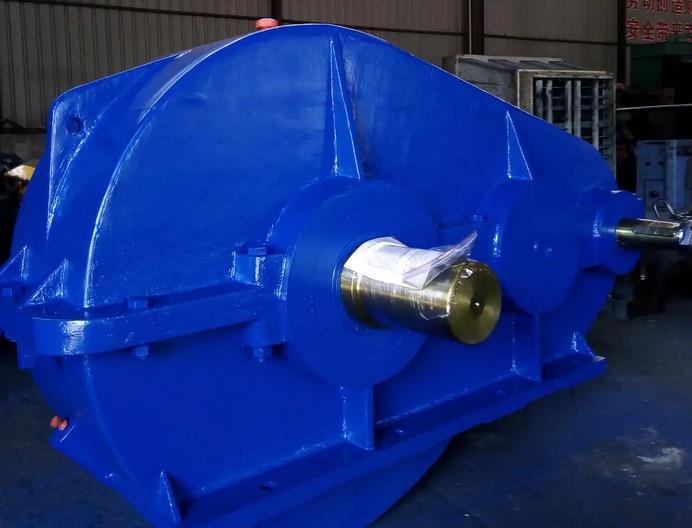


How to choose suitable sensors for vibration detection of gearbox body
Prioritize the use of piezoelectric IEPE acceleration sensors, suitable for high-frequency fault diagnosis of gears, bearings, etc; MEMS acceleration sensors are suitable for low-cost, wireless online monitoring; Magnetic electric velocity sensors are commonly used for evaluating vibration intensity.1、 Select based on measured physical quantities
Acceleration: mainly used for gear wear, tooth breakage, bearing pitting, imbalance, and impact faults, with a frequency range of generally 10Hz~10kHz. It is the most commonly used measurement for gearbox diagnosis.
Speed: Used for overall vibration intensity assessment, foundation looseness, misalignment, frequency 10Hz~2kHz, directly reflecting vibration intensity, in compliance with ISO 10816 standard.
Displacement: Only used for special scenarios such as low-frequency large amplitude and sliding bearing shaft vibration, and is not commonly used for ordinary box detection.
2、 Sensor types and applicable scenarios
1. Piezoelectric IEPE accelerometer sensor
Wide frequency response, high precision, strong anti-interference, simple two-wire wiring, suitable for offline detection and fixed online monitoring of the majority of gearbox bodies, can cover frequency conversion, meshing frequency, and high-frequency characteristics of bearings, and is the preferred choice for industry.
Charge output type acceleration sensors can be used for high temperature conditions, without the need for built-in circuits and with higher temperature resistance.
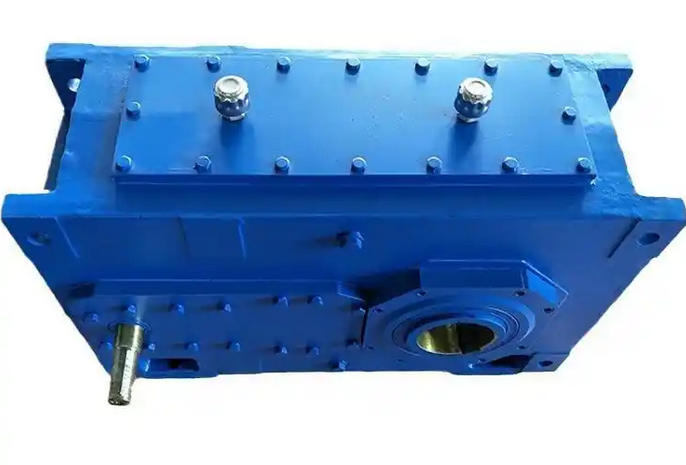
2. MEMS three-axis accelerometer sensor
Small size, low power consumption, and low cost, suitable for batch deployment and wireless IoT monitoring. It can simultaneously collect three-axis vibrations, with a slightly lower high-frequency upper limit than piezoelectric sensors, meeting trend monitoring and conventional fault warning needs.
3. Magneto electric speed sensor
It can directly output speed signals without integration, with good low-frequency characteristics, but with a narrow frequency band and large volume, it is only suitable for vibration intensity monitoring and not suitable for fine fault analysis.
4. Special environmental sensors
Fiber Bragg Grating sensors can be used in strong electromagnetic, high temperature, and corrosive environments; Non contact measurement of shaft vibration can use eddy current sensors, which are generally not used for surface measurement of the box.
Related News