
Precautions for Installing New Seals on WPX147-15-B Worm Gear Reducer
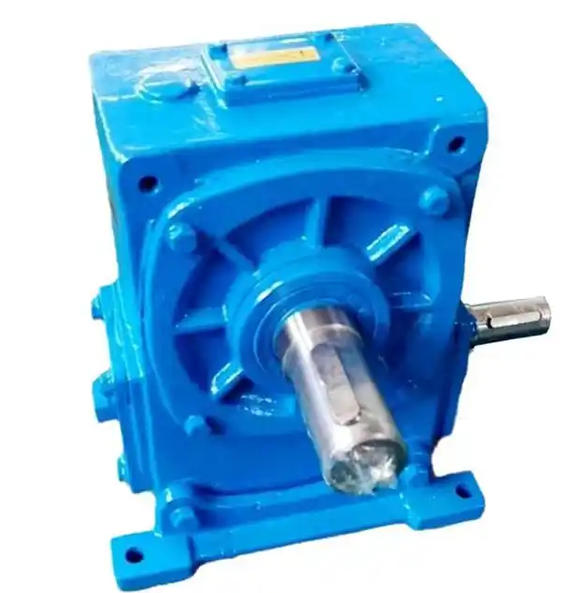
When fitting a new seal to the WPX147-15-B worm gear reducer, follow the precautions listed below:
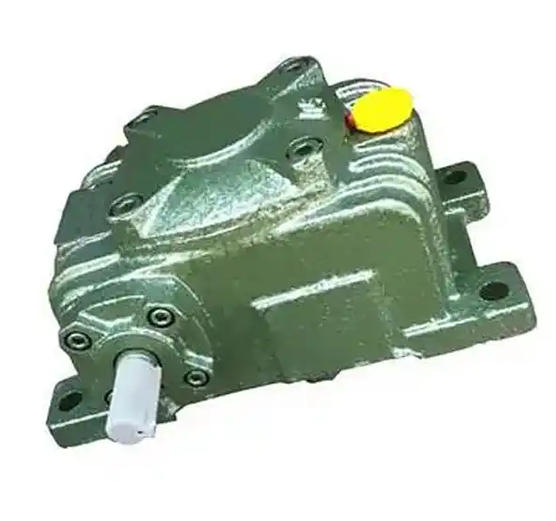
- Pre-installation preparations Verify equipment condition: Confirm the reducer is fully shut down, isolate the power supply, and fit warning tags. This prevents safety hazards triggered by accidental equipment startup during seal fitting work. Inspect seals: Thoroughly examine the new seals for damage, distortion, cracks or other flaws. Verify the part number and dimensions fully match the original seal and suit the gearbox mounting position. Check the mounting area: Measure the shaft diameter with tools like micrometers to guarantee the fit tolerance against the seal inner diameter falls within the required range, normally ±0.05mm. Also inspect the journal surface for scratches, corrosion or wear. Any grooves deeper than 0.1mm must be polished and repaired before installation. Clean parts: Use lint-free cloth soaked in dedicated solvents including acetone or isopropanol to fully clean the journal, seal housing and adjacent surfaces. Focus on removing metal shavings, leftover grease and dust. Do not apply ketone solvents to rubber seals, as these will cause material swelling. Once cleaning completes, spread a thin uniform film of lubricant over the journal surface. Oil of the same grade as the reducer lubricant is recommended. Prepare tools: Get dedicated fitting tools ready, including hydraulic seal installers, guide sleeves and anti-deformation fixtures. Never allow sharp metal tools to touch the seal lip directly. A polyurethane protective sleeve is advised. If the seal interference fit exceeds the rated limit, a constant-temperature heating unit should be available for thermal treatment.
- On-installation precautions Maintain proper alignment: Place the seal flat inside the installer guide sleeve, with the sealing lip oriented toward the lubrication cavity. For double-lip seals, clearly tell apart the primary and secondary lip directions. Use laser alignment tools to check perpendicularity between the seal and shaft; keep deviation under 0.02mm/m. Regulate installation pressure and speed: When operating the hydraulic installer, limit the pressure rise rate to no more than 5MPa/s. Pause pressurization once the seal has advanced roughly one-third into the housing bore, then check for seal misalignment. Correct any offset immediately if found. Resume pressurization until the seal is fully seated, then hold pressure for approximately 10 seconds to ensure the metal shell tightly bonds with the reducer housing. Prevent over-compression or over-stretching: Keep seal compression and elongation within acceptable limits throughout installation. Excessive deformation will destroy seal elasticity and sealing capability. For O-rings, the typical compression ratio ranges from 15% to 30%, with exact values determined by seal material and specifications.