
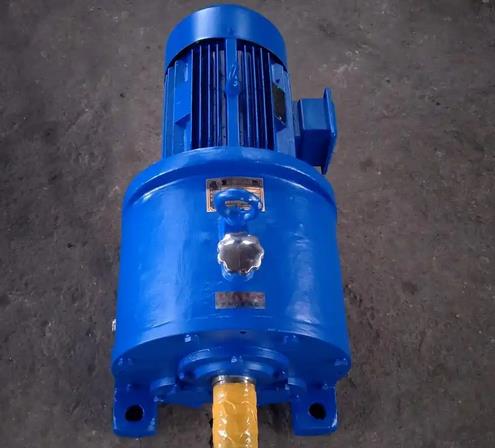
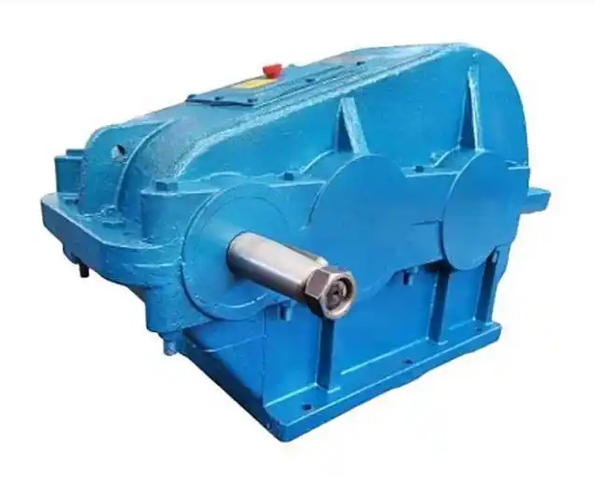
What is the impact of overloading on the service life of ZQ series soft tooth surface reducers
Overloading operation of ZQ reducers (usually referring to soft tooth surface cylindrical gear reducers) can have a serious negative impact on equipment lifespan. Overloading does not always lead to instantaneous damage, but more often causes "fatigue" damage, gradually exhausting the equipment. The specific impact is mainly reflected in the following core aspects:1. Accelerated wear and fatigue failure of core components
Overloading can cause the gears and bearings inside the gearbox to withstand stresses far beyond their design limits. For soft tooth surface reducers like ZQ, the gear hardness is relatively low, and long-term high loads can accelerate plastic deformation and fatigue wear of the tooth surface, making it prone to micro pitting, peeling, and even tooth breakage. At the same time, bearings can also cause indentation on the raceway and deformation of the cage due to overload, which may lead to bearing locking and complete equipment paralysis in severe cases.
2. The lifespan is exponentially shortened
The lifespan loss of the gearbox is not linearly related to torque, but rather close to a cubic relationship. This means that even a slight overload (such as a 20% increase in working torque) may result in a significant decrease in its theoretical lifespan (such as a direct loss of over 40%). Long term overloaded operation can lead to a sharp reduction in the original design life of the equipment, and reducers that could have been used for several years may face scrapping within a few months.
3. Abnormal temperature rise and damage to lubrication system
Overload can lead to increased energy loss, a sharp increase in frictional heat, and a rapid rise in the temperature of the box. High temperature not only accelerates the aging and carbonization of lubricating oil/grease, causing it to lose its proper lubrication performance, but may also lead to seal failure and oil leakage. The destruction of the lubrication environment will further exacerbate the dry wear and tear of components, forming a vicious cycle.
4. Loss of accuracy and unstable operation
Long term overloading can cause an imbalance in the pre tensioning force of the supporting bearings and loose gear meshing, resulting in a significant increase in the backlash (clearance) of the gearbox during the return journey. This will cause abnormal vibration and noise during the operation of the equipment, resulting in inaccurate positioning and decreased transmission efficiency. For systems that require precise control, this instability can seriously affect machining quality and motion stability.
5. Electrical system associated damage
Overloading not only threatens the gearbox itself, but also increases the load and current of the drive motor. This can easily cause the motor to overheat, the insulation material to age, and even burn out. At the same time, excessive temperature and current fluctuations may also affect electrical control system components such as frequency converters and contactors, causing secondary faults.
Suggestions and preventive measures:
To avoid the "hidden killer" effect caused by overloading, it is recommended to strictly reserve sufficient safety factors based on operating conditions when selecting models (usually it is recommended that the rated torque be 2-3 times greater than the equivalent torque); Real time monitoring of current, temperature, and vibration parameters during operation, and establishment of warning mechanisms; And strictly follow the specifications for lubrication maintenance and regular inspection.