
How to determine whether the oil level of DBY280-10-IIS gear reducer is appropriate
Whether the oil level of the DBY280-10-IS gear reducer is appropriate can be checked by stopping the machine and cooling it down, and then checking the oil level gauge or oil level inspection hole. The oil level should be between the "highest" and "lowest" marks as normal. This model is a hard toothed cylindrical gear reducer commonly used in heavy-duty transmission systems. The oil level directly affects lubrication and heat dissipation effects, and should be operated according to specifications.The steps to determine whether the oil level is appropriate are as follows:
1. Shutdown cooling, horizontal inspection
After the equipment is running, the oil temperature rises and the volume expands. It needs to be stopped and left to stand for 30-60 minutes until the oil returns and the temperature drops before testing. At the same time, ensure that the gearbox is installed horizontally to avoid misjudging the oil level due to tilting.
2. Judging through oil level gauge or inspection hole
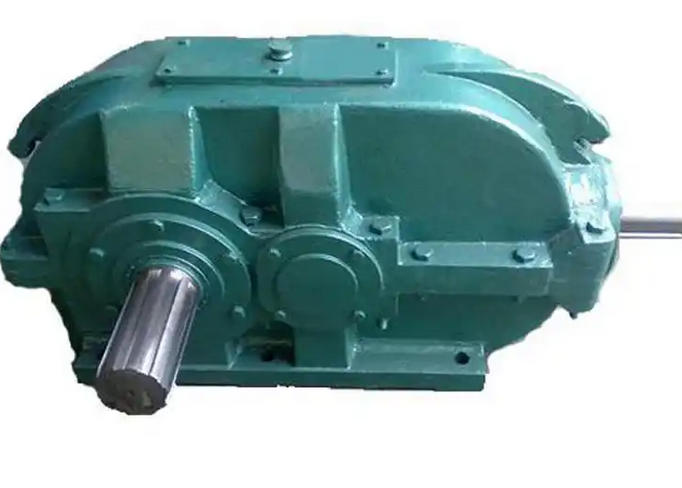
If equipped with an oil level gauge (dipstick): observe whether the oil level is between the "MAX" and "MIN" markings, which is the most direct way.
If there is no oil level gauge or it is unclear: you can unscrew the oil level inspection hole plug on the upper part of the side of the box, insert a clean probe, and the length of the probe in contact with the oil should be within the designed oil level range; Or observe whether there is natural overflow of oil from the orifice. If there is and the liquid level is level with the orifice, then the oil volume is sufficient.
3. Assist in determining the status of oil products
Normal gear oil should be clear and transparent, with a light yellow or amber color, no metal shavings, no emulsification (milky white) or burnt smell. If the oil is cloudy, contains impurities, or has water mixed in, it needs to be replaced even if the oil level is normal.
4. Oil replenishment and drainage operations
Insufficient oil level: Slowly add industrial gear oil (such as L-CKC 220 or 320) that meets the specifications through the oil filling port until the oil overflows from the oil level inspection hole.
Oil level too high: Unscrew the oil drain plug, drain excess oil, and investigate whether it is caused by coolant infiltration, foreign matter mixing, or blockage of the respirator.
5. Daily maintenance suggestions
Record oil level and temperature data every week and establish a monitoring ledger;
Monthly inspection of oil seals, gaskets, and respirators for blockage or aging;
Regularly replace the lubricating oil and clean the sediment in the box after running for 2000-4000 hours or 6 months.