
How to alleviate the high load status of CWS100-63-1 worm gear reducer
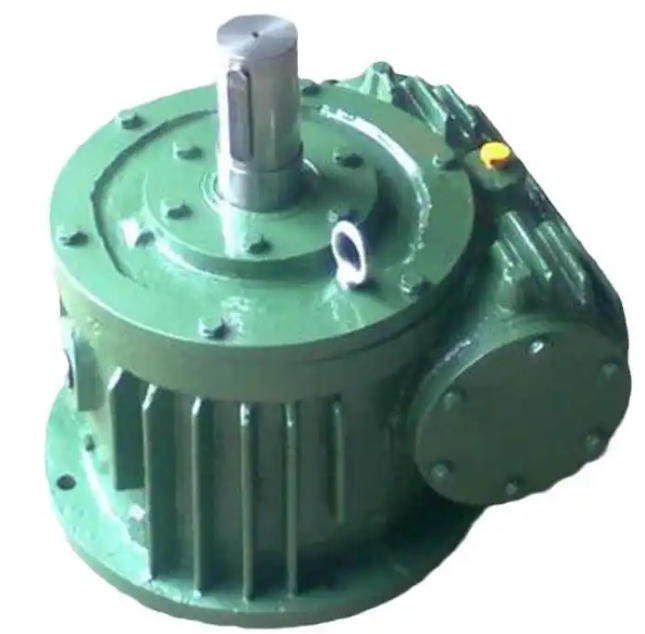
The CWS100-63-1 worm gear reducer is prone to problems such as increased temperature rise, accelerated wear, and decreased transmission efficiency under high load conditions. If not intervened in a timely manner, it may lead to early failure. The most effective mitigation strategy is to comprehensively optimize load management, lubrication system, and heat dissipation conditions, and control frictional heat and mechanical stress from the source. The following are specific response measures:1、 Control the actual load to avoid continuous overload operation
High load is the primary cause of overheating and wear of worm gears, and it is necessary to ensure that the working load is within the design allowable range.
Verify load parameters: Confirm that the output torque does not exceed the rated value (CWS100-63-1 typically has a rated output of approximately 950N · m) through torque sensors or motor current monitoring. If the long-term operating current exceeds 110% of the rated motor, it should be considered as overload.
Avoid instantaneous impact load: For equipment with frequent start stop or sudden load, it is recommended to enable the soft start function of the frequency converter to gradually increase the speed and reduce the impact torque at the moment of starting.
If necessary, upgrade the model: If the process requirements do exceed the current carrying capacity, consider replacing with a larger specification model (such as CWS125 or CWS147), or increasing the number of transmission stages to share the load.
2、 Optimize the lubrication system to enhance the oil film bearing capacity
The worm gear is a sliding friction transmission, and the lubrication state directly determines its reliability under high loads.
Select specialized extreme pressure lubricating oil: It is recommended to use L-CKE/P or L-CKD grade medium load industrial gear oil, and the viscosity is recommended to use 320 # (high temperature heavy load) or 220 # (medium speed light load). It is strictly prohibited to use ordinary engine oil as a substitute.
Maintain moderate oil level: The oil level should be between the upper and lower limits of the oil gauge; Too little oil can lead to insufficient lubrication of the tooth surface, while too much can increase oil mixing losses and exacerbate heating.
Regularly replace lubricating oil: The running in oil should be replaced after the first 500 hours of operation of the new machine, and then every 3000-5000 hours or according to the oil quality test results; Replace the oil immediately if it is found to be emulsified, contains metal shavings, or has significantly decreased viscosity.
3、 Strengthen heat dissipation measures to prevent uncontrolled oil temperature
Friction heat increases dramatically under high loads, and effective heat dissipation is the key to maintaining oil film stability.
Improve ventilation environment: Ensure sufficient space around the reducer (recommended ≥ 200mm), avoid closed installation, and ensure natural convection heat dissipation.
Install forced cooling device:
Small devices can be equipped with heat sinks or fans outside the box to blow the shell;
During continuous heavy load operation, it is advisable to use a circulating oil lubrication system in conjunction with an external cooler (air-cooled or water-cooled) to achieve active control of oil temperature.
Monitoring oil temperature changes: Use an infrared thermometer to regularly detect the surface temperature of the box. The normal temperature rise should not exceed 40 ℃ (i.e. oil temperature - ambient temperature), and the limit should not exceed 80 ℃.
Related News