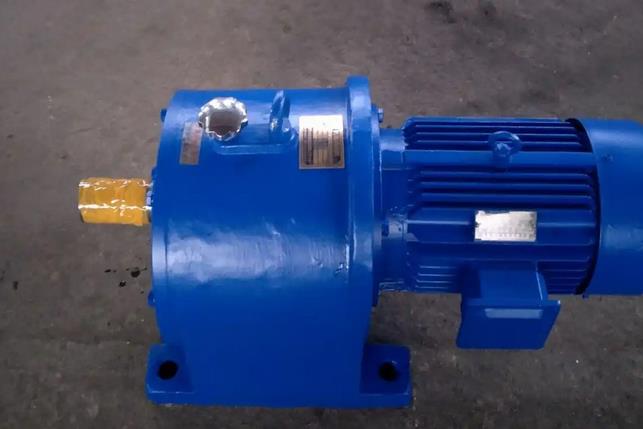

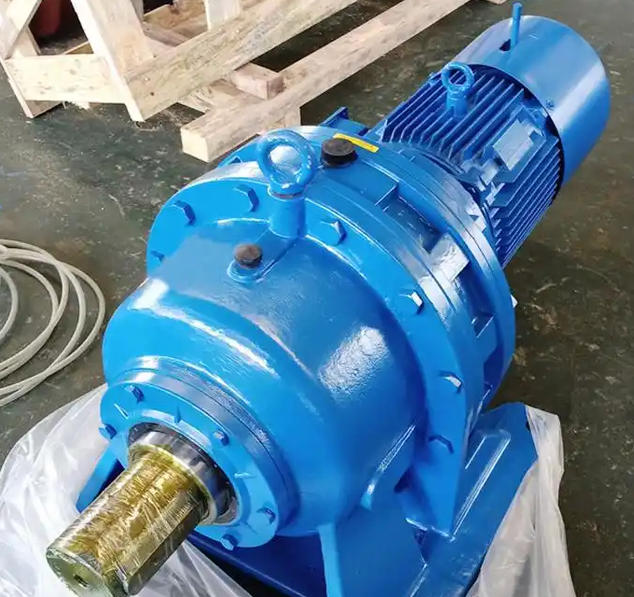
What is the purpose of detecting the natural frequency of the DCY224-31.5-II-S reducer system?
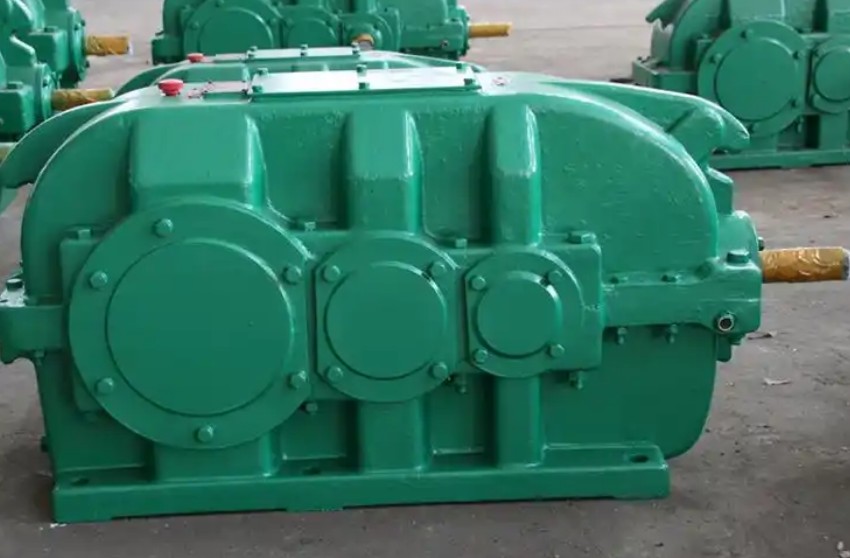
The core purpose of detecting the natural frequency of the DCY224-31.5-II-S reducer system is to grasp its dynamic characteristics, avoid resonance risks, and ensure long-term reliable operation. The DCY series is a hard tooth surface cylindrical gear reducer commonly used in heavy-duty and continuous operation conditions. Natural frequency detection is a key link in its design verification, installation and commissioning, and status monitoring.1、 Core objectives (sorted by importance)
1. Prevent resonance and avoid catastrophic failure
When the excitation frequency of motors, gear meshing, bearings, etc. approaches or equals the natural frequency of the system, resonance will occur, leading to a sharp amplification of vibration and noise, causing serious faults such as gear pitting, tooth breakage, bearing burnout, and box cracking. Detecting the natural frequency can clarify the resonance exclusion zone, guide to avoid critical speed operation, and prevent resonance damage from the source.
2. Evaluate the dynamic stiffness and integrity of the structure
The natural frequency is determined by the system mass, stiffness, and damping. The deviation between the measured frequency and the design value can reflect whether the stiffness of components such as the box, shaft system, and gears meets the standard, whether the assembly is tight, and whether there are structural defects such as cracks or looseness, providing a basis for quality acceptance and structural optimization.
3. Supporting precise fault diagnosis
After establishing a natural frequency reference under normal conditions, abnormal frequency deviation (such as decrease) during operation can quickly locate faults such as shaft cracks, gear wear, bearing failure, and loose foundation, which will change local stiffness and thus alter the system's natural frequency, providing key criteria for early warning and precise maintenance.
4. Optimize vibration reduction and noise reduction design
By combining the natural frequency and modal shape, weak vibration links (such as local parts of the box and bearing seats) can be identified, guiding the optimization of the structure, adding reinforcement ribs, adjusting the support layout or matching damping materials, reducing vibration transmission and radiation noise, and improving NVH performance.
5. Verify design and verify installation boundaries
Compare the measured and simulated natural frequencies, verify the accuracy of the finite element model, and optimize the design; At the same time, detect the frequency changes under different installation foundations (rigid/flexible) and coupling alignment states, verify the influence of installation boundary conditions on dynamic characteristics, and ensure that on-site installation meets design expectations.
6. Ensure long-term operational reliability and lifespan
Avoiding resonance can significantly reduce the amplitude of alternating stress, slow down fatigue damage to gears, shafts, and bearings, extend equipment overhaul cycles and overall service life, reduce unplanned downtime, and improve production continuity.