
What are the applications of NCD710-400-I planetary reducer in the field of shipbuilding and marine engineering?
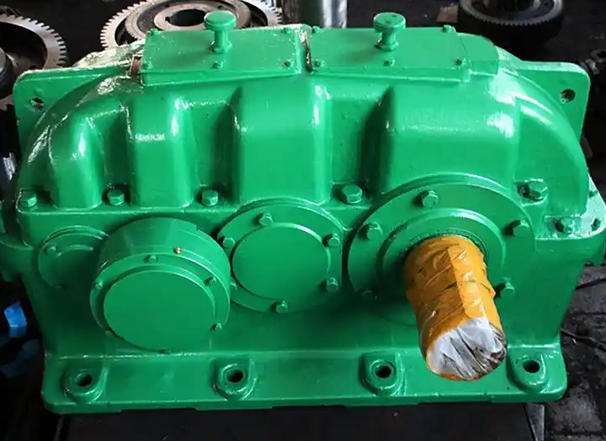
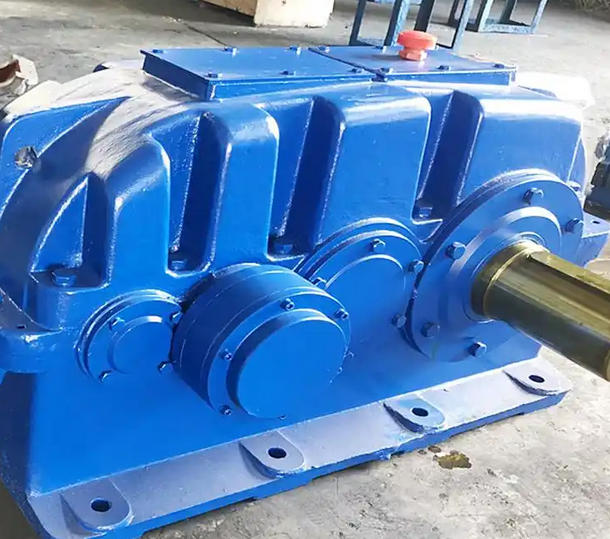
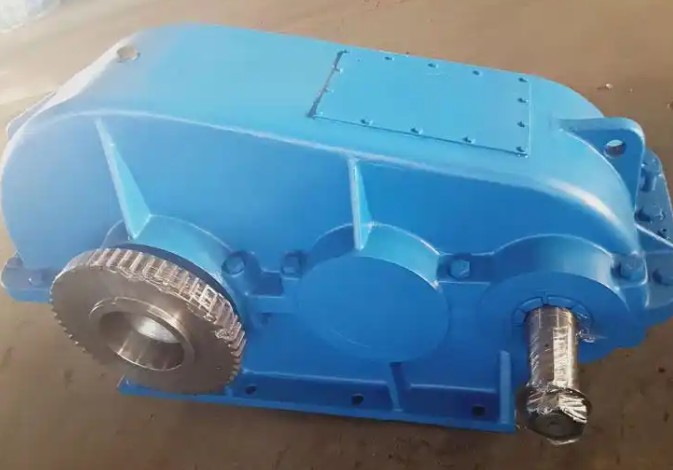
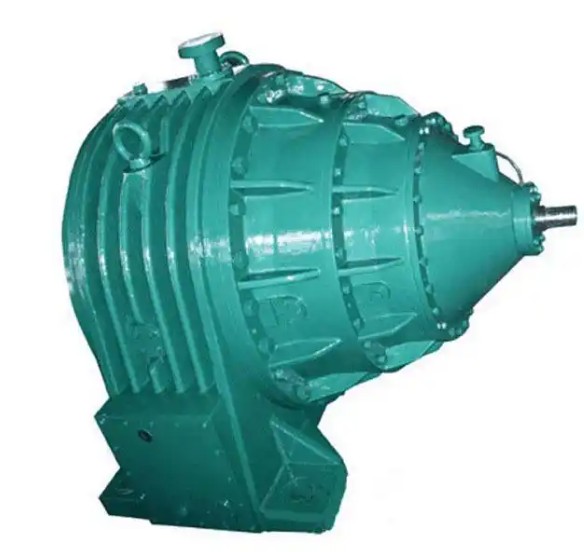
NCD710-400-I is a high torque heavy-duty planetary reducer with a transmission ratio of 400. It has the characteristics of high power density, strong impact resistance, and resistance to harsh environments. It is suitable for low-speed high torque and high reliability operation requirements of ships and marine engineering equipment. The core application scenarios are as follows:1. Ship deck mechanical drive system
Anchor winch/mooring winch: As the core transmission component of the winch, it can convert the high-speed rotation of the motor into low-speed high torque output of the drum, meeting the heavy load requirements of ship anchoring, hoisting and dock mooring, and withstanding the instantaneous impact load when the anchor chain is stuck.
Crane (ship crane) slewing and amplitude changing mechanism: drives the slewing and pitching actions of the crane arm. The high rigidity structure ensures positioning accuracy during lifting operations, has strong resistance to wind and wave impacts, and is suitable for dynamic working conditions during ship navigation or berthing.
Hatch cover opening and closing device: used for the lifting and translation drive of large ship cargo hold covers. The compact structure can adapt to limited installation space on the deck, and the stable power output avoids jamming during the opening and closing process of the hatch cover.
2. Marine platform operation equipment
Platform lifting system: applied to the pile leg lifting mechanism of self elevating offshore platforms, the large transmission bit can achieve slow and precise lifting of the pile legs, withstand the composite load of the platform's own weight and sea waves, and ensure the stability of the platform in harsh sea conditions.
Platform material conveying equipment: drives belt conveyors and screw conveyors on the platform, used for the transportation of oil and drilling consumables. The structure design is resistant to salt spray corrosion and suitable for the high humidity and high salt environment of offshore platforms.
Drilling auxiliary machinery, such as mud mixers and drilling fluid circulation pumps, has strong impact load resistance and can cope with instantaneous load fluctuations during the drilling process, ensuring continuous and stable drilling operations.
3. Marine scientific research and exploration equipment
Deep water detection equipment deployment/retrieval mechanism: drives the deployment and retrieval of detection instruments and samplers. The low-speed and precise power output can control the posture of the equipment underwater, avoiding equipment deviation caused by ocean currents.
Scientific research ship winch system: used for the retraction and deployment of marine geological sampling and hydrological monitoring equipment. With high torque characteristics, it can lift heavy-duty sampling equipment and operate smoothly to ensure the accuracy of scientific research data collection.
4. Ship Power and Propulsion Auxiliary Systems
Ship side thruster device: The transmission end of the side thruster for some small and medium-sized ships provides lateral thrust to enhance the maneuverability of the ship when docking and departing from the dock, with a compact structure that adapts to the installation space inside the hull.
Servo transmission mechanism: As a deceleration component of the servo, it accurately transmits power to control the deflection angle of the rudder blades, ensuring high reliability and response speed of heading adjustment during ship navigation.