
How to scientifically match the cycloidal pinwheel reducer with the mixing frame
Scientifically matching the cycloidal pinwheel reducer with the mixing frame is a key step in ensuring stable, efficient, and long-lasting operation of the mixing equipment. This requires systematic consideration from multiple dimensions such as rack type, size specifications, and connection methods.Step 1: Determine the rack type
The core function of the rack is to provide support for the mixing shaft. According to the load of mixing conditions, the overhang length of the shaft, and stability requirements, the frame is mainly divided into three types:
1. Non pivot rack
Characteristics of pivot free frame: The frame itself does not provide additional bearing support points, and the mixing shaft relies entirely on the output shaft of the reducer for cantilever support.
Application scenarios of pivot free rack: Suitable for situations with low power transmission, mild mixing, low axial load, or basically no axial load.
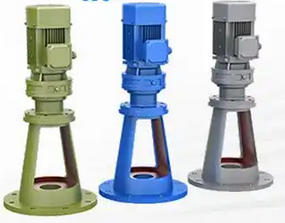
Requirements for non pivot frame connection: The mixing shaft and reducer must be connected using a rigid coupling to ensure concentricity and reduce impact on the reducer bearings.
2. Single pivot rack
Characteristics of single pivot frame: There is a bearing inside the frame, which serves as a support point for the mixing shaft and can effectively share radial and axial loads.
Single pivot frame is suitable for scenarios where the bottom of the mixing container is equipped with a bottom bearing, the shaft seal is supported by a bearing, or there is a guide bearing in the middle of the shaft, a single pivot frame can be selected. This is the most widely used type.
Single pivot frame connection requirements: Elastic pin couplings are usually used between the mixing shaft and the reducer to compensate for minor deviations during installation and operation, and absorb vibrations.
3. Dual pivot rack
Characteristics of the double pivot frame: The frame is equipped with two upper and lower bearings, providing two stable support points for the mixing shaft, forming a simply supported beam structure with the best stability.
Applicable scenarios of double pivot frame: When the mixing shaft is long, the load is large, the mixing process is intense, and other support points cannot be set in the container, a double pivot frame must be selected.
Double pivot frame connection requirements: Elastic pin couplings must be used to connect the mixing shaft and reducer.
Step 2: Match size and specifications
After determining the rack type, it is necessary to accurately match its size specifications, mainly following the following principles:
Core basis: In principle, the model of the frame should be determined based on the shaft diameter of the gearbox output shaft. The bearing holes of the frame need to match the dimensions of the gearbox output shaft and mixing shaft.
Installation interface: Ensure that the interface form and size of the upper flange of the rack and the installation stopper, bolt hole, etc. of the reducer are completely consistent.
Height selection: Choose the appropriate height frame based on the installation space limitations and the length of the mixing shaft. For example, some manufacturers offer regular (Type I) and elevated (Type II) racks to meet different needs. High rack is suitable for large tanks, while low rack can save space and lower the overall center of gravity.