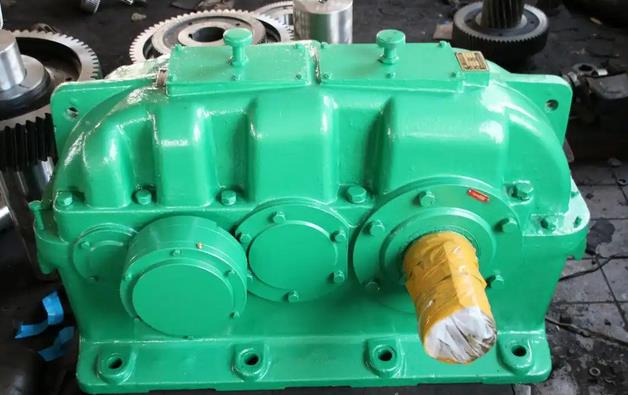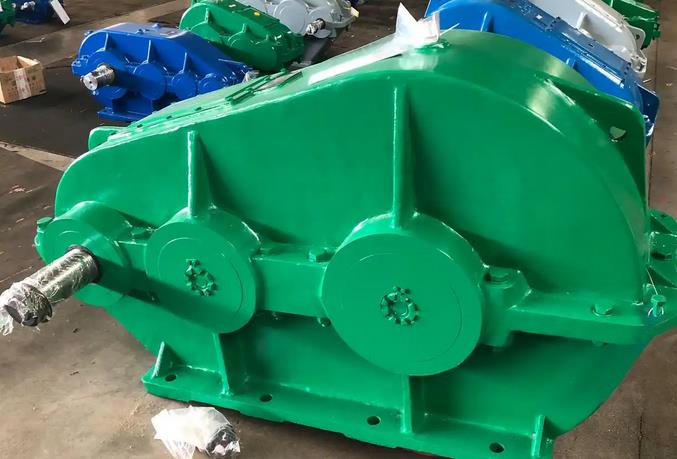


Installation and commissioning standards for rotary kiln reducers
Step 1: Basic inspection before installation. Before installation, confirm that the reducer model, parameters, and equipment match, and check that the equipment housing, gears, bearings, and seals are not damaged or defective; Clean the installation base to ensure that it is flat, sturdy, and free of debris, and to avoid force displacement after equipment installation.Step 2: Precise alignment, installation, and fixation. Place the reducer steadily on the installation base, accurately calibrate the levelness and verticality, and ensure that the equipment is evenly stressed; Tighten the fixing bolts one by one, using diagonal tightening method to avoid unilateral force displacement; Install the coupling, strictly calibrate the coaxiality, and control the deviation within the industry standard range to prevent eccentric operation.
Step 3: Lubrication system filling and debugging. After installation, according to the equipment manual standards, add lubricating oil of the corresponding model and standard oil volume, and check that the oil circuit is unobstructed and there is no leakage; Test the operation status of the lubrication system to ensure that the lubricating oil circulation is normal, without blockage or oil shortage issues.
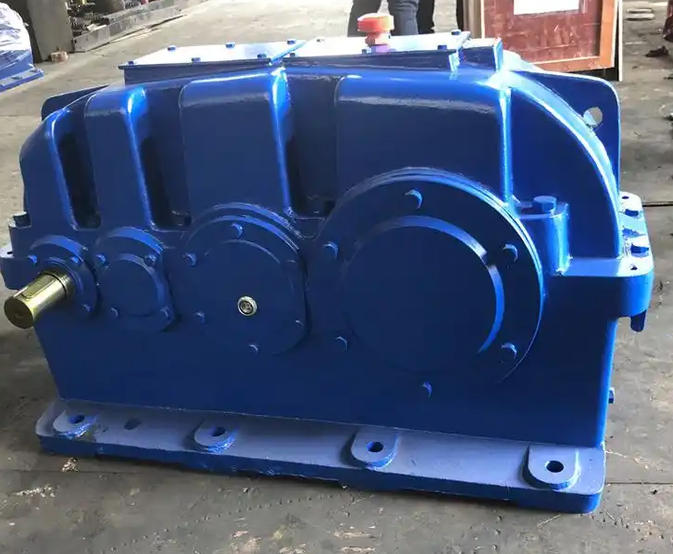
Step 4: No load trial operation and debugging. After installation, conduct a 30 minute no-load test run to observe any abnormal noise, vibration, oil leakage, high temperature, etc. in the equipment, and check whether the speed and transmission status are stable; After no abnormalities are found during no-load operation, gradually load the load, debug in sections, and adapt to production conditions.
Step 5: Debugging of functional accessories. Debug the supporting accessories such as backstop, overload protection device, and heat dissipation system to ensure that all functions are sensitive and reliable, and can play a protective role normally, completing the overall installation and debugging.
Strictly following the standards for installation and debugging is the foundation for the long-term stable operation of the reducer, eliminating potential hazards caused by non-standard installation.