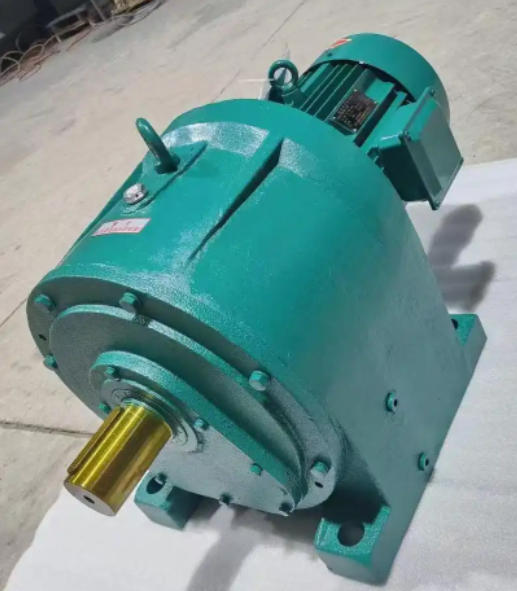

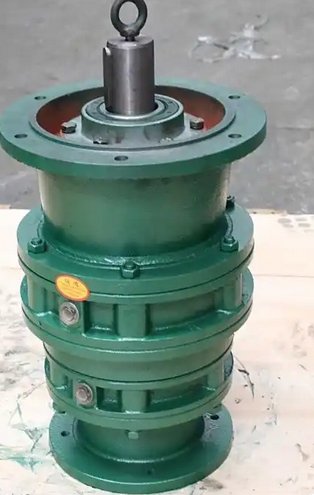
What details should be paid attention to when cleaning the bearing seals of F87S-74.7-YP-3-B6 reducer
The F87S-74.7-YP-3-B6 reducer is a hard tooth surface horizontal model, and the bearing seals mostly adopt a skeleton oil seal+auxiliary labyrinth seal structure. The seals are suitable for high-speed and heavy-duty working conditions, and the material is mainly nitrile rubber (oil resistant and wear-resistant). The cleaning core is to prevent lip scratches, rubber corrosion, and skeleton deformation. The following key details need to be controlled throughout the process, sorted out according to the disassembly cleaning drying reassembly process, and accurately adapted to the parameter requirements of this model:1. Disassemble the first two key details (preventing violent damage and adapting to the end cap structure of this model)
Before loosening the end cap bolts, they must be tightened diagonally and evenly. The end cap of this model should be tightly attached to the box body. It is forbidden to pry or hammer the end cap on one side to avoid squeezing the outer ring of the seal and causing deformation of the skeleton. At the same time, it is necessary to prevent burrs on the end cap from scratching the lip of the seal.
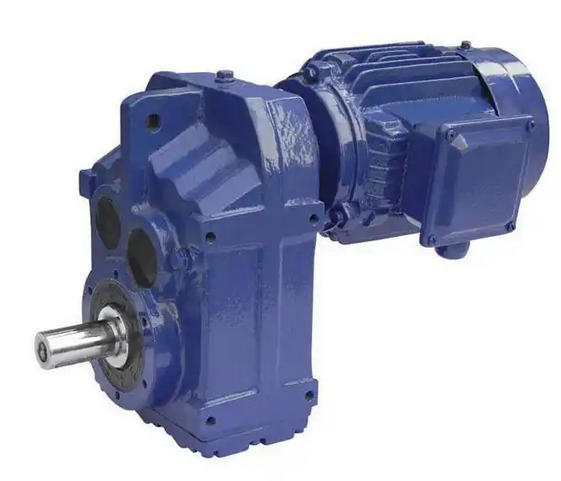
It is strictly prohibited to forcefully pry or pull the seal when removing it. The oil seal of this model is deeply embedded in the sealing groove of the end cover, and a special oil seal puller is needed to hook the outer ring of the seal (strictly prohibited from hooking the lip), and evenly apply force along the circumference to pull it out; Use a soft plastic pry bar without specialized tools, gently pry at intervals of 60 °, and gradually remove to prevent local force from tearing the lip or bending the skeleton.
Additional marking: The specifications of the input/output seals for this model are different, and they need to be marked separately as "input end" and "output end" to avoid confusion and incorrect installation, which may directly damage the seals due to compression.
2. Three details for selecting cleaning agents (chemical corrosion resistance, compatibility with nitrile rubber material)
Neutral cleaning agents must be selected. Priority should be given to using specialized sealing agents for reducers or neutral metal cleaning agents. Gasoline, diesel, banana water, and strong acid and alkali solvents are strictly prohibited. This type of nitrile rubber will quickly swell and harden when exposed to strong solvents, losing its sealing elasticity.
The temperature of the cleaning agent should be strictly controlled at 35-45 ℃, with a maximum of 50 ℃. It is forbidden to use boiling water or heating for cleaning, as high temperatures can accelerate rubber aging and cause premature cracking of the seals.
Do not use dirty cleaning agents. The cleaning agent should be kept clean. If iron filings or sand particles are mixed in, it will scratch the sealing surface of the seal lip during cleaning. It is recommended to clean it in two times (coarse to remove heavy oil stains, and fine to remove residual impurities).
Related News