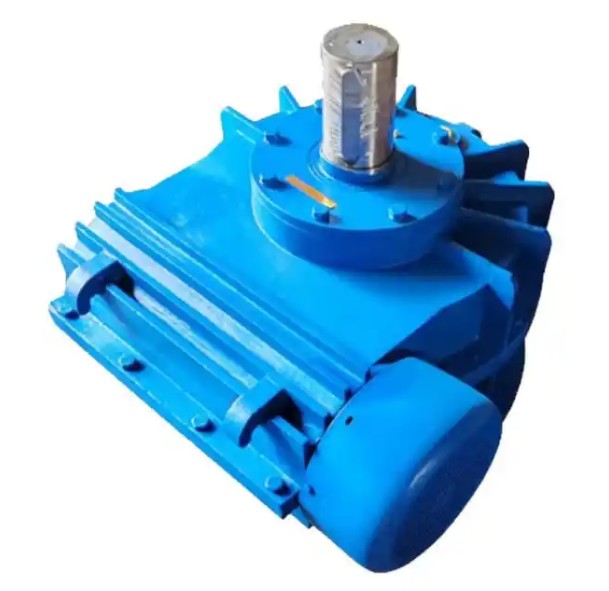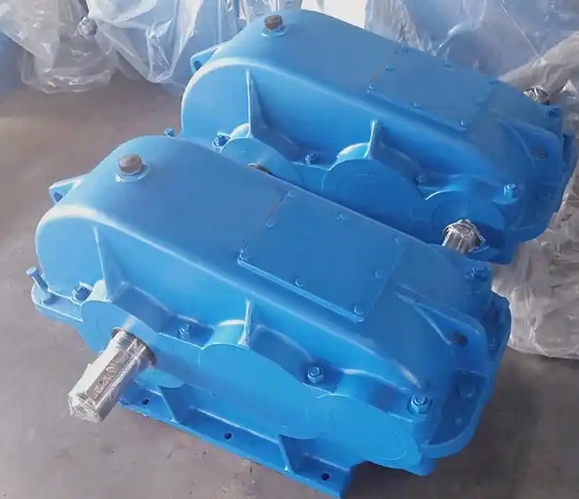

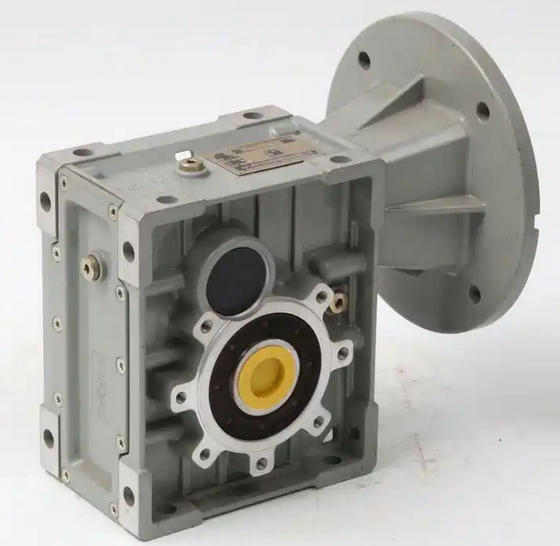
Provide a detailed introduction on how to avoid transmission system failures in H2SH industrial gearboxes
1、 Accurate control of lubrication system (accounting for over 60% of the causes of faults)Oil selection compliance: Strictly select L-CKD 220 # extreme pressure industrial gear oil specified for H2SH models, and switch to PAO synthetic gear oil for heavy-duty and high-temperature conditions. It is strictly prohibited to mix different grades and base oils of oil.
Oil level and pollution prevention: Keep the oil level at the center line of the sight glass and check the oil level weekly; New oil filling must undergo three-stage filtration, with the target oil cleanliness meeting ISO 4406 19/17/14 standards and moisture content controlled below 200ppm.
Dynamic adjustment of oil change cycle: forced oil change after 50 hours of initial operation, sampling and testing every 3000 hours under normal operating conditions, determining the oil change node based on the measured results of oil viscosity, acid value, and wear metal content, and halving the cycle under harsh operating conditions.
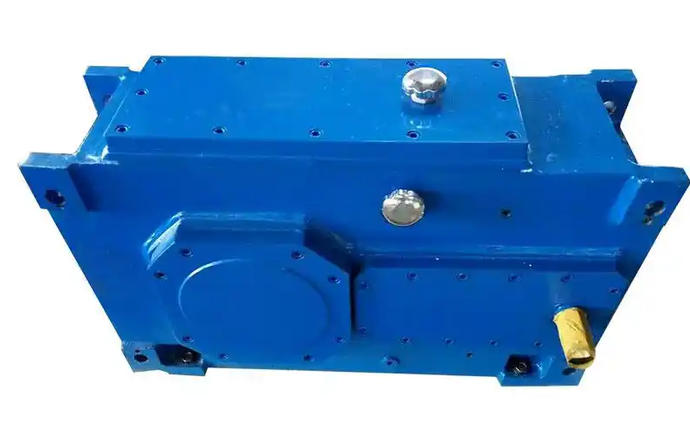
2、 Installation and precision control of alignment
Accurate shaft alignment: Use a laser alignment instrument to calibrate the axis of the gearbox, motor, and load equipment, with a radial deviation of ≤ 0.05mm and an end face angle deviation of ≤ 0.03mm/100mm, to avoid uneven shaft bearing force and gear misalignment caused by poor alignment.
Base and assembly verification: The flatness of the installation foundation should be ≤ 0.02mm/m, and all fastening bolts should be tightened with the specified torque and equipped with anti loosening locking plates; The backlash of gear meshing is controlled at 0.2~0.3mm, and the contact spot on the tooth surface is ≥ 40% along the tooth height and ≥ 60% along the tooth width.
Bearing assembly specifications: Induction heaters are used to heat install bearings. The heating temperature is strictly controlled at 80-100 ℃, with a maximum of 120 ℃. Open flame heating or direct hammering of the bearing raceway is prohibited. The fit tolerance between the journal and the inner ring of the bearing meets the GB/T 275 standard.
3、 Real time monitoring of operational status
Temperature classification control: During normal operation, the temperature of the bearing seat should be ≤ 80 ℃. When the temperature exceeds 85 ℃ or the temperature rise exceeds 5 ℃ within 1 hour, the load should be immediately reduced for troubleshooting; Emergency shutdown must be carried out when the oil temperature exceeds 95 ℃ to avoid the rupture of the lubricating oil film and the occurrence of tooth surface adhesion.
Vibration trend monitoring: Collect the vibration spectrum of each bearing point every month. When the amplitude of the sideband of the gear meshing frequency and the amplitude of the bearing characteristic frequency show a continuous upward trend, arrange for shutdown inspection in advance to avoid fault expansion.
Strict load control: The operating load should be kept within 85% of the rated value for a long time, and it is strictly prohibited to operate at 100% full load for a long time to prevent frequent impact overload and avoid tooth breakage caused by excessive bending stress at the root of the gear teeth.
4、 Regular preventive maintenance
Daily inspection: Each shift monitors the sound of gears and bearings through listening sticks, and checks for abnormal signals such as whistling and periodic impact sounds that increase with the speed; Check the joint surface of the shaft seal daily, promptly deal with micro leaks, and prevent dust and water vapor from entering the box.