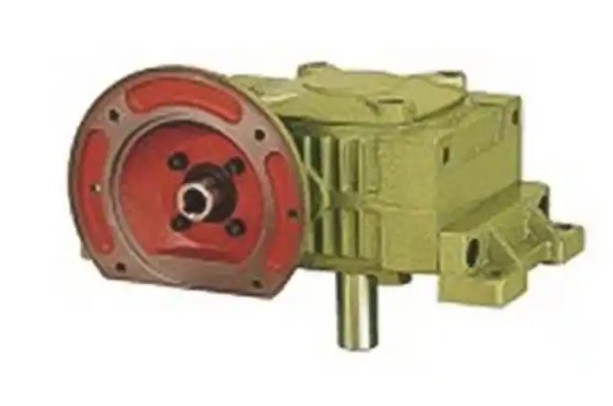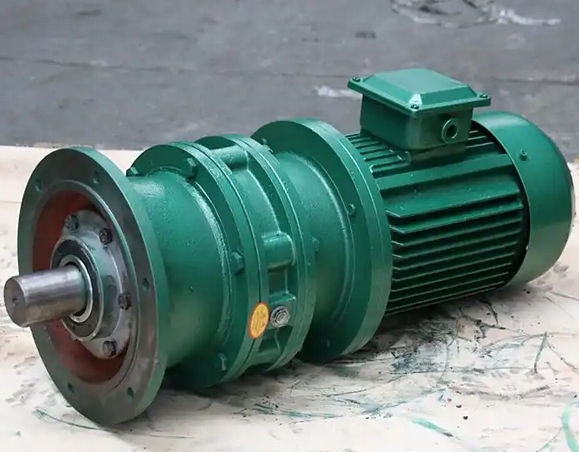

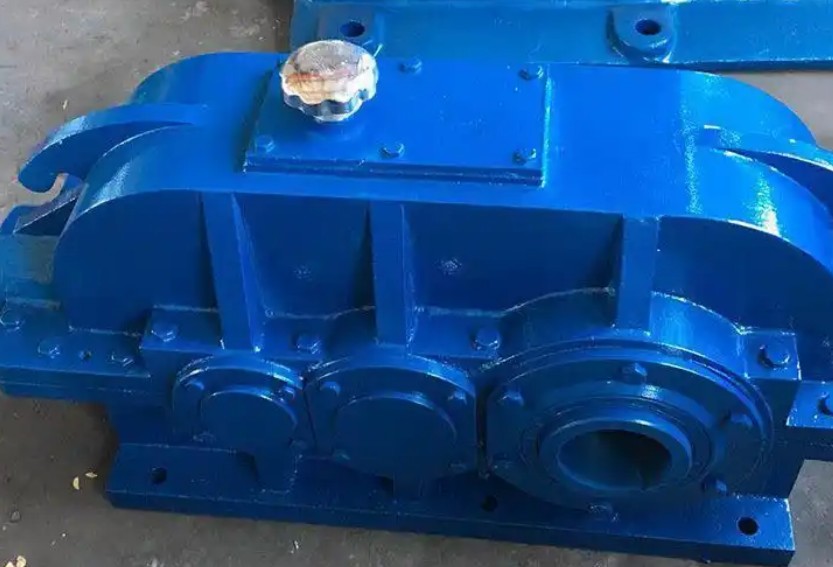
What should be done when restarting a long-idled bending machine reducer?
1. Thoroughly replace lubricating oil/grease (core key)Long term disuse can lead to an increase in viscosity, deterioration of oil quality, or mixing of impurities in the internal lubricating oil of the gearbox. Direct start-up will result in poor lubrication, wear, and overheating. Therefore, before restarting, it is necessary to replace the lubricating oil or grease with a brand new one that is the same as the original brand, and it is strictly prohibited to mix different brands of oil products. When changing the oil, wait for the gearbox to cool down but keep it warm (at this time, the oil has good fluidity and is easy to drain old oil and impurities).
2. Comprehensive inspection of mechanical and hydraulic systems
Mechanical components: Clean the rust or dust on the surface of the guide rail and slider, check if the lubricating grease has dried up, and reapply special lubricating grease; Re tighten the bolts of key parts such as the mold pressing plate and slider connection to prevent loosening and accuracy deviation.
Hydraulic system: Check whether the hydraulic oil is emulsified, discolored or precipitated, check whether there is leakage or aging in the pipeline, and replace the oil suction and return filters of the hydraulic system if necessary to prevent impurities from entering the oil pump.
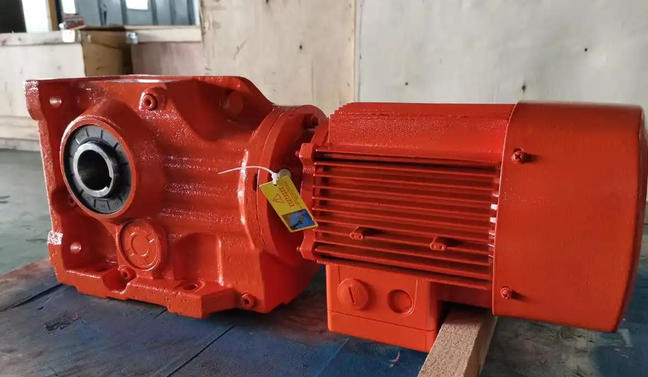
3. Electrical system and safety protection verification
Electrical inspection: Confirm the stability of the power supply voltage, open the electrical control cabinet to check for rodent damage, aging of the circuit, or rusting of components, and clean the internal dust. Test whether safety signals such as gratings, travel switches, and emergency stop buttons are sensitive and reliable.
Anti top cylinder operation: If the slider is not lowered to the bottom dead center (not placed on the lower mold block) during the last shutdown, it is highly likely to cause top cylinder accidents during parameter search during startup. It is necessary to first operate the motor in manual mode or enter diagnostic mode to adjust the valve bias, allowing the slider to slowly fall to a safe position by its own weight.
4. Progressive trial operation and calibration
No load test: Start the equipment at a low speed of 10%~20%, perform full stroke no-load operation, observe for any abnormal noise or jamming, and run multiple times to release the air in the hydraulic cylinder.
Load and accuracy calibration: Use thin plates for trial bending to verify the synchronization and angle consistency of the slider. Use tools such as a dial gauge to calibrate the positioning accuracy of the rear stopper and the parallelism of the mold.
5. Monitoring during operation and high-frequency maintenance in the first week
After the equipment is started, the operator needs to closely monitor the pressure gauge and temperature gauge. If the oil temperature exceeds 80 ℃ or produces abnormal noise, the machine should be stopped immediately for troubleshooting. In the first week after restart (especially in the first 3 days), daily high-frequency monitoring of parameters such as oil temperature, noise, pressure, etc. should be carried out, and equipment restart files should be established to ensure that potential hazards are nip in the bud.
Related News