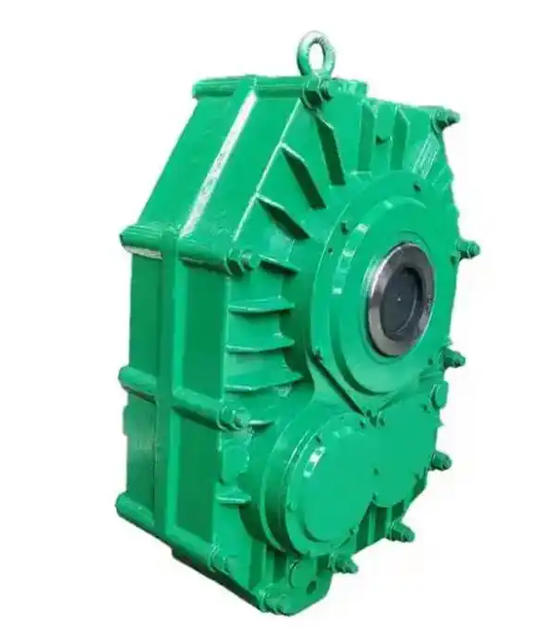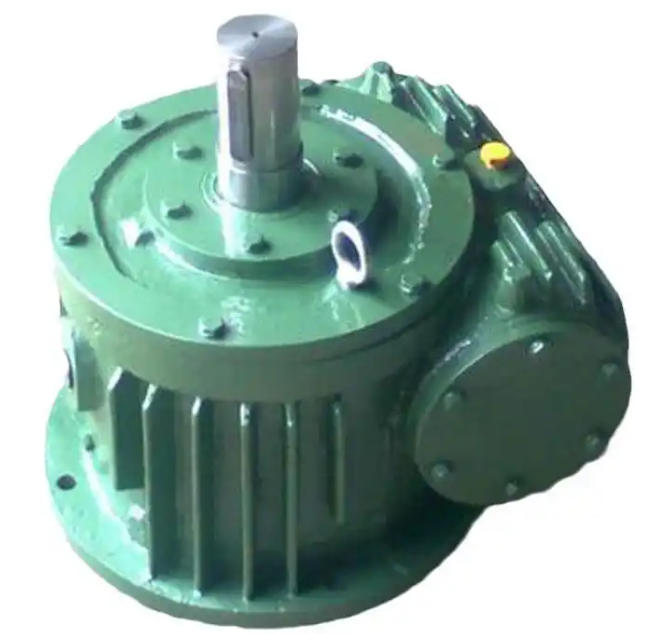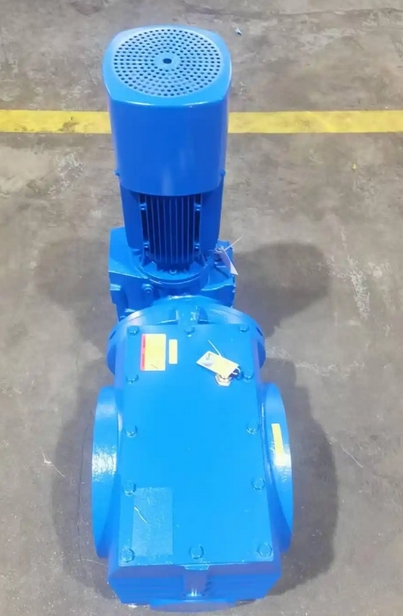

How to prevent impurities from entering the worm gear of WPWDX155-60-4KW reducer
For the WPWDX155-60-4KW reducer (high torque heavy-duty type, with mostly tin bronze worm gears and alloy nitride steel worm gears), to prevent impurities from entering the worm gear meshing surface, it is necessary to start from four dimensions: "source protection, process isolation, regular cleaning, and abnormal control". The following are practical measures that can be directly implemented:
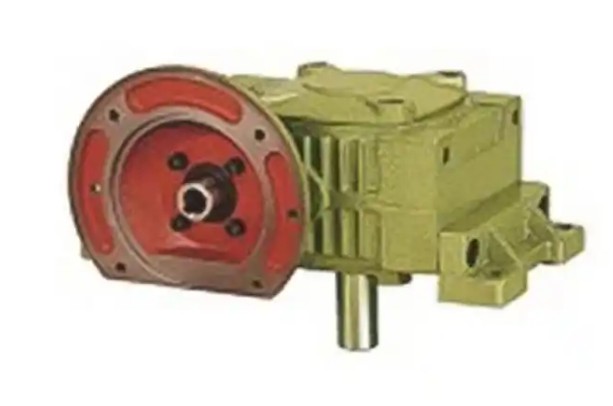
Optimize installation environment: Choose a dust-free and dry site for installation, avoiding working in environments with high dust, oil stains, or humidity; During the installation process, the exposed surface of the parts should be covered with dust-proof cloth in a timely manner to prevent impurities from falling off.
Check the integrity of the seals: Before installation, confirm that the input shaft and output shaft oil seals (compatible with the skeleton oil seal model) are not damaged or deformed. Apply the sealing gasket (or sealant) evenly on the joint surface of the casing to avoid dust and water leakage in the gaps after installation.
Select clean lubricating medium: Inject special extreme pressure gear oil (recommended 320 #) for worm gear and worm gear. Before refueling, check whether the oil is turbid and contains impurities. If necessary, filter it through a filter screen before injecting; It is strictly prohibited to mix different brands and models of oil products.
Install air intake dust prevention device: Install a fine filter (aperture ≤ 0.1mm) at the ventilation cap of the reducer to prevent air from carrying dust into the interior of the casing; Regularly clean the filter screen (every 1000 hours) to avoid clogging and excessive internal pressure.
Improve the operating environment of equipment: If the equipment is in a dusty and oily working condition (such as mines or cement plants), install a protective cover (sealed or semi sealed) for the reducer to isolate external impurities; Regularly clean the dust accumulation on the protective cover and gearbox casing.
Control the refueling and oil change process: When changing the oil, completely drain the old oil (including sediment at the bottom of the casing), rinse the interior of the casing with new oil 1-2 times, and then fill it up again; The refueling port should be equipped with a sealing cover, which should be tightened promptly after refueling to prevent impurities from entering through the refueling port.
Regularly check the sealing status: Stop the machine every 1500 hours to check if there is any leakage on the shaft oil seal and the joint surface of the casing. If there are oil leaks or dust marks, replace the damaged seals or reapply sealant in a timely manner.
Avoid repairing with impurities: During maintenance (such as replacing bearings or adjusting mesh clearances), tools should be clean and dry, and disassembled parts should be placed in clean containers or cloths. Direct contact with the ground is prohibited; Clean the interior of the casing promptly after maintenance before reassembling.
Handling abnormal pollution signals: If metal shavings or impurity particles are found in the oil (through oil sample observation or oil analysis), immediately stop the machine to check whether the worm gear meshing surface and bearings are worn, investigate the source of impurities (such as seal failure or external intrusion), thoroughly clean them before running.
Related News