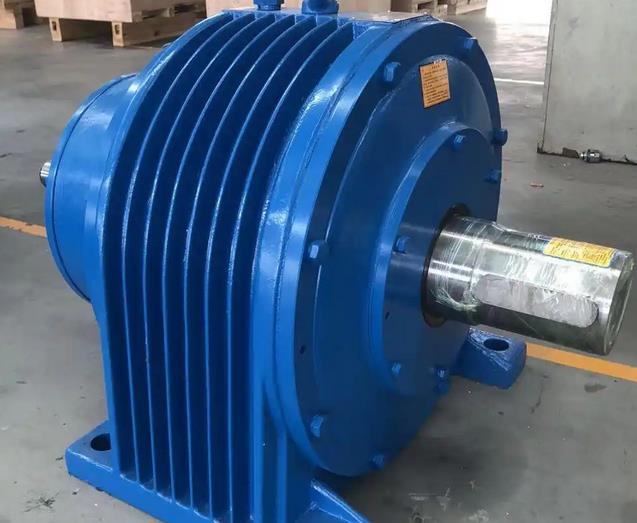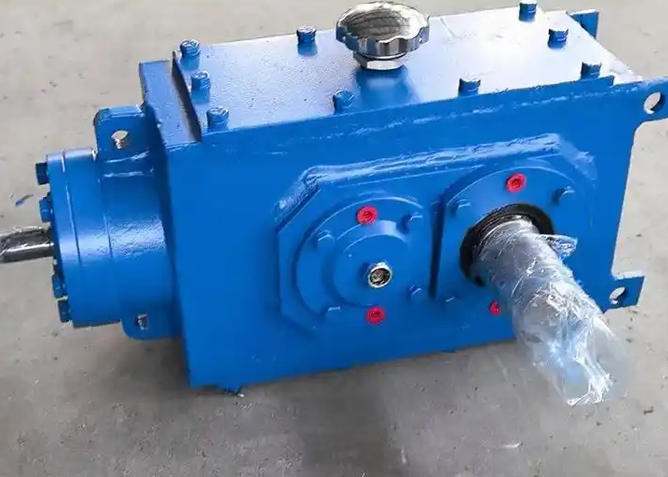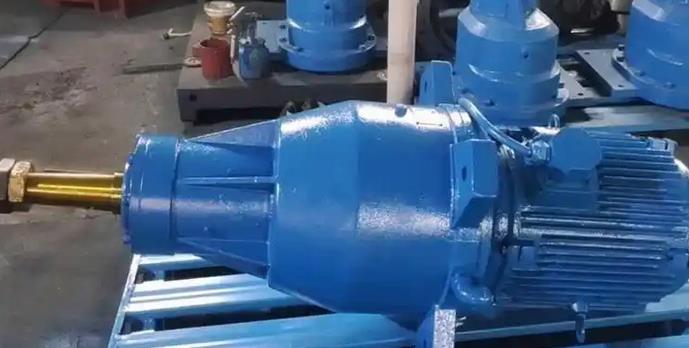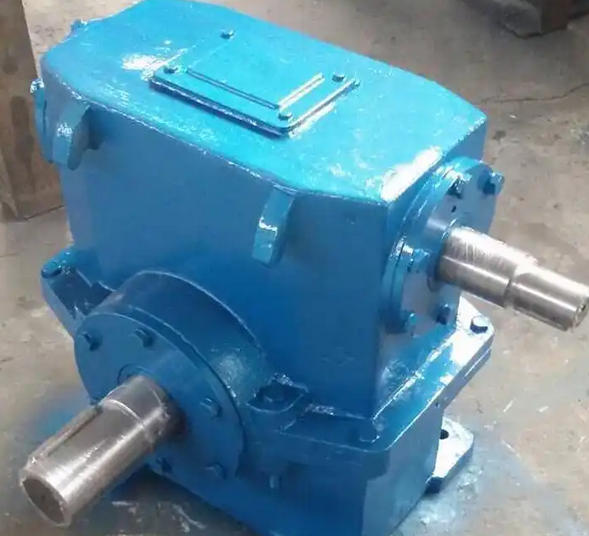

What are the hazards of premature failure of lubricating grease in RX77-3.8-Y5.5 gearbox
Premature failure of lubricating grease in RX77-3.8-Y5.5 gearbox can gradually cause damage to core components such as gears and bearings, leading to equipment failure and ultimately resulting in shutdown. The hazards should be clearly identified and adapted to on-site risk prediction1. Insufficient lubrication of core components leads to severe friction and wear
After the failure of lubricating grease, it loses its lubrication and wear reducing effect. The gear meshing surface, bearing raceway, and rollers come into direct metal contact, resulting in a sudden increase in frictional resistance. The gear tooth surface quickly wears and corrodes, and the tooth thickness gradually becomes thinner. The inner and outer rings of the bearing produce pitting and scratches; Gear bearings that were originally normally usable for 5-8 years may experience severe damage 1-3 months after failure, significantly reducing component lifespan and increasing replacement costs.
2. Friction heating intensifies, leading to abnormal increase in oil temperature/shell temperature
After the failure of the lubricating grease, the lubricating film ruptures, generating a large amount of heat through dry friction. The operating oil temperature of the gearbox will quickly exceed the normal threshold (≤ 80 ℃), and if it exceeds 90 ℃ or even 100 ℃ for a short period of time, the shell will be too hot to touch; High temperature will further accelerate the carbonization and deterioration of remaining lubricating grease, forming a vicious cycle of "lubrication failure high temperature further failure", and will also cause the oil (if shared) to oxidize and emulsify, losing its lubrication performance.
3. Gear meshing damage upgrades, causing tooth breakage and transmission failure
After the failure of the lubricating grease, the gear meshing has no buffering, and the impact load directly acts on the tooth surface. In the initial stage, pitting and peeling of the tooth surface occur, gradually developing into tooth surface chipping; Long term lack of effective lubrication and uneven stress on gears can cause root cracks, ultimately leading to tooth breakage; After tooth breakage, the transmission of the gearbox is interrupted, and the output speed and torque are completely ineffective, making it impossible to drive the load to operate. It must be shut down for major repairs.
4. Bearing jamming and sintering can induce shaft system failure
After the failure of the bearing grease, the rollers and raceway dry grind and heat up, the bearing clearance rapidly increases, and there is abnormal noise when the rotation is stuck; In severe cases, the inner and outer rings of the bearing may sinter and lock with the rollers, causing the high-speed shaft/low-speed shaft to become stuck and unable to rotate; Bearing locking can cause wear and deformation of the shaft neck, bending of the shaft, damage to the keyway at the shaft end, and the difficulty of repair far exceeds replacing the bearing, and even requires replacing the entire shaft.
5. Sealing system failure, exacerbating secondary pollution
After the failure of lubricating grease, accompanied by an increase in temperature and intensified vibration, it will damage the oil seal at the shaft end of the reducer and the sealing gasket at the joint surface of the box, resulting in oil and grease leakage; External dust, water vapor, and impurities will take advantage of the situation to enter the box, contaminating residual lubricating grease and internal components, forming a chain reaction of "pollution worse lubrication more severe wear". At the same time, grease and oil leakage will also pollute the working environment, which does not meet environmental protection requirements.
6. Abnormal vibration and noise exceeding the standard, posing safety hazards
Lubrication failure leads to wear and jamming of gear bearings, and the vibration amplitude of the reducer will far exceed the standard (normal ≤ 4.5mm/s). The vibration frequency is chaotic, and abnormal peak values of rotation frequency and meshing frequency appear; Simultaneously accompanied by strong noise, the normal operating noise is ≤ 85dB. After failure, there will be sharp whistling and metal impact sounds, with noise exceeding 100dB. This not only endangers the hearing of operators but also predicts faults. If the noise suddenly increases and the machine is not stopped, there is a risk of components flying out.
Related News