
What are the hazards of high oil temperature in the gearbox of WPS120-10-A reducer
As a large-sized worm gear reducer, the oil temperature in the worm gearbox of WPS120-10-A is too high (usually referring to a continuous temperature exceeding 80 ℃ and a peak temperature exceeding 90 ℃), which can cause irreversible damage from four dimensions: lubrication system, transmission components, sealing structure, and overall performance. In severe cases, it can lead to shutdown accidents. The specific hazards are as follows:1. The performance of lubricating oil deteriorates sharply, and the risk of lubrication failure increases sharply
Worm gear transmission relies on lubricating oil to form an oil film, isolating the metal tooth surface from direct contact. Excessive oil temperature can cause:
(1) The viscosity of lubricating oil has significantly decreased, the thickness of the oil film has become thinner or even broken, the tooth surface and bearings have lost effective lubrication, and the dry friction ratio has significantly increased;
(2) The oxidation rate of lubricating oil accelerates, generating impurities such as gum and carbon deposits, blocking the oil circuit and ventilation cap. At the same time, the oil acid value increases, corroding the worm gear (mostly made of tin bronze material), bearings, and metal surfaces of the housing;
(3) If the oil temperature continues to exceed 100 ℃, the lubricating oil may carbonize, smoke, and even cause oil degradation and failure in local high-temperature areas, directly leading to tooth surface adhesion and locking.
For the WPS120-10-A high torque model, lubrication failure can result in component damage costs far exceeding those of small-sized reducers.
2. The wear of transmission components intensifies, and the lifespan of core components is significantly shortened
Excessive oil temperature can damage the normal working condition of the worm gear meshing pair and bearings, including:
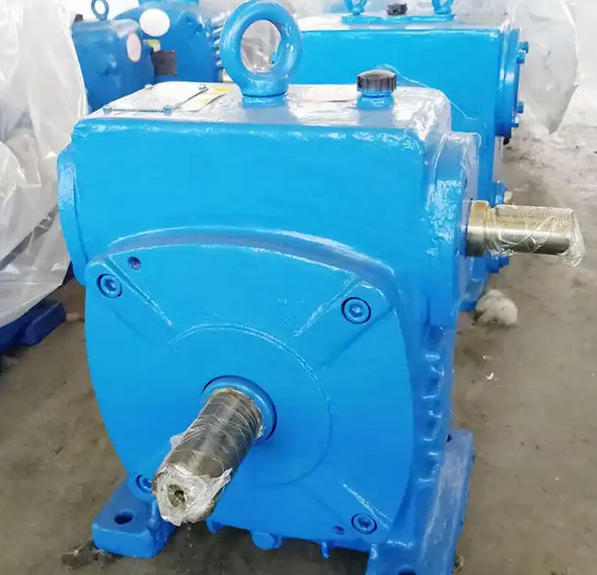
(1) Worm gear tooth surface damage: After the oil film fails, the metal on the tooth surface rubs directly, causing pitting and scratches in the short term. Under long-term overload and high temperature, tooth surface bonding (metal melting adhesion) and tooth top peeling may occur, and in severe cases, tooth fracture may occur; The anti bonding ability of tin bronze worm gears is weak, and the tooth surface is more prone to softening and deformation at high temperatures;
(2) Bearing damage: High temperature can reduce the hardness of the rolling elements and raceways of the bearing, intensify wear and fatigue, cause rapid increase in bearing clearance, and result in abnormal noise and vibration during operation; At the same time, high temperature will accelerate the aging and brittle cracking of the bearing cage, ultimately causing the bearing to lock up and damage the input/output shaft;
(3) Shaft deformation: Continuous high temperatures can cause the housing and shaft components to expand due to heat, damaging the meshing accuracy of the worm gear, further increasing transmission resistance and heat generation, forming a vicious cycle of "temperature rise wear temperature rise".