
What are the effects of surface treatment process on the performance of BLY9130-6-1.1KW cycloidal pinwheel reducer output shaft
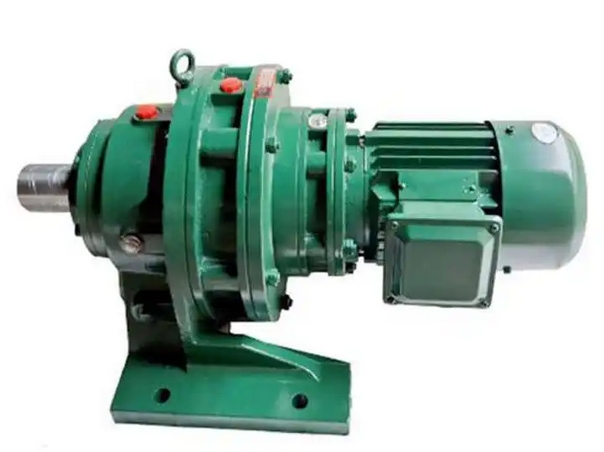
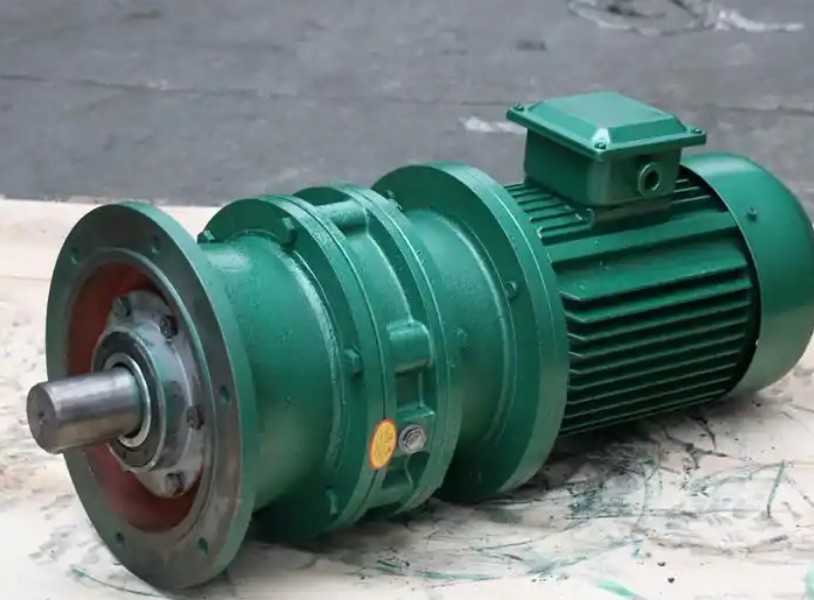
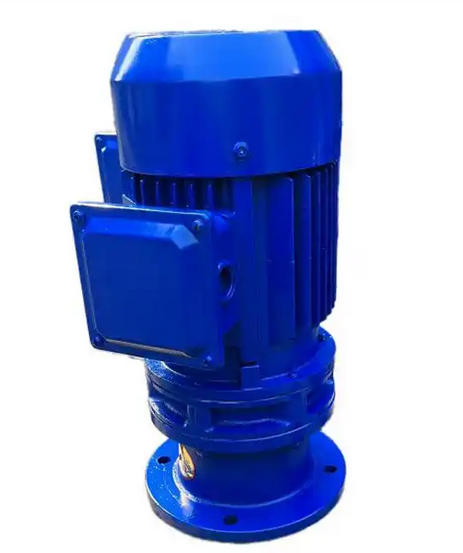
BLY9130-6-1.1KW belongs to the BLY series cycloidal pinwheel reducer. The surface treatment processes for its output shaft are commonly used in the field of cycloidal pinwheel reducers, such as carburizing, quenching, nitriding, and precision grinding. These processes mainly affect the output shaft and even the overall performance from dimensions such as wear resistance, transmission, and corrosion resistance. The specific details are as follows:Carburizing and quenching treatment: strengthening wear resistance and impact resistance, suitable for stable transmission
This process will infiltrate carbon elements into the surface of the output shaft and then quench it, which can make the surface hardness of the shaft reach around HRC60-62, while maintaining good toughness in the core. For transmission scenarios with a power of 1.1KW, the output shaft needs to withstand continuous torque loads. After this treatment, the hard layer on the surface can significantly reduce wear when cooperating with components such as bearings and couplings, avoiding problems such as reduced shaft diameter during long-term operation; The toughness of the core can prevent the shaft from breaking during load fluctuations such as startup and shutdown, ensuring the stable operation of the gearbox under frequent startup and shutdown conditions, significantly extending the service life of the output shaft and the entire machine.
Nitriding treatment: enhances fatigue and corrosion resistance, suitable for complex working conditions
Nitriding treatment forms a hard nitride layer by diffusing nitrogen elements onto the surface of the output shaft, without the need for high-temperature quenching, which can reduce shaft deformation. On the one hand, this nitride layer can enhance the fatigue resistance of the output shaft. During the transmission process corresponding to 1.1KW, the output shaft will repeatedly bear periodic stress. This process can effectively avoid fatigue cracks on the shaft surface and reduce the risk of fracture; On the other hand, the nitride layer can also enhance the corrosion resistance of the shaft. If the reducer is used in humid outdoor or workshop environments such as Wuxi Binhu, it can prevent the output shaft from rusting, avoid the problem of increased fit clearance caused by rusting, and ensure transmission stability. In addition, this process can slightly reduce the surface friction coefficient and minimize energy loss during the transmission process.
Precision grinding: ensuring transmission accuracy and reducing operating noise
The key mating surfaces of the output shaft are usually precision ground to control the surface roughness at a lower Ra value (such as Ra0.1-0.8 μ m). This smooth surface can make the fit between the output shaft, bearings, and couplings tighter, reduce transmission errors caused by clearance, and make power transmission more accurate at a power of 1.1KW, especially suitable for light load equipment with transmission accuracy requirements; At the same time, a smooth surface can reduce the frictional resistance between components, lower the friction noise during operation, and help form a stable lubricating film, avoiding rapid wear caused by dry friction and further ensuring transmission efficiency.
Related News