
Selection case of SAF series reducers in extremely cold regions
1、 Case 1: Alpine Ski Resort Cable Car SystemEnvironmental conditions: High altitude mountainous areas, winter temperatures can drop below -25 ° C.
Problem faced: Gearboxes are prone to malfunction at low temperatures, directly affecting the safety of tourists.
Selection and Solution:
Special lubrication: Select special low-temperature gear oil to ensure good fluidity even at extremely low temperatures.
Cold resistant materials: The key components of the reducer are made of cold resistant materials to prevent low-temperature cracking.
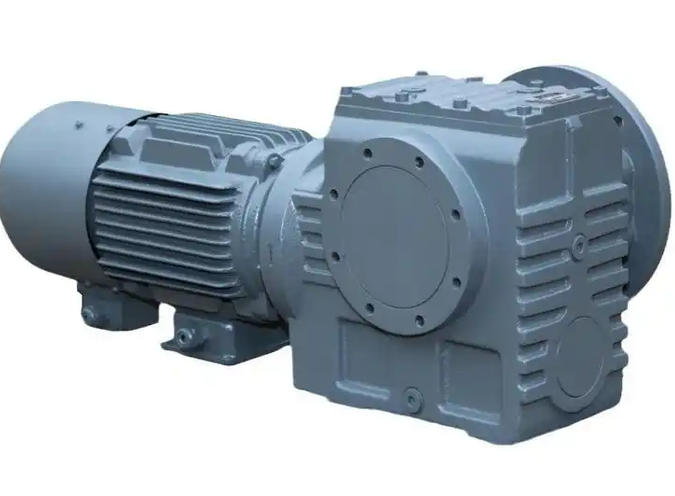
Intelligent preheating: The system is designed with an automatic preheating program to preheat the gearbox before each start, ensuring safe and reliable startup.
2、 Case 2: Automated handling machinery for cold chain warehouses
Environmental conditions: In the refrigerated warehouse, the temperature remains constant at -18 ° C.
Problem faced: The operating noise of the reducer increases, and its service life is significantly shortened.
Case 2 Selection and Solution:
1. Special model: Select the gearbox model with low-temperature performance directly.
2. Core components: Using low-temperature resistant sealing materials and specialized lubricants to solve the problems of sealing failure and poor lubrication from the root.
3. Strengthen maintenance: Develop stricter regular inspection and maintenance plans to ensure the continuous and stable operation of equipment in low-temperature environments.
3、 Case Three: Outdoor Conveyor Equipment in Northern Regions
Environmental conditions: In winter in the north, outdoor temperatures can reach up to -20 ° C.
Problem faced: Difficulty in starting the equipment and reduced operational efficiency.
Case Three Selection and Solution:
1. Physical insulation: Install insulation cover for the reducer to effectively reduce heat loss from the body.
2. Active heating: Wrap an electric heating belt around the lubricating oil pipeline to ensure that the lubricating oil is preheated before starting, thereby significantly reducing the starting torque and solving the starting problem.