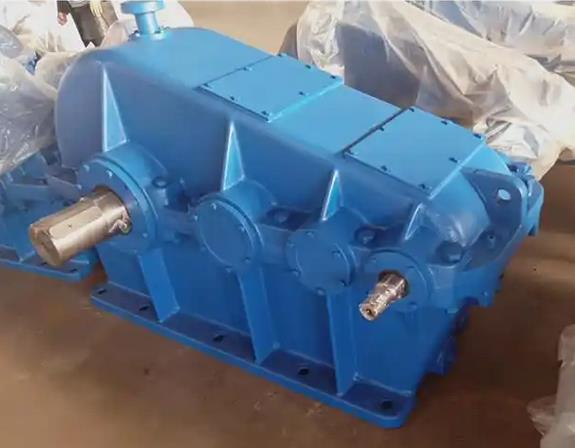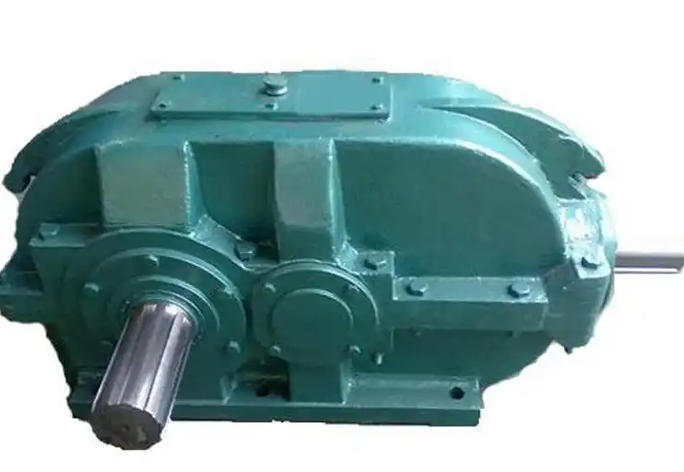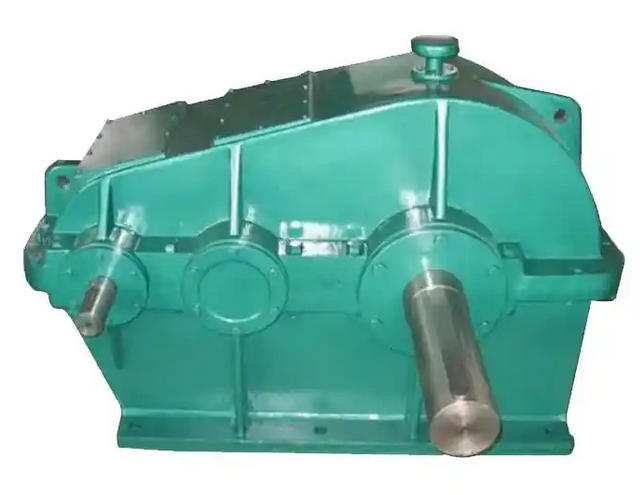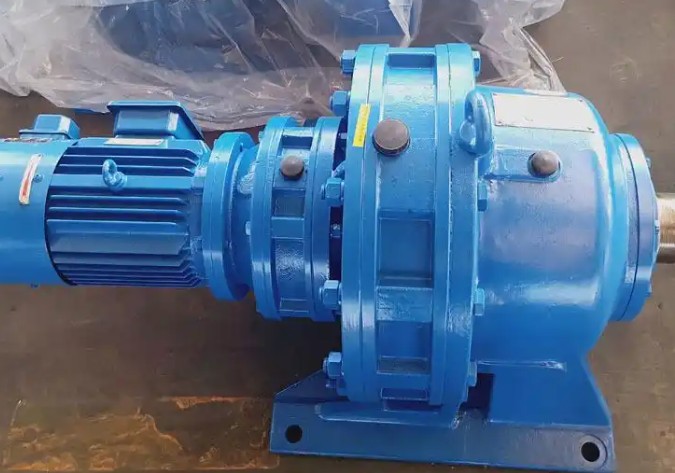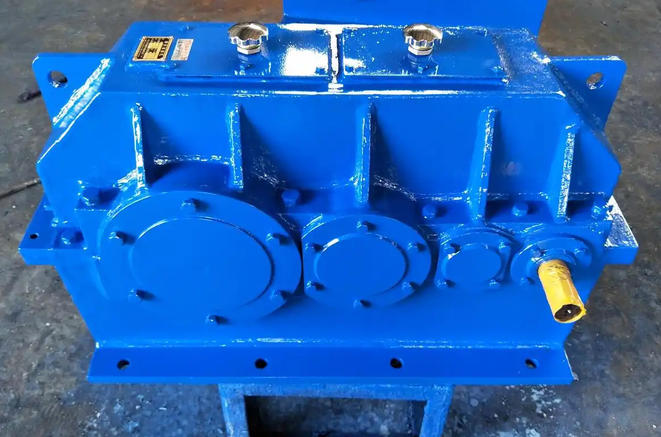

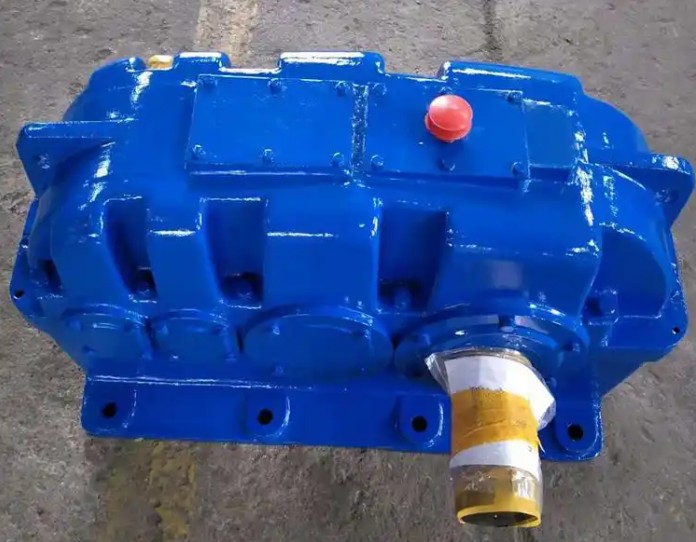
Abnormal connection status between motor and ZSY630-22.4-2 gear reducer.
The abnormal connection status between the motor and ZSY630-22.4-2 gear reducer will be directly reflected in four dimensions: abnormal operation noise, excessive vibration, abnormal temperature, and transmission failure. The specific manifestations are as follows (presented in a structured text format):1. Abnormal noise during operation
Periodic "clicking" impact sounds occur in the coupling area: often due to excessive coaxiality of the coupling, aging and failure of the elastic body, or loosening of the pins/bolts, resulting in excessive clearance between the mating or connecting surfaces and causing rigid collisions during operation.
Continuous sharp "whistling" sound: Originating from loose coupling and shaft fit (keyway wear, disappearance of interference), or excessive angular deviation between the motor shaft and the input shaft of the gearbox, resulting in increased friction and high-frequency noise during high-speed operation.
Irregular "clanging" sound: It is mostly caused by the fracture of the elastic body of the coupling, shear deformation of the column pin, or severe wear of the key and keyway, resulting in intermittent jamming during the transmission process.
2. Abnormal vibration exceeding the standard
Sudden increase in vibration amplitude in the coupling area: According to ISO 10816 standard, the vibration speed exceeds 2.8mm/s and is accompanied by obvious shaking. There is a strong vibration sensation when touching the base, mostly due to radial/angular coaxiality exceeding the tolerance and loose anchor bolts.
Vibration frequency and speed fluctuate synchronously: The vibration frequency and motor speed have a multiple relationship, and spectrum analysis shows a significant "first harmonic" peak, most likely due to coupling imbalance or shaft end eccentricity.
Whole machine resonance: Abnormal connection status can cause the natural frequency of the equipment to coincide with the operating frequency, resulting in significant shaking of the body and even driving foundation resonance, which can lead to long-term breakage of foundation bolts and cracking of the foundation.
3. Abnormal temperature category
Local temperature rise in the coupling area is too fast: Within 1 hour of operation, the temperature exceeds the ambient temperature by 50 ℃. Infrared temperature measurement shows that the temperature of the coupling body or shaft end bearing is significantly higher than other parts. The reason is due to excessive coaxiality causing friction heating, or bolt loosening causing vibration friction.
Abnormal temperature rise of motor/reducer bearings: The temperature of the input shaft bearings exceeds 80 ℃, accompanied by lubricating oil leakage, mostly due to connection deviation causing the bearings to bear additional radial loads, leading to lubrication failure and accelerated wear and heating.
Related News