
High Temperature and Insufficient Power in Granulator Gearbox: Root Causes and Solutions Summary
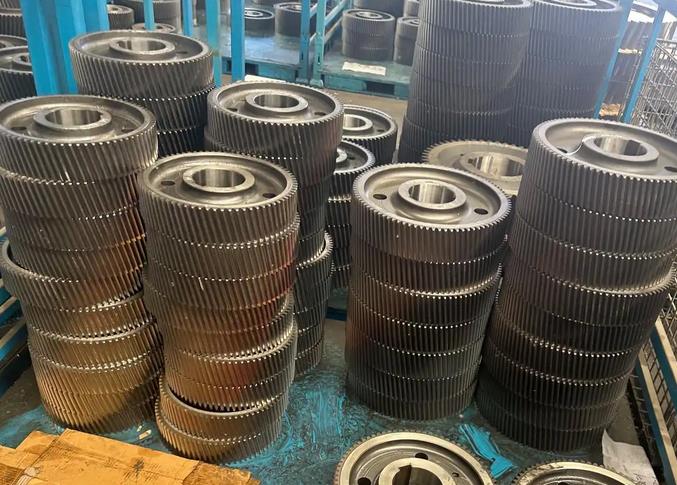
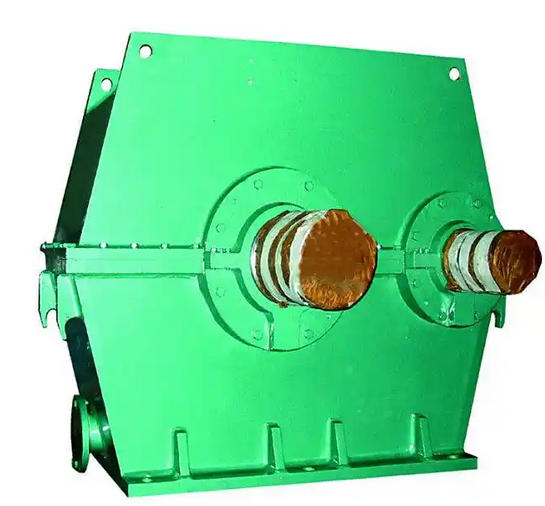
Root Cause 1: Lubricant failure or improper filling. Prolonged lack of lubricant replacement leads to degradation and viscosity reduction, preventing the formation of an effective lubricating film. This results in dry gear friction, generating excessive heat while simultaneously increasing transmission resistance and power loss. Overfilling causes poor internal heat dissipation and excessive pressure, whereas underfilling exacerbates frictional heating. Solution: Replace with fresh, dedicated gear oil and fill to the standard scale.Root Cause 2: Gear and Bearing Wear and Aging. After prolonged use, gears wear down and bearing clearances increase, leading to reduced transmission accuracy and increased operational resistance. This not only causes the machine body to heat up but also results in insufficient power transmission, creating situations where force cannot be effectively applied. Minor wear can be addressed by adjusting clearances and replenishing lubrication, while severe wear requires replacement of the gear and bearing assembly.
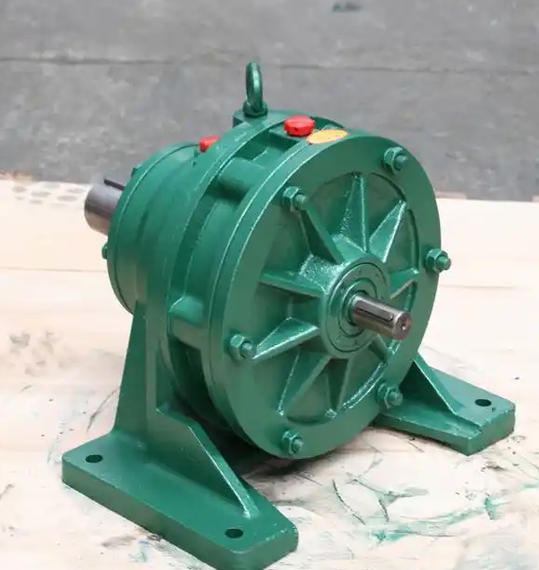
Root Cause 3: Prolonged Overloading. Frequent material jams and excessive feed rates keep the reducer in a continuous overload state, leading to internal stress exceeding limits, rapid temperature rise, and significant transmission efficiency decline. Prolonged overload accelerates component wear and shortens equipment lifespan. Solution: Standardize feed rates, avoid overloading, and reserve appropriate torque margins.
Root Cause 4: Poor heat dissipation conditions. High temperatures in summer, poor ventilation in workshops, and dust accumulation on equipment surfaces can all prevent the gearbox from dissipating heat, leading to continuous heat buildup and rising temperatures. Solutions: Clean equipment dust, install cooling fans, implement water cooling during high-temperature periods, and improve heat dissipation conditions.
By addressing the above issues effectively, the problems of gearbox overheating and insufficient power can be quickly resolved, restoring the equipment's original production capacity and preventing premature aging or scrapping.
Related News