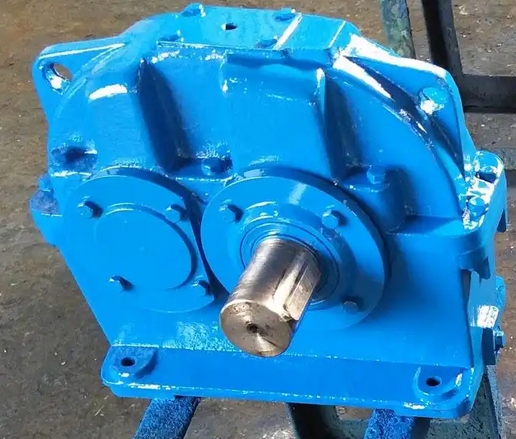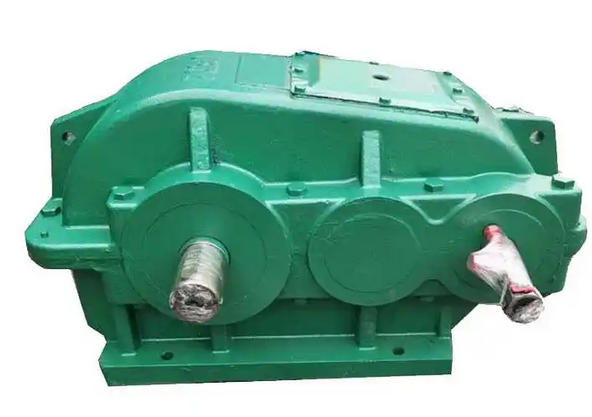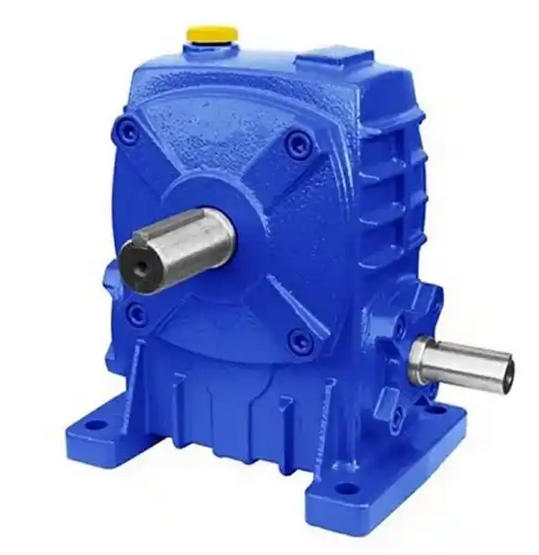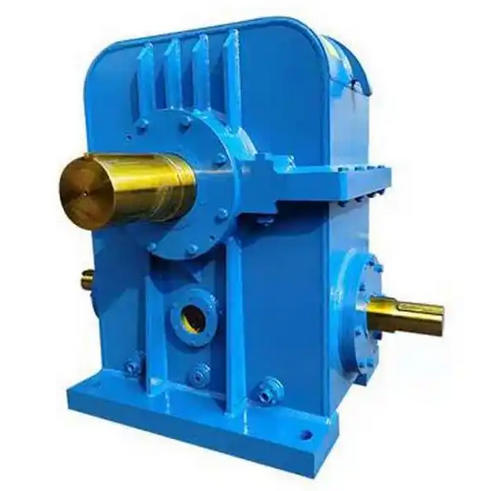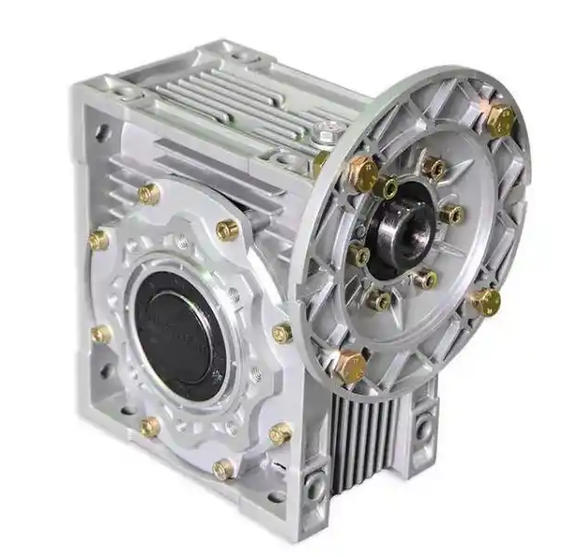

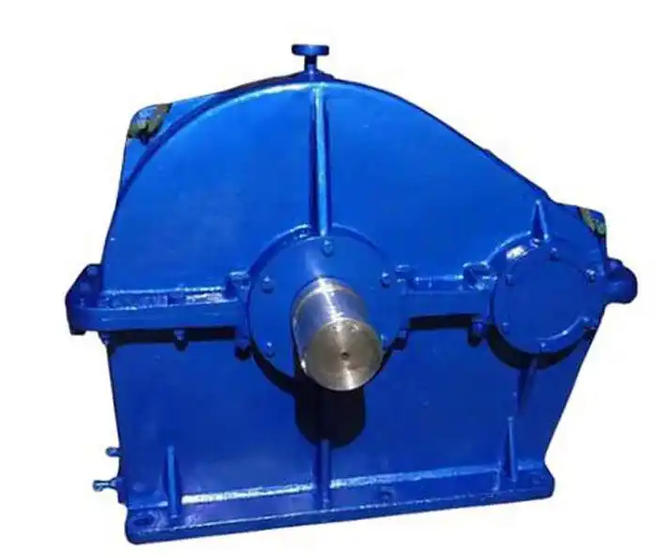
Complete comparison table of old and new models of old reducers, replacing zero step pits
In industrial production scenarios such as chemical, mining, logistics, and building materials, the reducer, as the core component of the transmission system, directly determines the stability of equipment operation and production efficiency. Most enterprises still have a large number of old and outdated reducers in service in their factory areas, which generally suffer from problems such as component shutdowns, low transmission efficiency, oil leakage and abnormal noise, and high failure rates. As major transmission manufacturers update their product lines, older models are gradually being discontinued and delisted, and upgrading and replacing outdated equipment has become a must-have for the operation and maintenance of major factories.Many operation and maintenance personnel encounter the same problem when replacing reducers: they are not clear about the old model corresponding to the new model, blindly purchasing can easily lead to problems such as installation size mismatch, torque mismatch, reduction ratio deviation, motor adaptation failure, etc. This not only wastes procurement costs but also delays production schedule. Today, based on the product parameters of mainstream manufacturers, we have compiled the most comprehensive comparison table for the selection of old and new models of old reducers. At the same time, we will share core replacement techniques to help everyone complete equipment updates at low cost and high efficiency.
1、 The core reason for phasing out and replacing old reducers
1. Component supply interruption: Early ZQ, ZD, X/B old-fashioned cycloidal, old-fashioned R/F/K/S four series reducers, original parts have been completely discontinued, and equipment damage cannot be repaired and can only be replaced as a whole;
2. High energy consumption: Older models often use soft tooth surface technology, which results in fast gear wear and transmission efficiency of only 85% -90%. However, the new hard tooth surface reducer has a transmission efficiency of over 95%, which can significantly reduce electricity costs over long-term use;
3. Safety hazards: Aging reducers are prone to faults such as box cracking, output shaft fracture, seal failure, and oil leakage. Under heavy load conditions, they are highly likely to cause shutdown, equipment damage, and even safety accidents;
4. Limited adaptability: Old equipment cannot adapt to new variable frequency motors and servo motors, which does not meet the requirements of modern automated production line transformation.
2、 General Comparison Table for Selection of Mainstream Old and New Gearboxes
This table covers three mainstream categories: cylindrical gears, cycloidal pinwheels, and four series of helical gears, which are suitable for over 90% of industrial equipment on the market. The parameters are based on installation size, reduction ratio, and output torque, and can be directly replaced without the need for equipment base modification.
3、 Three key points for avoiding pitfalls when replacing a gearbox
1. Prioritize checking core parameters: When replacing, do not only look at the model, but must check the five core parameters of output shaft diameter, center height, installation hole distance, reduction ratio, and rated torque. Only when the parameters are consistent can they be directly exchanged;
2. High end configuration is preferred for upgrading working conditions: If the equipment is under heavy load, high-frequency start stop, and high-temperature dust working conditions for a long time, it is recommended to upgrade the torque specification by one level on the basis of the same model to extend the service life of the equipment;
3. Motor interface matching: The new reducer is divided into direct connection type and coupling type. Before replacement, confirm the original motor power and shaft diameter to avoid the problem of motor assembly failure.
Related News