
Does the inlet oil of the sand washing machine reducer turn milky white? 3 low-cost renovations, no need to change oil for six months
1、 Scientific treatment plan for emulsified oil products1. Mild emulsification: vacuum dehydration treatment
If the gear oil only shows slight whitening and low moisture content, a vacuum oil filter can be used for dehydration. During operation, the oil temperature should be controlled at 45-60 ℃ (maximum not exceeding 65 ℃ to avoid damaging the additives), and cycled for 3-10 hours under a vacuum degree of -0.08-0.095MPa. After dehydration is qualified, the oil will return to clear and transparent, and can continue to be used.
2. Heavy emulsification: direct oil change and cleaning
If the oil has turned completely milky white (with severe water ingress), or is accompanied by a burnt or sour taste and a large amount of sludge, it indicates that the oil has completely deteriorated and cannot be continued to be used. The waste oil must be completely drained, and the system must be flushed with kerosene and surfactant in a cyclic manner until the oil-water content meets the standard before injecting new oil.
2、 Root cause investigation and low-cost renovation suggestions
Simply treating oil products is a "temporary solution", while sand washing machines operate in humid conditions and must undergo waterproof modifications to address the root cause
1. Sealing system upgrade
The water entering the sand washing machine is often due to seal failure. It is recommended to focus on inspecting and upgrading sealing components such as bearing end caps and oil seals. If necessary, replace them with more water-resistant and wear-resistant skeleton oil seals or mechanical seals to physically block water source intrusion.
2. Install a drying device on the breathing valve
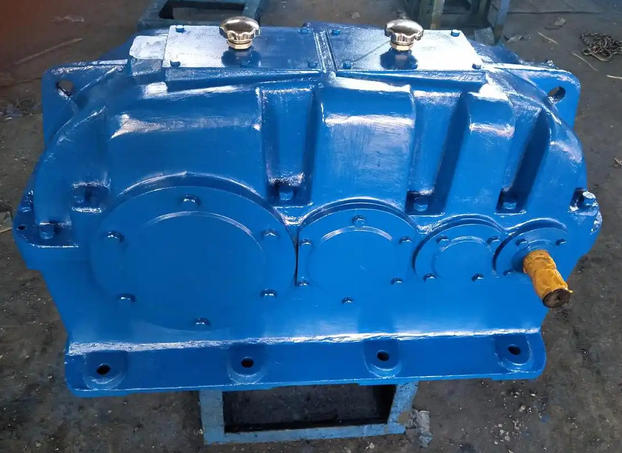
When the equipment is shut down to cool down, the air in the fuel tank will condense into water droplets (condensate) when it cools down. It is recommended to install a dryer at the breathing valve of the gearbox to prevent humid air from being sucked into the interior of the box and forming condensation water.
3. Standardize daily drainage and inspection
Establish a regular drainage system at the bottom drain valve of the gearbox. During daily inspections, if the oil turns white, bubbles, or the oil level rises abnormally, the machine should be stopped immediately to check the water source (such as whether the cooler is perforated and leaking), and the equipment should not be operated with problems.