
What are the common faults of milling machine reducers
Common faults and causes of milling machine reducers are as follows:1、 Fever and high temperature (most frequent)
Lubricating oil issues: lack of oil, aging and deterioration of grease, high/low oil level, mixed oil types, lubrication failure, friction and temperature rise; Frequent start stop and intermittent heavy load of milling machines can easily exacerbate overheating.
Assembly deviation: The coaxiality of gears and bearings exceeds the tolerance, the pre tightening force of bearings is too large, the soft feet and fixing bolts of the box are loose, and additional loads during operation generate heat.
Overload and stuttering: The milling machine has a large cutting amount, material jamming and overload, and the gearbox operates under overload for a long time.
2、 Abnormal noise
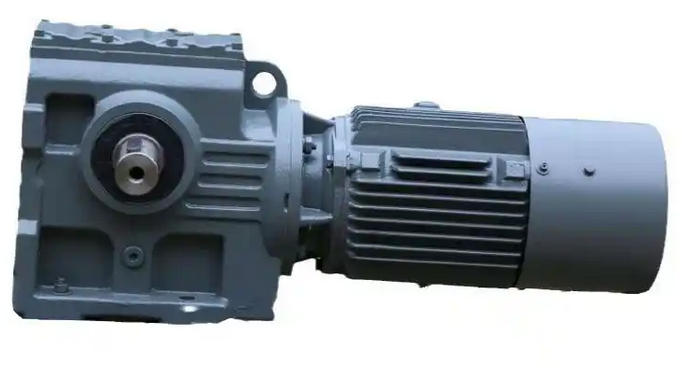
Gear malfunction: tooth surface wear, pitting, tooth breakage, excessive/insufficient meshing clearance, periodic rattling noise during operation; The lack of oil and dry grinding produce a sharp whistling sound.
Bearing damage: The bearing ball is shattered, the cage is damaged, and there is a fine rustling sound or dull impact sound.
Foreign objects enter: Iron filings and cutting dust mix into the box, causing irregular noise due to gear jamming.
3、 Oil leakage and seepage
Aging of seals: wear and hardening of the shaft end skeleton oil seal, cracking, failure of the end cover O-ring, and oil leakage from the worn shaft neck groove.
Box defects: Damaged joint gasket, uneven tightness of fastening screws, sand holes and cracks in the box.
Ventilation plug blockage: When the oil temperature rises, the pressure inside the chamber suddenly increases, causing the seal to break and leak oil (milling machine dust is prone to clogging the ventilation cap).
4、 Output is weak, slipping, and spinning
Serious gear wear and keyway rolling: input/output shaft flat key breakage, power transmission unable, idle without cutting.
Friction plate gearbox: Friction plate wear, weak springs, and slipping during milling machine shifting and cutting.
Bearing locking and jamming: Local jamming causes insufficient load power.
5、 Excessive vibration
Gear eccentricity, gear tooth breakage, and dynamic balance failure.
Loose base fixation, uneven connection surface between milling machine bed and reducer, cutting resonance.
The input motor is not concentric, and the coupling gasket is damaged.