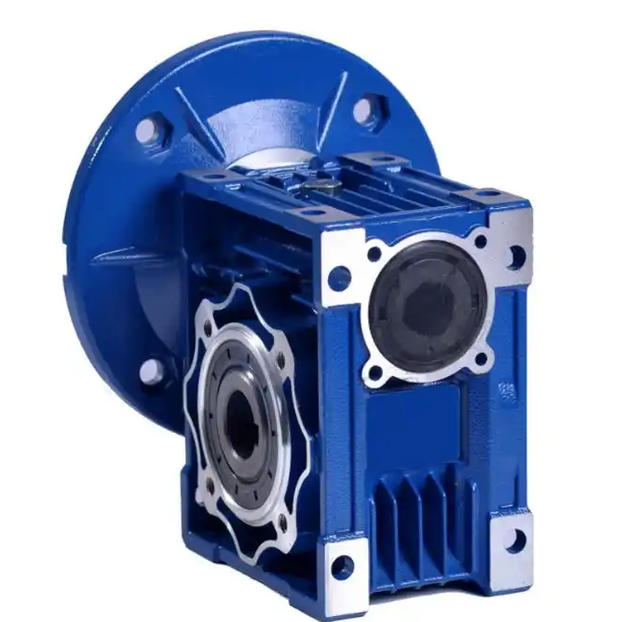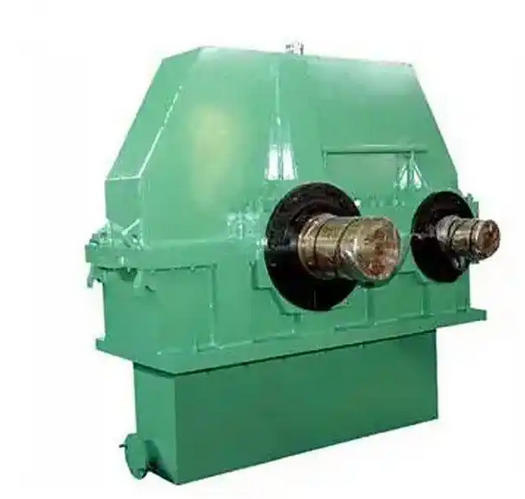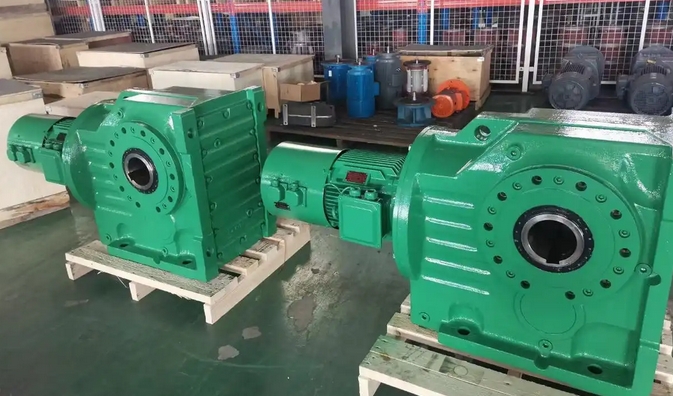


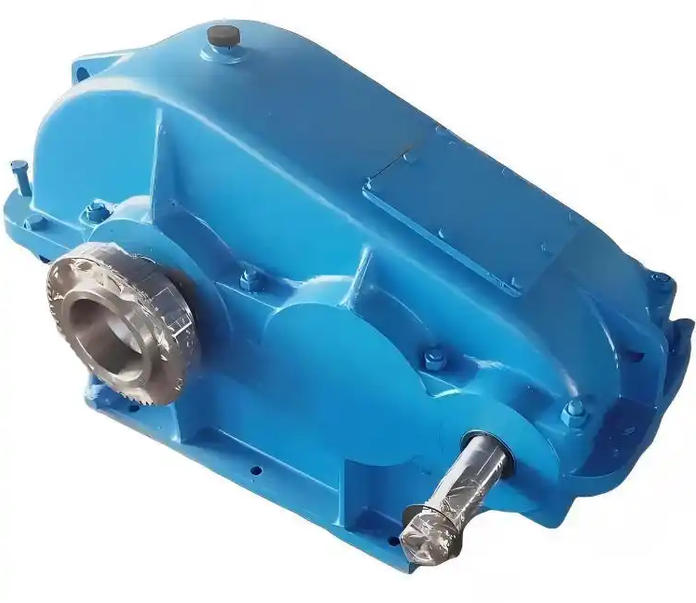
How to determine if the seal of JZQ250-10.35 reducer has failed
1、 Visual appearance inspection (the most direct judgment)Shaft extension end seal: Wipe the joint between the input/output shaft and the end cover, and recheck after running for 1 hour. If there is oil film or sludge accumulation again, or if there are ≥ 3 drops of oil dripping per hour, it indicates that the oil seal lip has worn out and failed.
Sealing of the joint surface of the box: If there are continuous oil stains or oil leakage or sludge accumulation in the gaps between the upper and lower box flanges and bearing end caps, and the bolts are still leaking after loosening, it indicates that the joint surface sealing gasket has aged and failed.
Auxiliary sealing point: Continuous oil leakage around the vent cap and oil leakage at the drain plug after removing looseness. The O-ring/copper gasket at the corresponding position has lost its sealing ability.
Seal body status: The exposed sealing edge feels hard and brittle, with a mesh like crack on the surface, no rebound after pressing, and the rubber material has aged and hardened, completely losing its sealing compensation ability.
2、 Operational status verification (indirect evidence)
The local temperature of the shaft seal is significantly higher than the ambient temperature, and there is an abnormal dry friction temperature rise, indicating abnormal adhesion between the sealing lip and the shaft surface, and early signs of failure have appeared.
Sharp whistling and vibration speed increase from normal ≤ 2.8mm/s to > 5mm/s during equipment operation, after ruling out gear and bearing faults, can prove that seal failure caused poor lubrication.
3、 Abnormal oil analysis (implicit failure determination)
The normal monthly gear oil replenishment amount is ≤ 5% of the total oil amount. If the oil level is below the minimum mark within 1-2 weeks and there is no obvious leakage, it indicates that the internal seal is damaged and the oil has penetrated into the internal gaps.
The oil sample turns black and turbid, with metal particles/dust settling at the bottom, or the oil appears as a milky white emulsion, indicating that the seal has failed and external impurities and moisture have entered the box.
4、 Professional tools for precise detection
Add a specialized fluorescent agent to the lubricating oil, run under load for 30 minutes, and then irradiate with ultraviolet light. The leakage location will show a clear fluorescent band, which can accurately locate hidden micro leakage points.
Insert an industrial endoscope through the observation hole into the box to directly check the fitting status of the internal sealing components, and confirm whether the internal sealing has failed without disassembling the machine.
Related News