
How often does the K series bevel gear reducer need to check the oil level
1、 Standard inspection cycle for different scenariosNormal steady working condition: a normal working condition with continuous operation and stable load. Checking the oil level once a month is sufficient, suitable for most general production scenarios.
Adverse special working conditions: high temperature, heavy load, high dust, humid or impact load scenarios, check once every 2 weeks; During the rainy season, it is necessary to increase the frequency of lubrication to prevent water ingress and emulsification of lubricating oil.
New machine running in period: During the first 300 hours of running in period of the new equipment, check it every 100-150 hours of operation to promptly identify leaks and ensure initial lubrication safety.
High load large-scale models: K157 and above large-sized heavy-duty reducers have higher oil consumption and leakage risks. The oil level can be checked every 100 hours of operation.
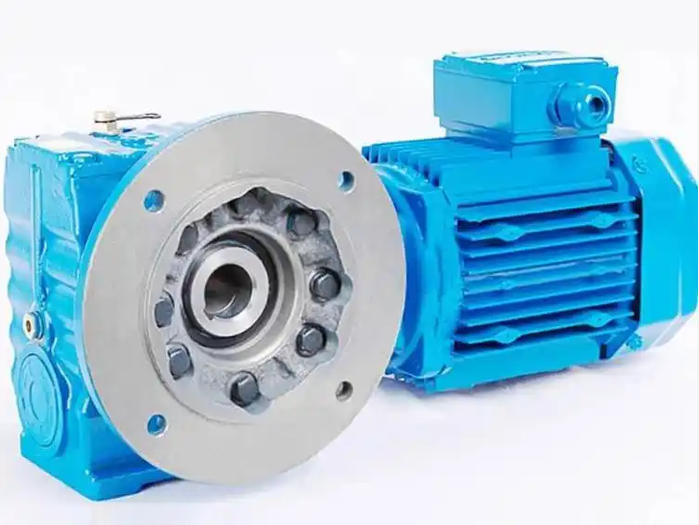
2、 Check the core requirements for operation
1. The equipment must be shut down for more than 30 minutes and the oil temperature must return to ambient temperature before checking, allowing the splashed lubricating oil to completely flow back to the box to avoid thermal expansion causing the oil level reading to be falsely high.
2. Clean the oil stains on the surface of the oil window before inspection, confirm that the installation levelness error of the reducer is ≤ 0.1mm/m, and prevent the equipment from tilting and causing inaccurate oil level display.
3. The oil level should be stable within the range of 1/2~2/3 between the upper and lower marks of the oil window. If it is below the lower warning line, oil must be replenished immediately. If it is above the upper limit, excess oil should be drained to avoid overheating due to oil agitation.
3、 Supplementary practical tips
During daily inspections, the sealing point at the shaft extension end can be observed synchronously. If there are signs of oil leakage, a temporary oil level check should be added to avoid oil seal failure causing continuous loss of oil and resulting in oil shortage faults.
Related News