
Choosing Proper Reducer for Carton Forming Machine 1.5kW Horizontal Gearbox Fit‑up Scheme
1. Confirm Core Selection Parameters
Output torque is the decisive factor to judge if a reducer can handle equipment loads. You may adopt the standard industry formula for estimation: Torque T = 9550 × Motor Power(kW) ÷ Output Speed(rpm). Carton forming machines produce shock loads at startup, so multiply calculated theoretical torque by a safety factor ranging from 1.2‑2.0 to get practical torque for model picking.
Gear ratio equals motor rated speed divided by target output speed. Take a 4‑pole motor running at 1450 rpm as an example. If the machine needs 145 rpm working speed, gear ratio around 10 will fit well.
You also need to analyze real‑world load profiles. For this packaging‑grade machinery, check requirements for positioning precision, frequent forward‑reverse cycling and duty cycle, such as non‑stop 24‑hour running mode. All these factors affect your final reducer choice.
2. Suggested Horizontal Reducer Options for 1.5kW Application
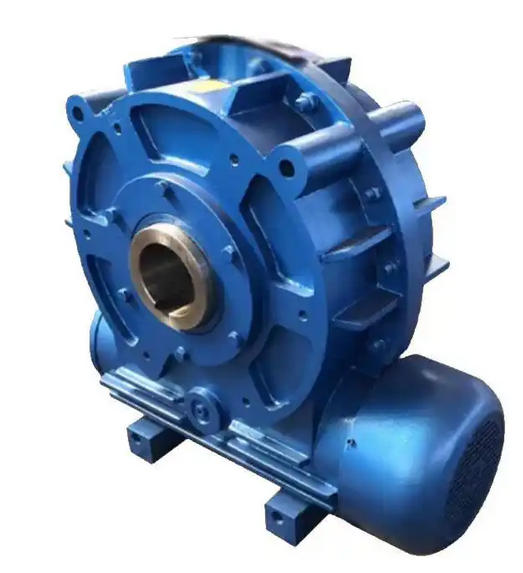
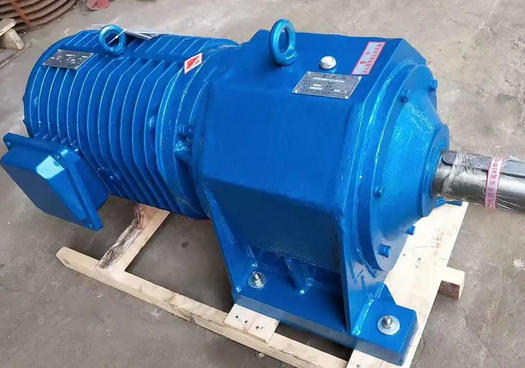
Helical Hardened Gear Reducer
It delivers smooth transmission, low noise and high load‑bearing capacity. Proven reliable and cost‑effective, helical‑gear structure brings higher contact ratio, making it ideal for packaging equipment running continuously with stable power transfer.
Reference model: KF87‑Y1.5KW‑4P‑M1. KF87 stands for frame size; Y1.5KW refers to matched 1.5kW motor; 4P means 4‑pole configuration; M1 indicates horizontal mounting.
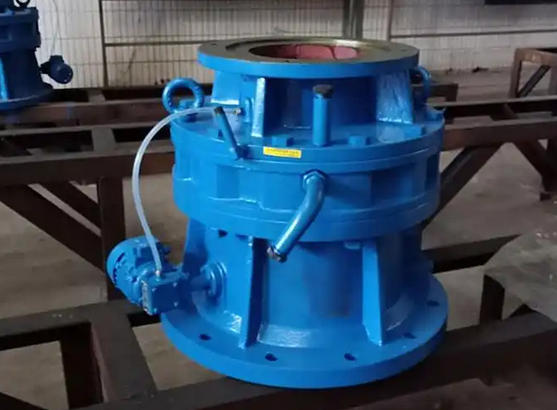
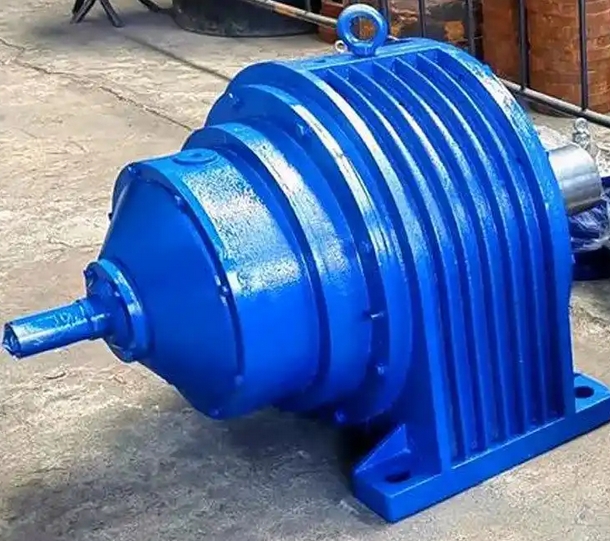
Cycloidal Pinwheel Reducer
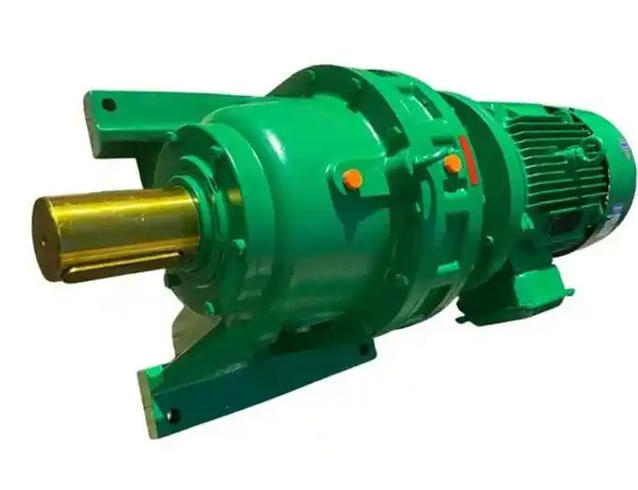
Multiple teeth engage simultaneously during operation, granting outstanding shock resistance and overload tolerance. Compact footprint and quiet performance make it suitable for packaging machines with limited installation space.
Reference model: XWD series like XWD3‑17‑1.5KW. This horizontal‑mount series provides single‑stage gear ratios from 9 to 87 for flexible configuration according to field demands.
3. Key Points for Horizontal Installation & Matching
Verify mounting dimensions thoroughly. Make sure input‑end dimensions perfectly fit the mating motor. Double‑check output shaft diameter, flange specifications and shaft extension length to prevent installation failures caused by insufficient on‑site clearance.
Keep the base level for horizontal assembly to guarantee good coaxiality between motor and reducer. Misalignment will trigger abnormal gear wear, unusual noise and excessive heat generation.
Pay attention to lubrication and sealing conditions. Replace gear oil after initial running of 72‑300 hours. Afterwards perform oil change every 2000‑2500 operating hours for routine maintenance. In dusty or humid workshops, inspect gaskets and oil seals regularly to block dust and moisture from entering the gearbox.
Related News