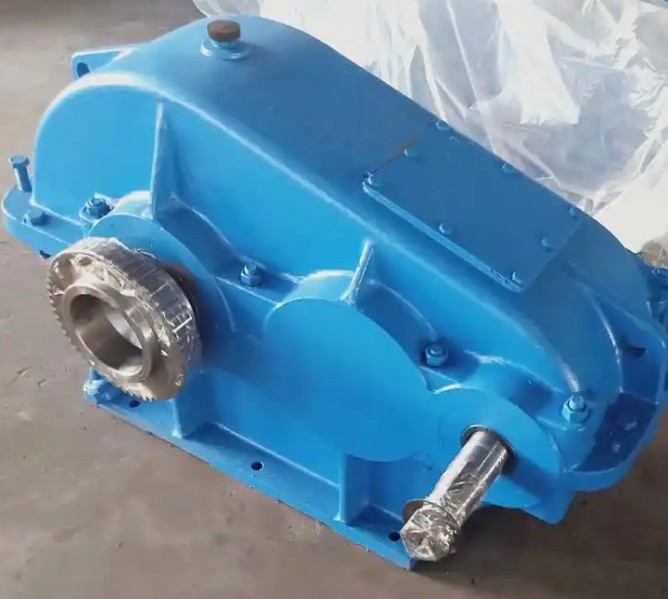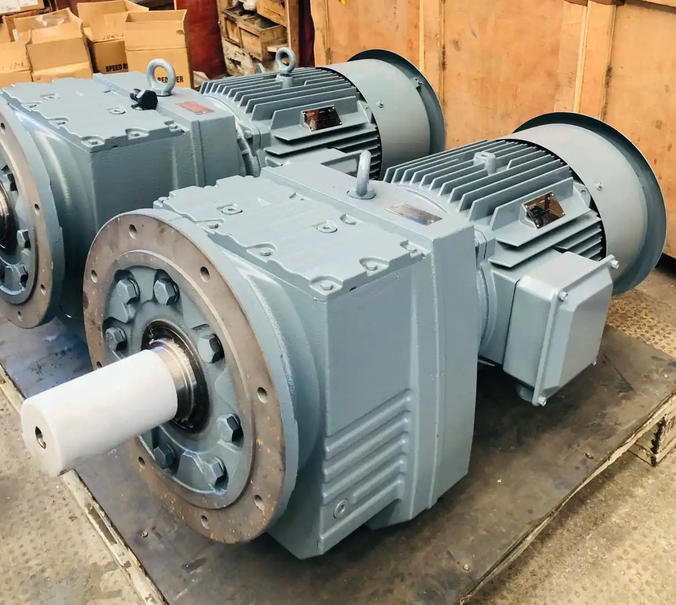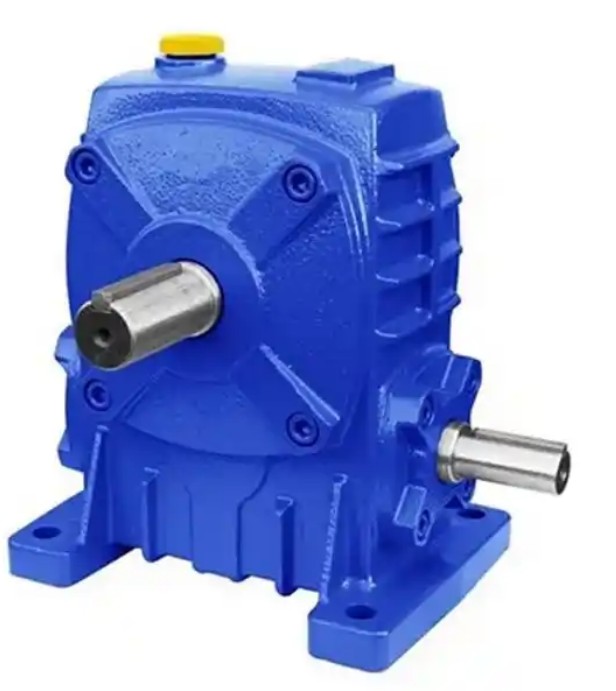

What are the common challenges in the structural design of reducers
Common challenges in the design of gearbox structures include axial force control, thermal deformation management, balancing load-bearing capacity and volume, high assembly accuracy requirements, and lubrication and sealing reliability. These challenges directly affect the stability, lifespan, and operational efficiency of the equipment.1. Difficulties in axial force control
Under high-speed operating conditions, helical gear reducers generate significant axial forces due to the helix angle, resulting in:
(1) The bearing load increases, requiring the use of angular contact or tapered roller bearings and the application of preload force;
(2) The risk of axial movement increases, affecting the precision positioning accuracy;
(3) The accumulation of frictional heat accelerates, shortening the life of lubricating grease and bearings;
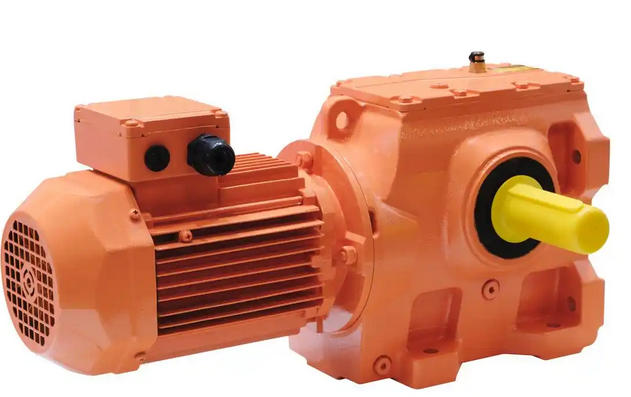
(4) The transmission of axial force to the servo motor end may cause early failure of the motor bearings.
To solve this problem, some manufacturers adopt a heterogeneous design of "high-speed straight teeth+low-speed helical teeth", using spur gears in the input stage to eliminate axial force sources and improve system stability.
2. Thermal deformation and temperature rise control
Friction generates severe heat during high-speed operation, and poor heat dissipation can lead to:
(1) The increase in oil temperature leads to a decrease in lubrication performance and accelerates component wear;
(2) Uneven thermal expansion between the casing and gears can cause misalignment, increased noise, and even jamming;
(3) Long term high temperature reduces material strength and fatigue life.
The solution includes optimizing the heat dissipation structure of the box (such as adding air guide fins), using high-temperature synthetic lubricants (such as Flender HT oil), etc.
3. The contradiction between load-bearing capacity and structural compactness
(1) The high load-bearing demand drives an increase in gear module, tooth width, and bearing size, but due to limited installation space, a balance must be struck between volume and strength;
(2) Although RV reducers have strong load-bearing capacity and high precision, they suffer from problems such as large volume and high cost due to their complex structure and numerous accessory components;
(3) The optimization direction is to achieve weight reduction and efficiency improvement through material upgrades (such as carburizing and quenching alloy steel) and structural lightweighting (such as modular design and removal of redundant wall thickness).
4. High precision requirements for manufacturing and assembly
(1) Unreasonable design of gear meshing parameters (module, number of teeth, pressure angle, modification) can lead to stress concentration, unstable transmission, and high noise;
(2) If the box is not annealed or aged, residual internal stress may occur, causing deformation during operation, resulting in leakage or meshing bias load;
(3) During assembly, it is necessary to strictly control the axial dimension chain, bearing clearance, and gear phase, otherwise early failure may occur.
5. Lubrication and sealing reliability
(1) Lack of ventilation holes or blockages can cause an increase in internal pressure, forcing lubricating oil to leak through gaps;
(2) Thin inspection hole cover plates and uneven joint surfaces can also cause oil leakage;
(3) Efficient sealing design (such as labyrinth seal+oil seal combination) and pressure balancing device (such as vent cap) are key guarantees.
Related News