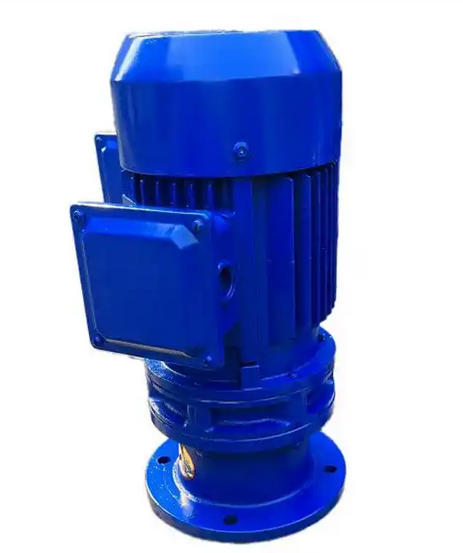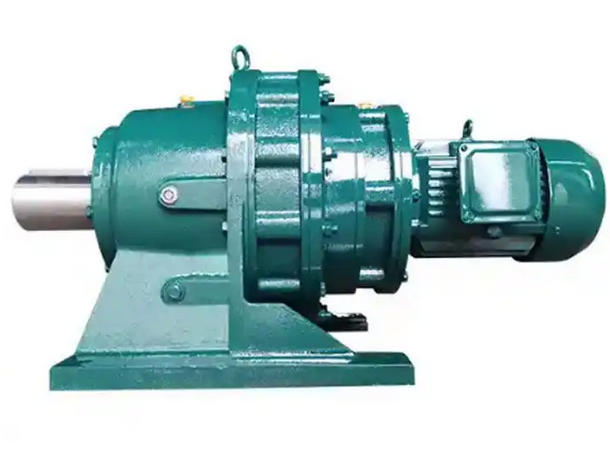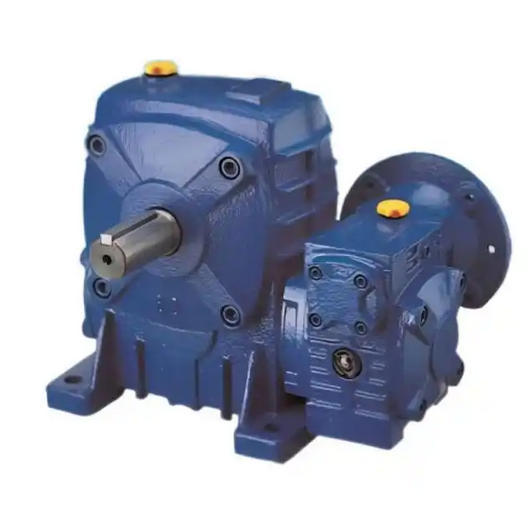

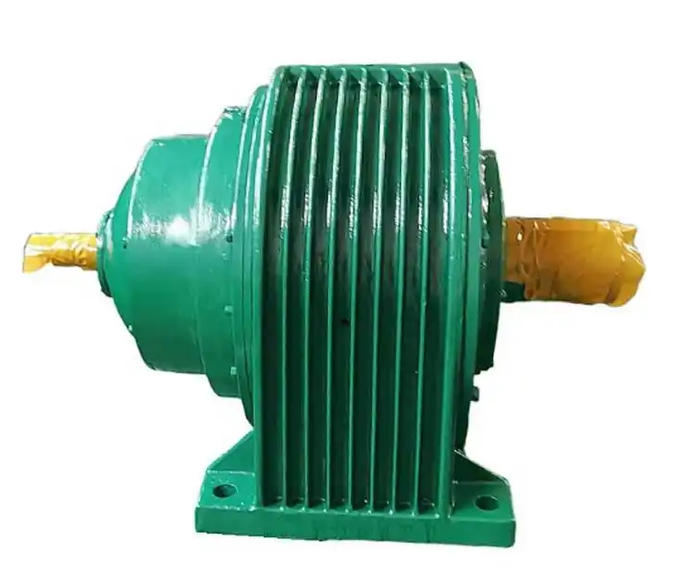
NGW42 planetary gear reducer 35.5 7.5KW suitable for low temperature working conditions
The low-temperature working range of NGW42-35.5-7.5KW planetary gear reducers relies on optimized base configurations, material selection and lubrication solutions. There is a clear gap in applicable temperature limits between standard unmodified units and custom low-temperature reinforced versions, which can be categorized into three operating scenarios as below:
- Standard non-modified reducer: mild low-temperature conditions of -10 ℃ to 5 ℃ The standard NGW42-35.5-7.5KW planetary reducer adopts 20CrMnTi carburized steel for core parts and grey cast iron housing. It is factory-filled with mineral gear oil, suitable only for mild low-temperature environments down to -10 ℃. Within this temperature band, materials retain basic toughness. Mineral oil viscosity rises yet still maintains partial fluidity, allowing short-time operation after no-load preheating. It is critical to regulate startup procedures under these conditions. Full-load direct startup is forbidden, and continuous operation time must be limited. Otherwise, insufficient lubrication and accelerated gear meshing wear will occur. When ambient temperature drops below -10 ℃, standard reducers face multiple risks: gears and bearings suffer embrittlement, oil seals stiffen and lose sealing capacity, and lubricant may turn semi-solid. This will lead to startup blockage or brittle fracture of components. Operation below -10 ℃ is not advised.
- Basic low-temperature upgraded reducer: moderate low-temperature conditions of -20 ℃ to -10 ℃ Standard reducers with basic low-temperature upgrades can work reliably in moderate low-temperature environments from -20 ℃ to -10 ℃. Three major upgrades are implemented: First, core transmission parts are switched to 20CrNiMoA low-temperature alloy steel, and the housing is replaced with QT450-10 ductile iron to enhance low-temperature impact toughness. Second, mineral gear oil is substituted with PAO synthetic low-temperature gear oil with a pour point of -30 ℃ to guarantee oil fluidity in cold environments. Third, standard skeleton oil seals are upgraded to low-temperature fluororubber seals to prevent seal hardening and oil leakage.
This operating condition is typical for non-extreme outdoor sites and cold workshops in northern regions during winter. An auxiliary preheating system is mandatory. Operators need to heat the gearbox casing above 5 ℃ via electric heating plates before startup, then apply load slowly and incrementally. This method effectively prevents component damage caused by cold start shock and supports 8–10 hours of daily continuous operation.
Related News